The wider collection
Work index.
Projects across stories, systems, places, and objects. A collection of questions followed through.
Selected stories
Other work
Open a project to explore
Facade Panelization
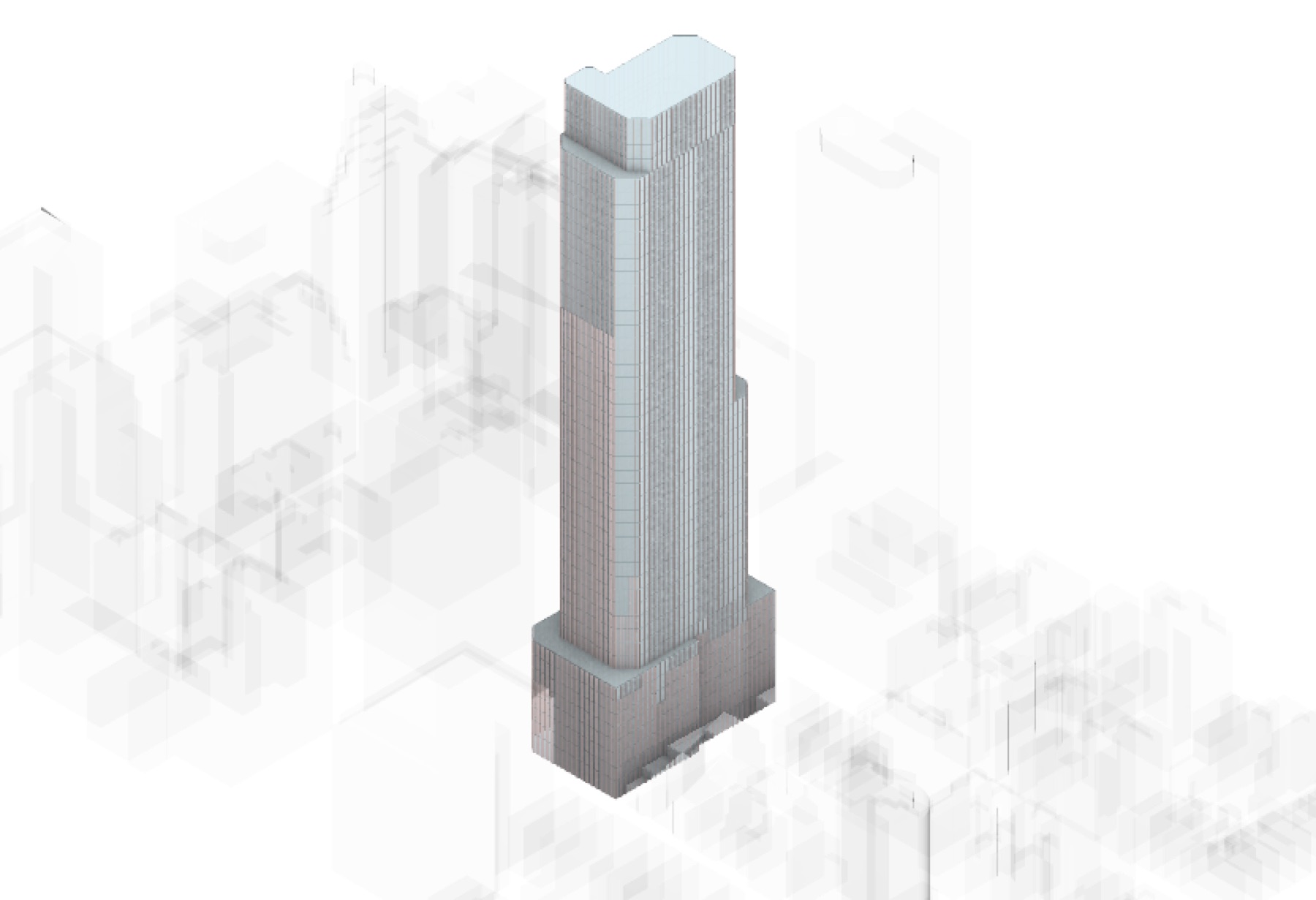
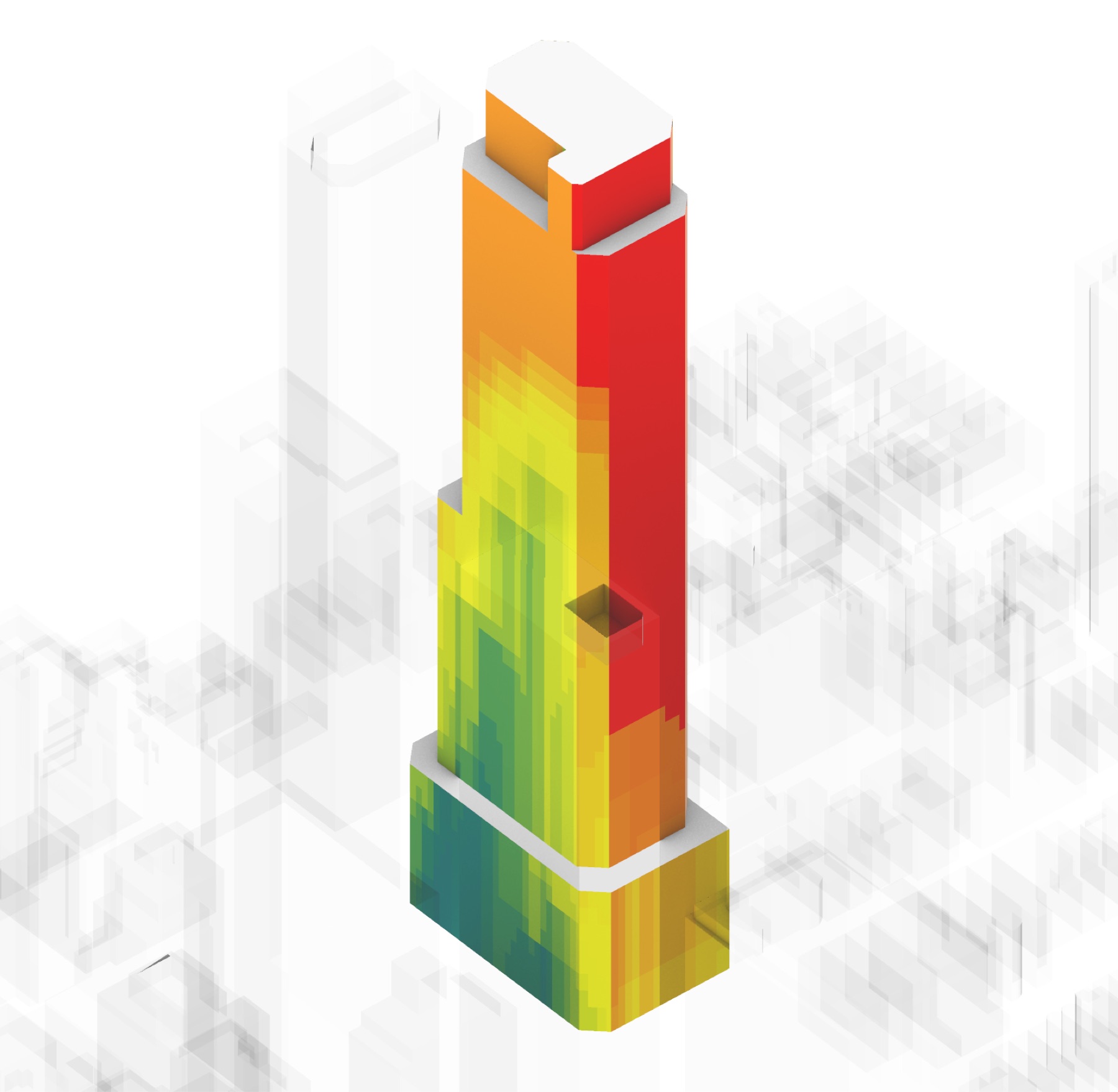
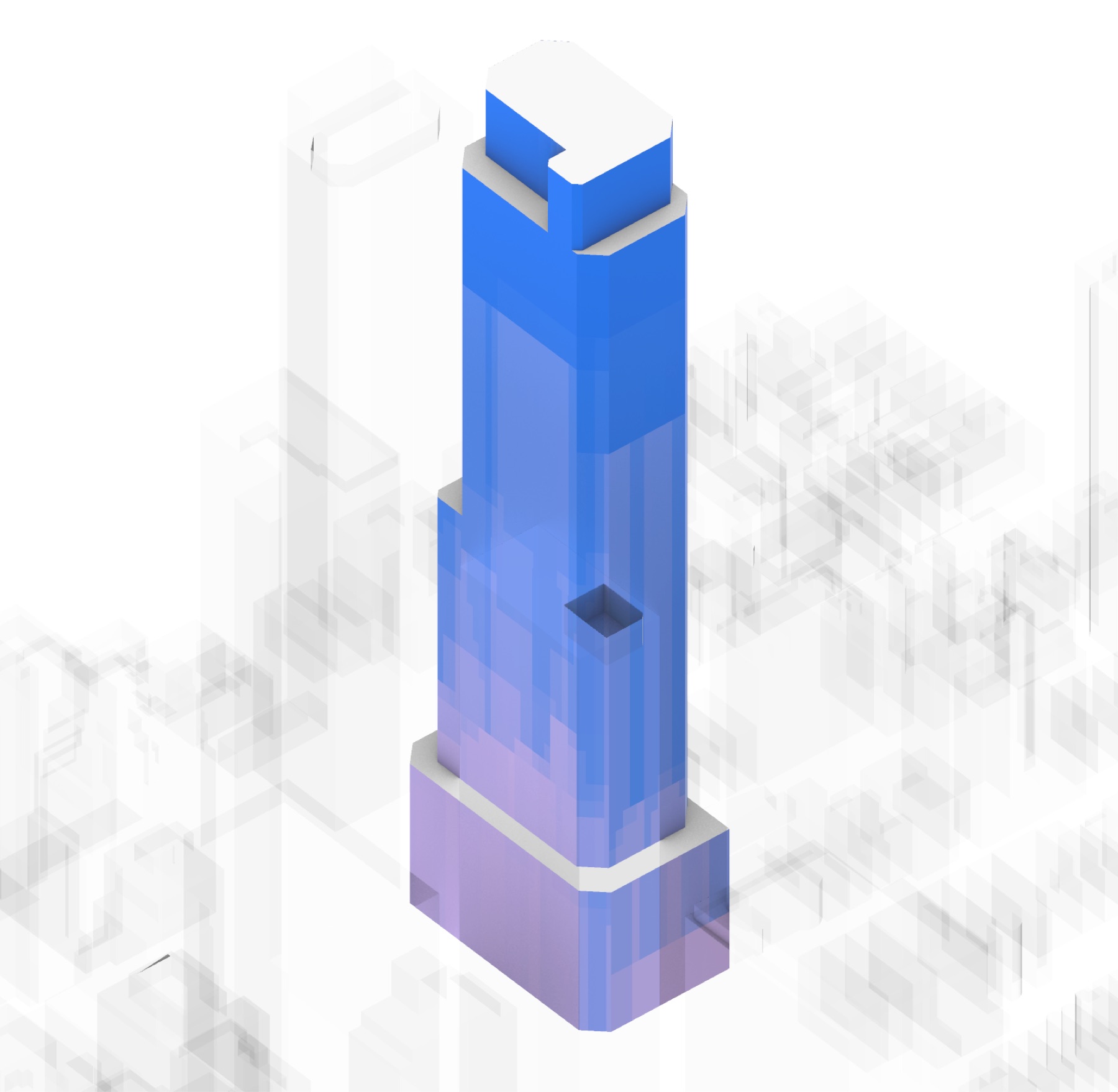
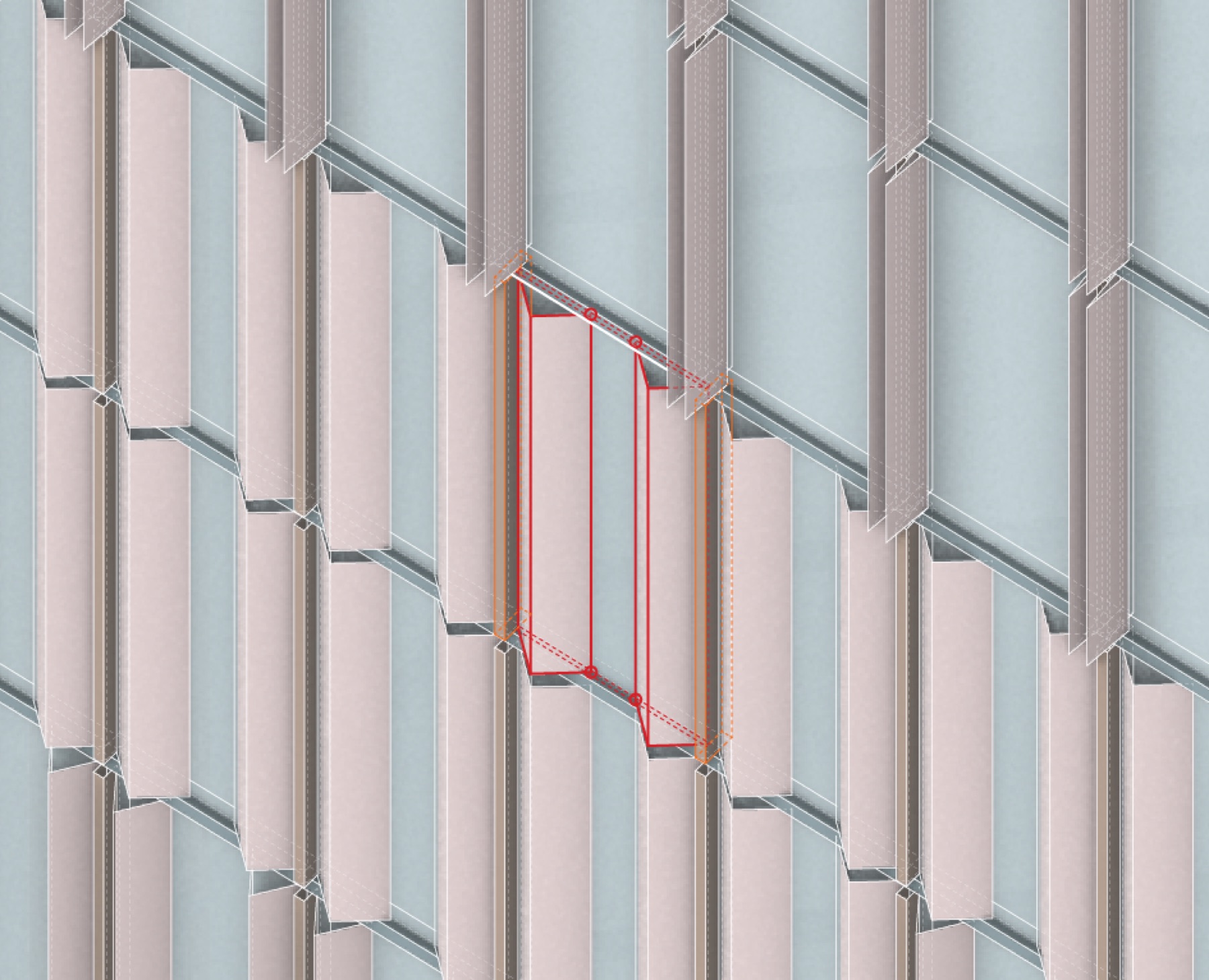
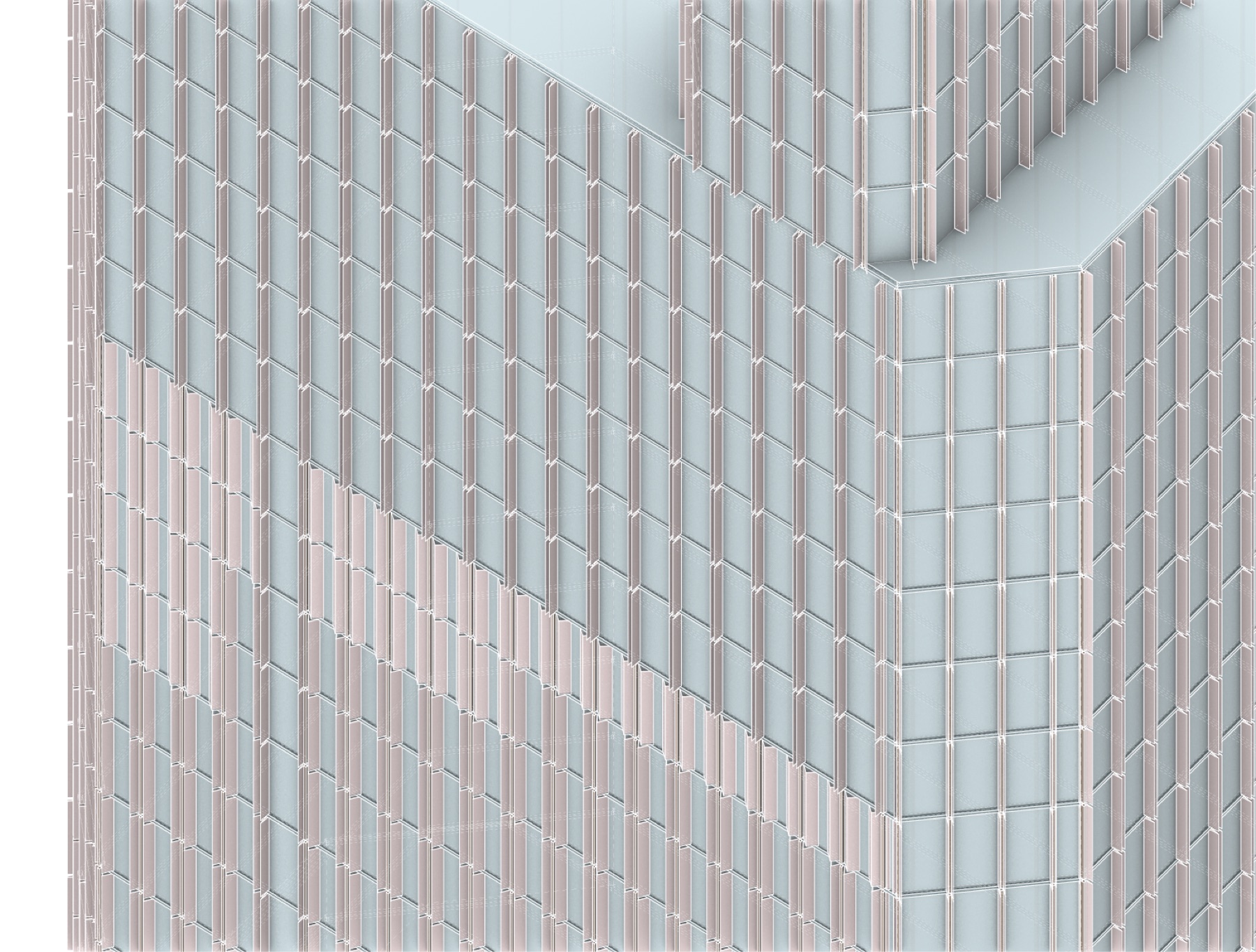
This project builds a modular, data-driven facade system that translates environmental analysis directly into panel behavior. Rather than treating performance as a separate layer, daylight and view become active forces in shaping the facade's expression. The system responds gradually across the building, recognizing shifts in orientation, height, and experience.
The moveable panel system translates these patterns into subtle shifts in openness while maintaining a simple and repeatable construction logic. Standardized panel dimensions and consistent connection details support efficient fabrication and on-site assembly.
The Grasshopper definition is organized into four main sections: Input, Panelization, Analysis, and Facade Design Modeling. Floor level indicators divide the building into horizontal strips. Daylight hours serve as the primary driver of the facade logic, while high-quality views are prioritized through a user-defined threshold that triggers wider panel openings.
This project builds a modular, data-driven facade system that translates environmental analysis directly into panel behavior. Rather than treating performance as a separate layer, daylight and view become active forces in shaping the facade's expression.
The Grasshopper definition is organized into four main sections: Input, Panelization, Analysis, and Facade Design Modeling. Daylight hours serve as the primary driver of the facade logic, while high-quality views are prioritized through a user-defined threshold that triggers wider panel openings.

Project notes
- Type: Computational Parametric Facade Workflow
- Focus: Fabrication-ready panel logic and analysis mapping
- Workflow: Grasshopper drivers linked to BIM documentation
Tools & methods
- Rhino & Grasshopper
- Facade Optimization
- Data-Driven Prototyping
Terracurve Tower
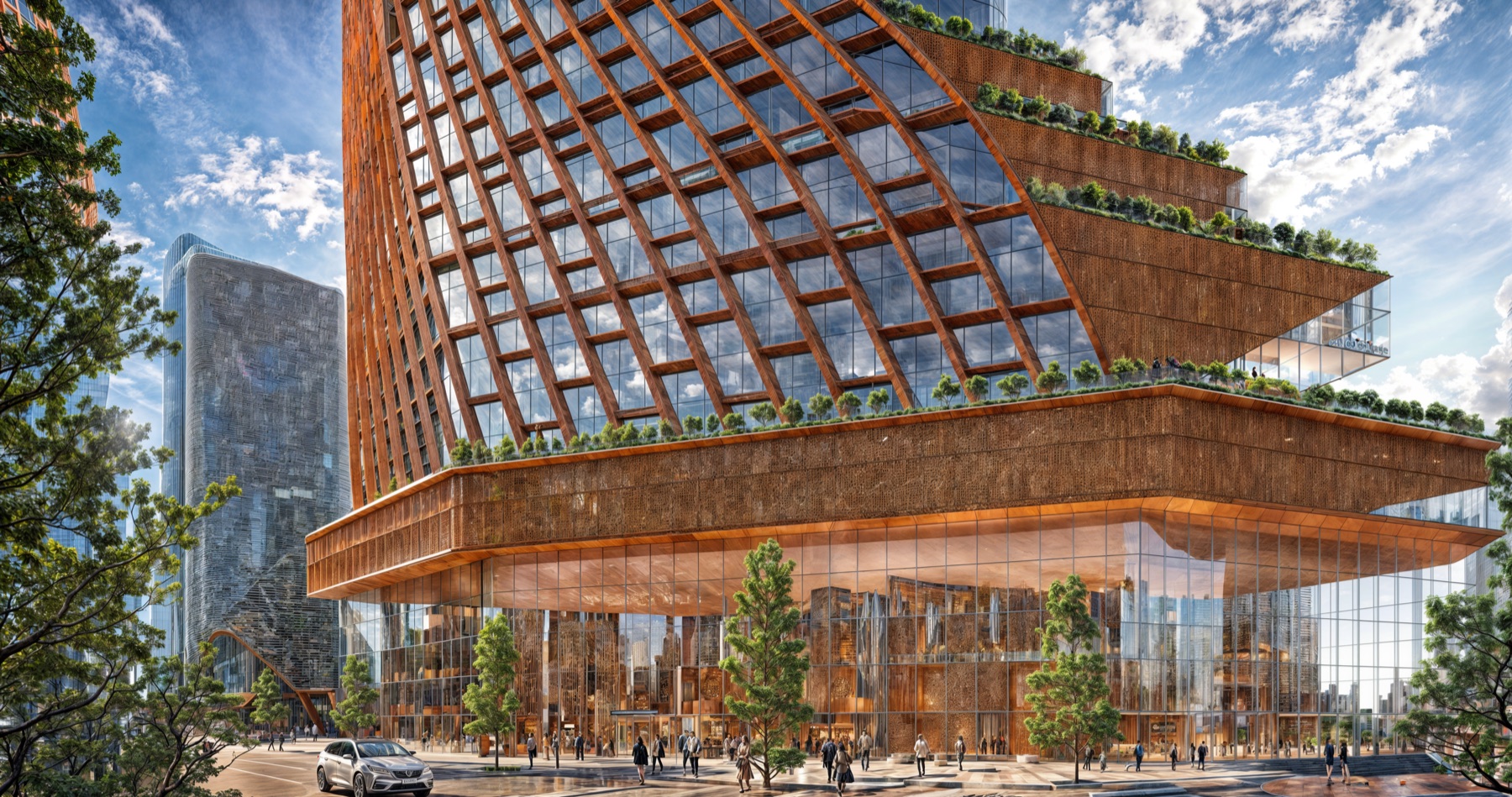
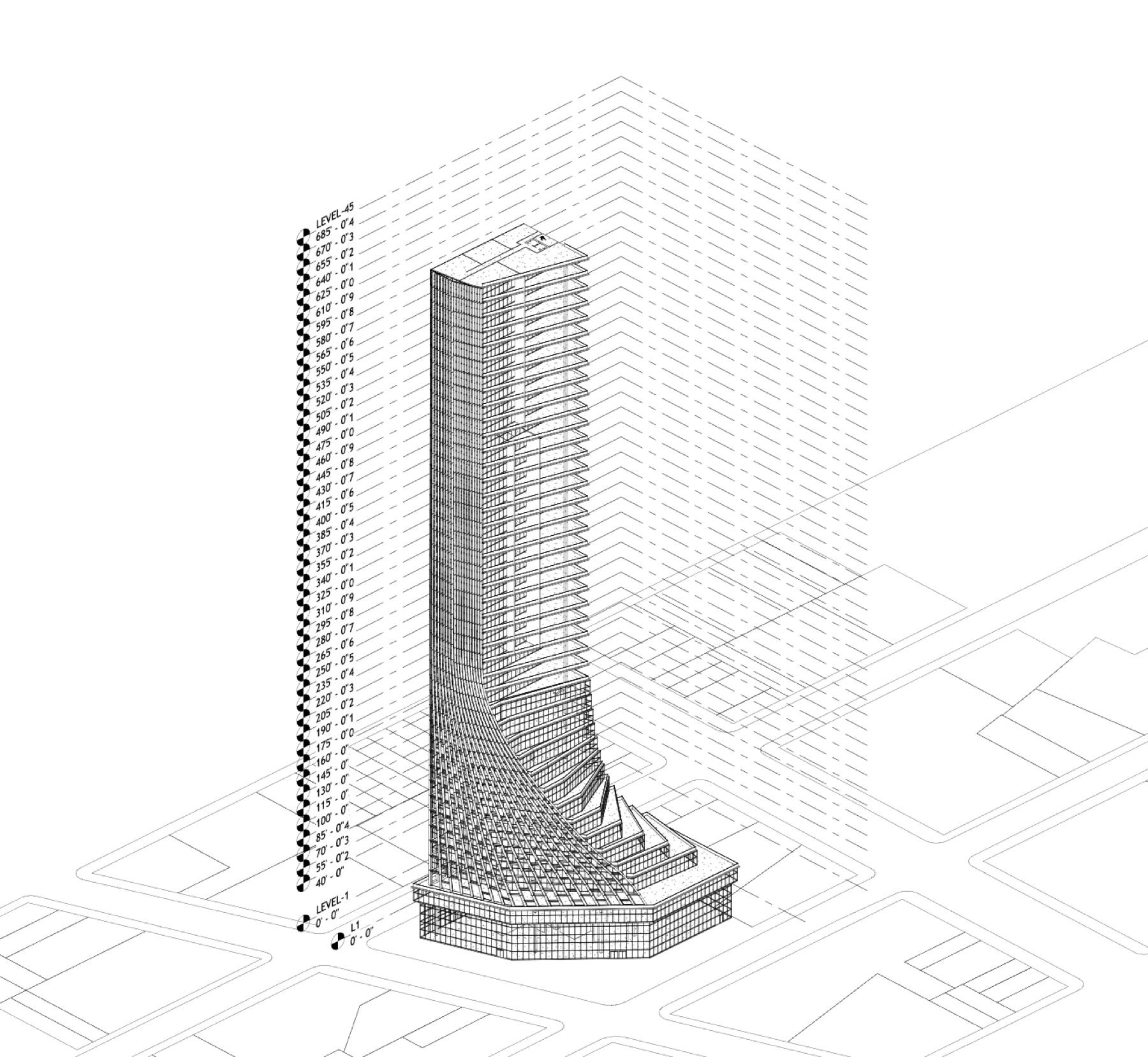
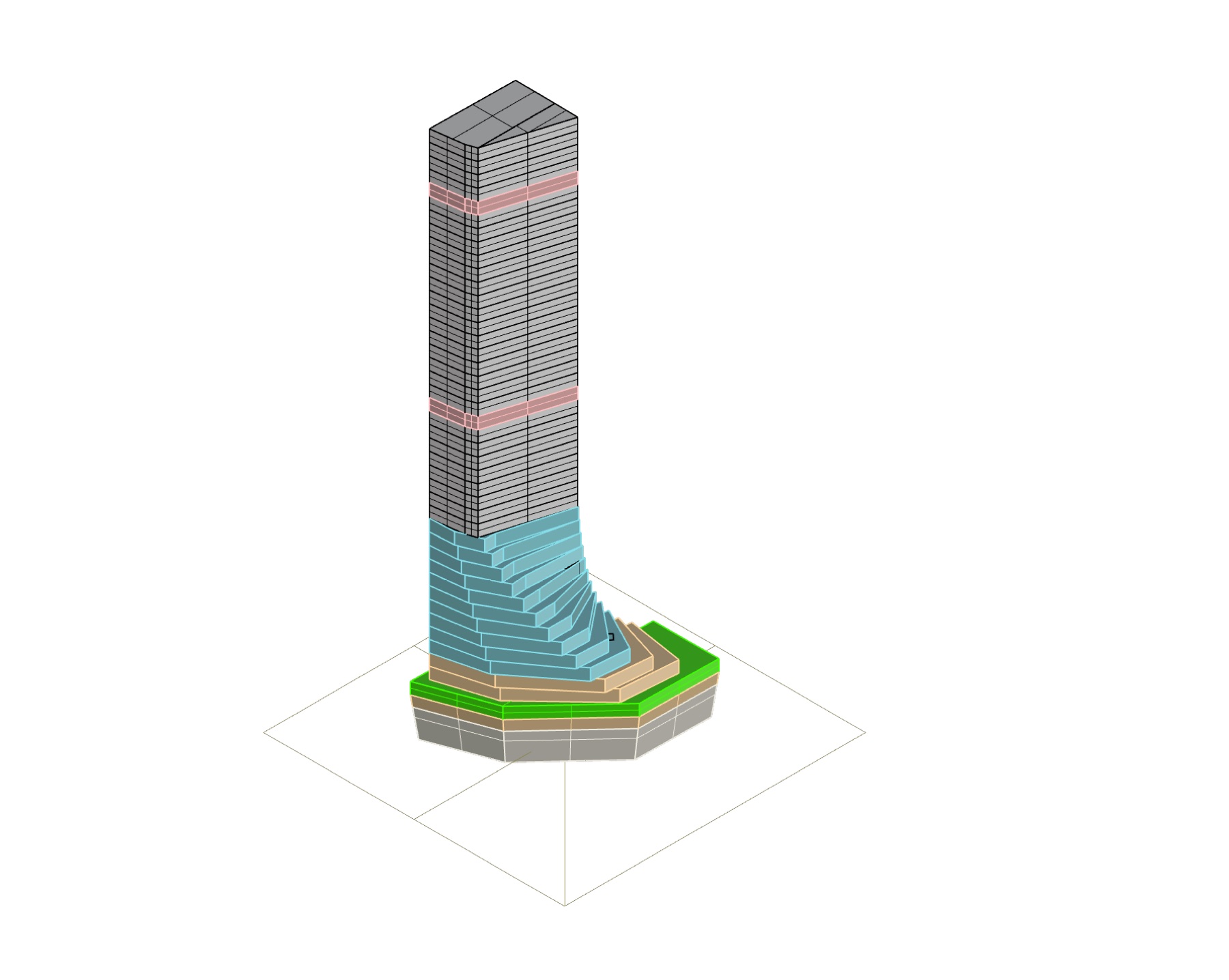
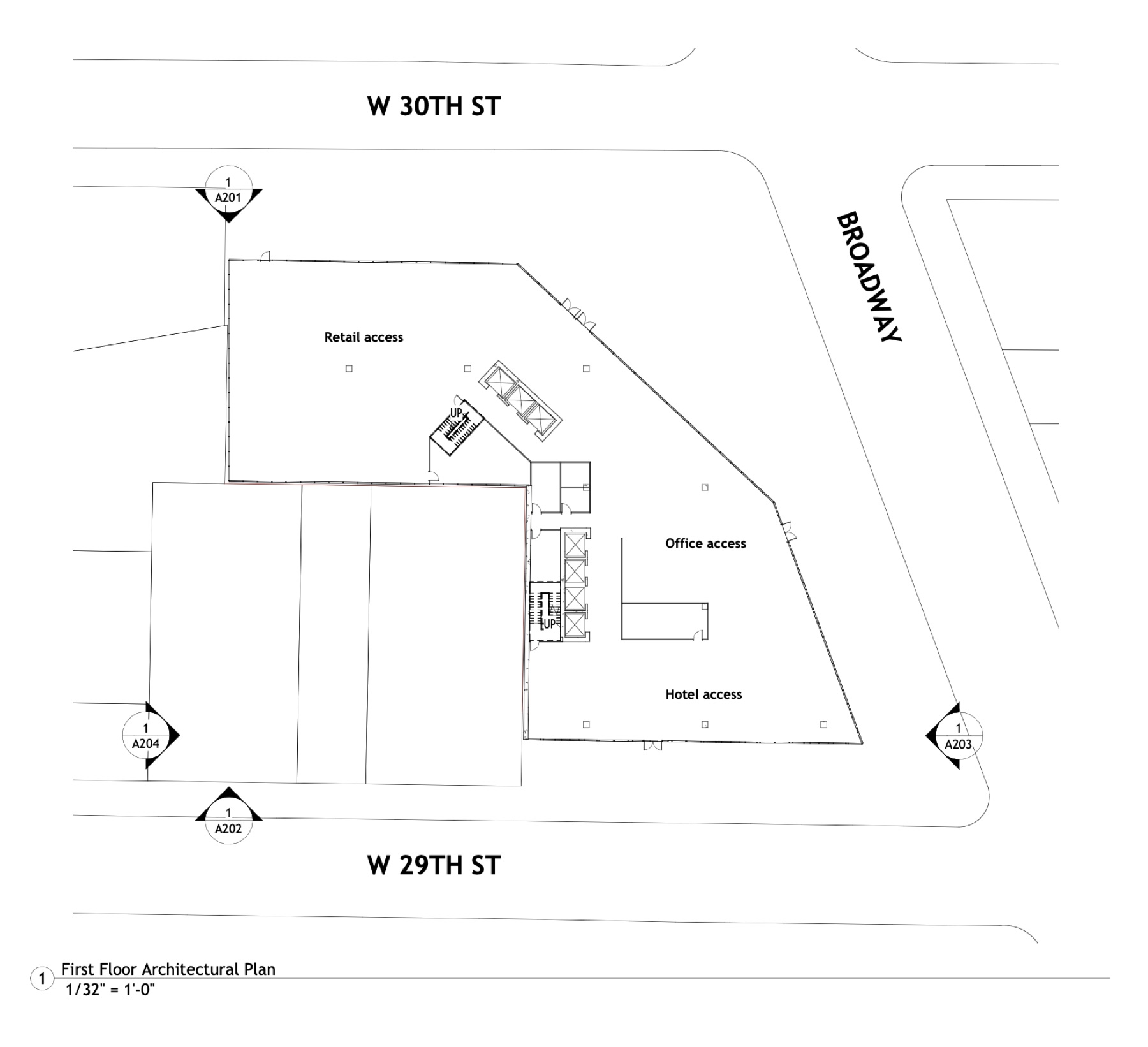
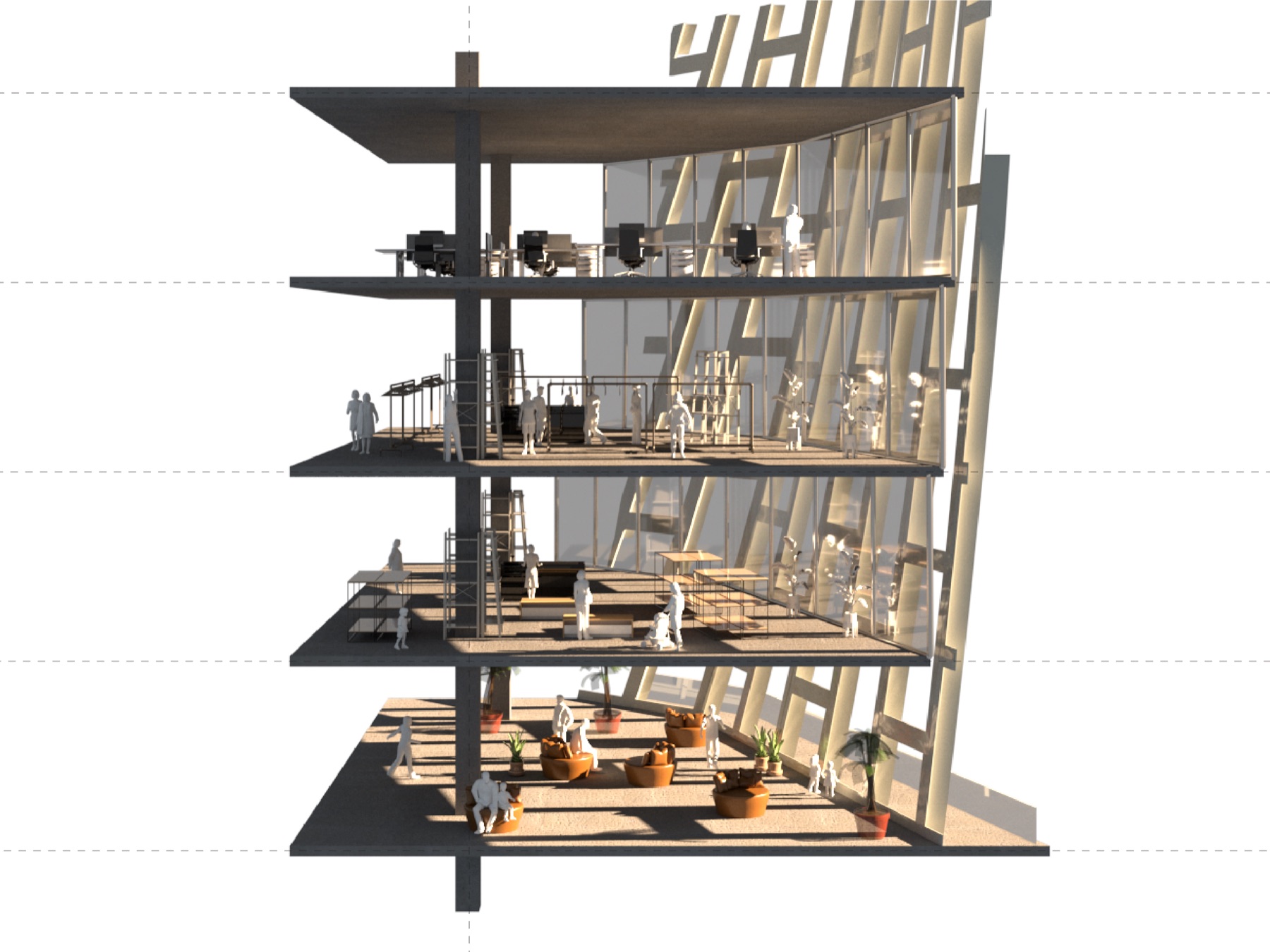
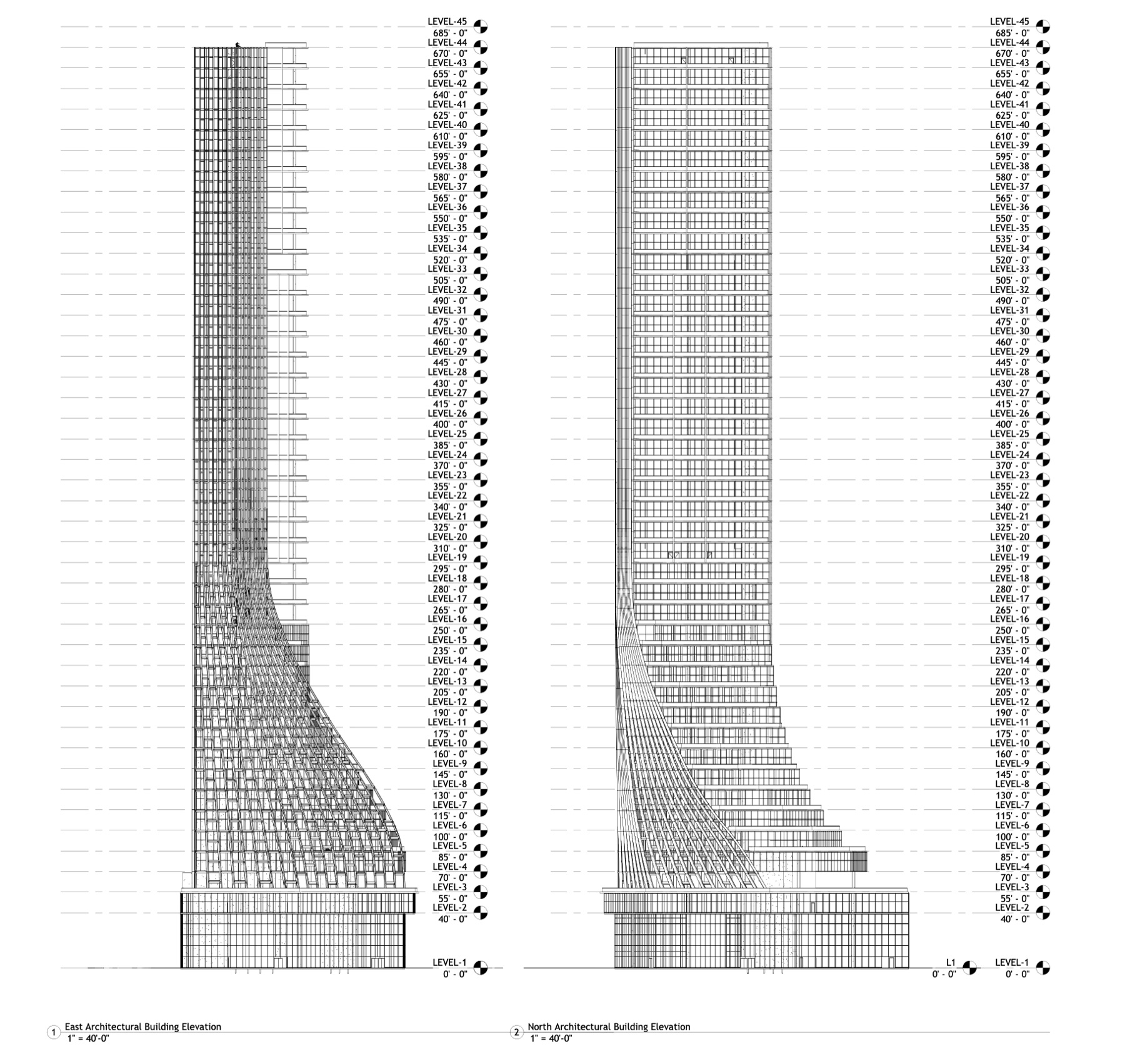
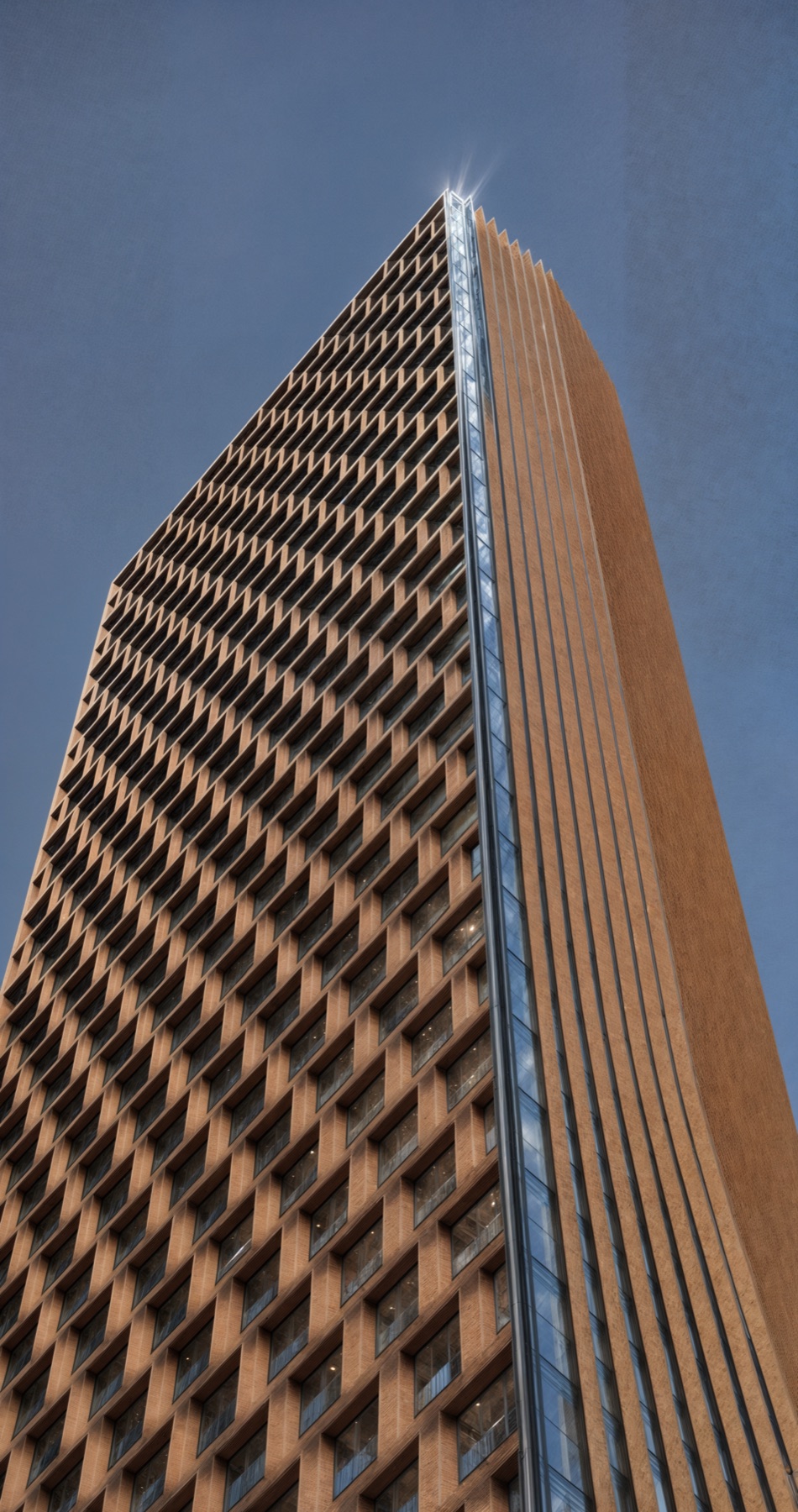
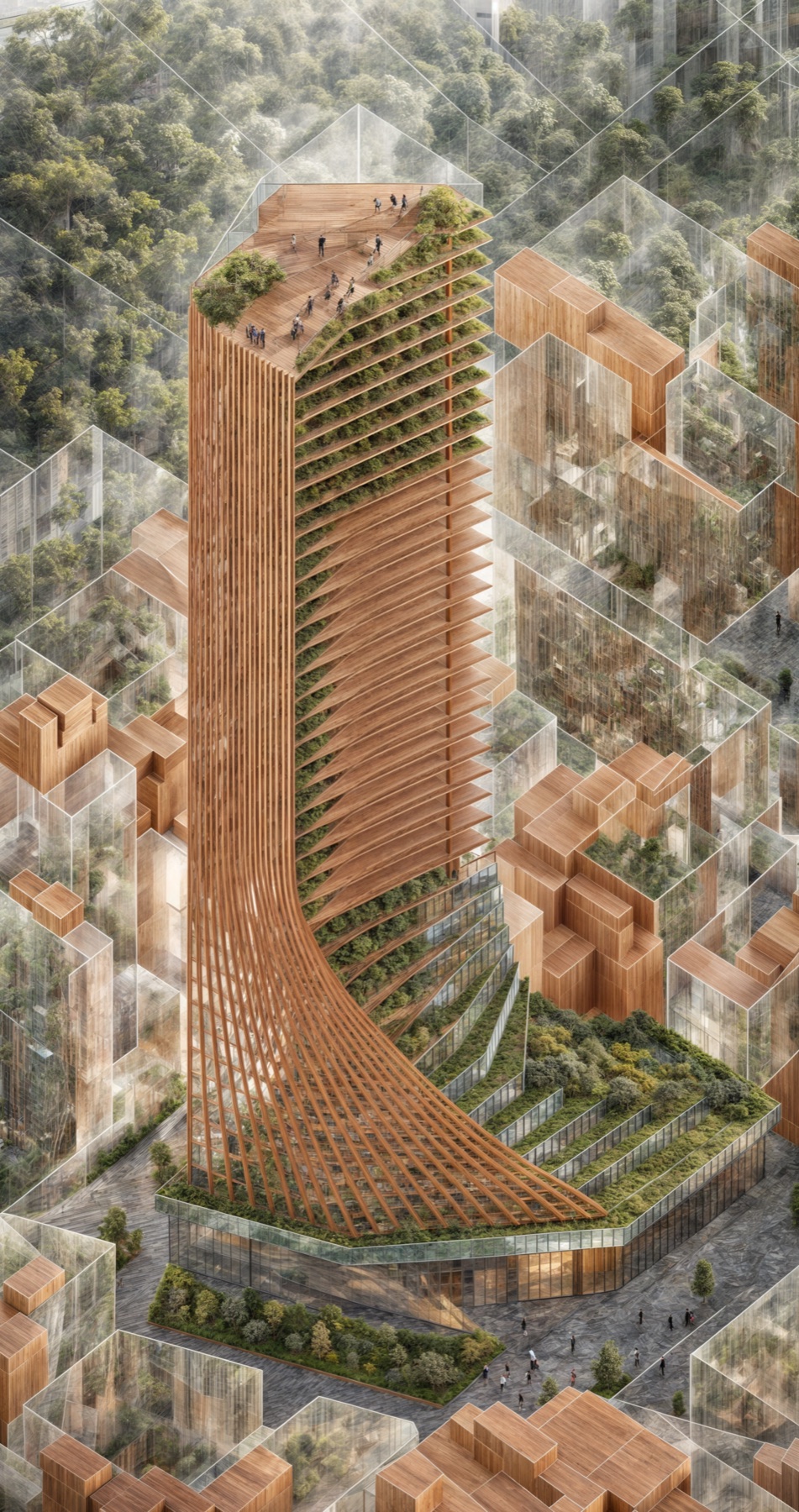
The mixed-use building contains commercial, office, hotel spaces and sustainable transitions between indoor and outdoor environments. A terracotta-to-glass facade, landscaped terraces connecting hotel floors, double-height lobbies, vibrant commercial spaces, and rooftop gardens shape the design.
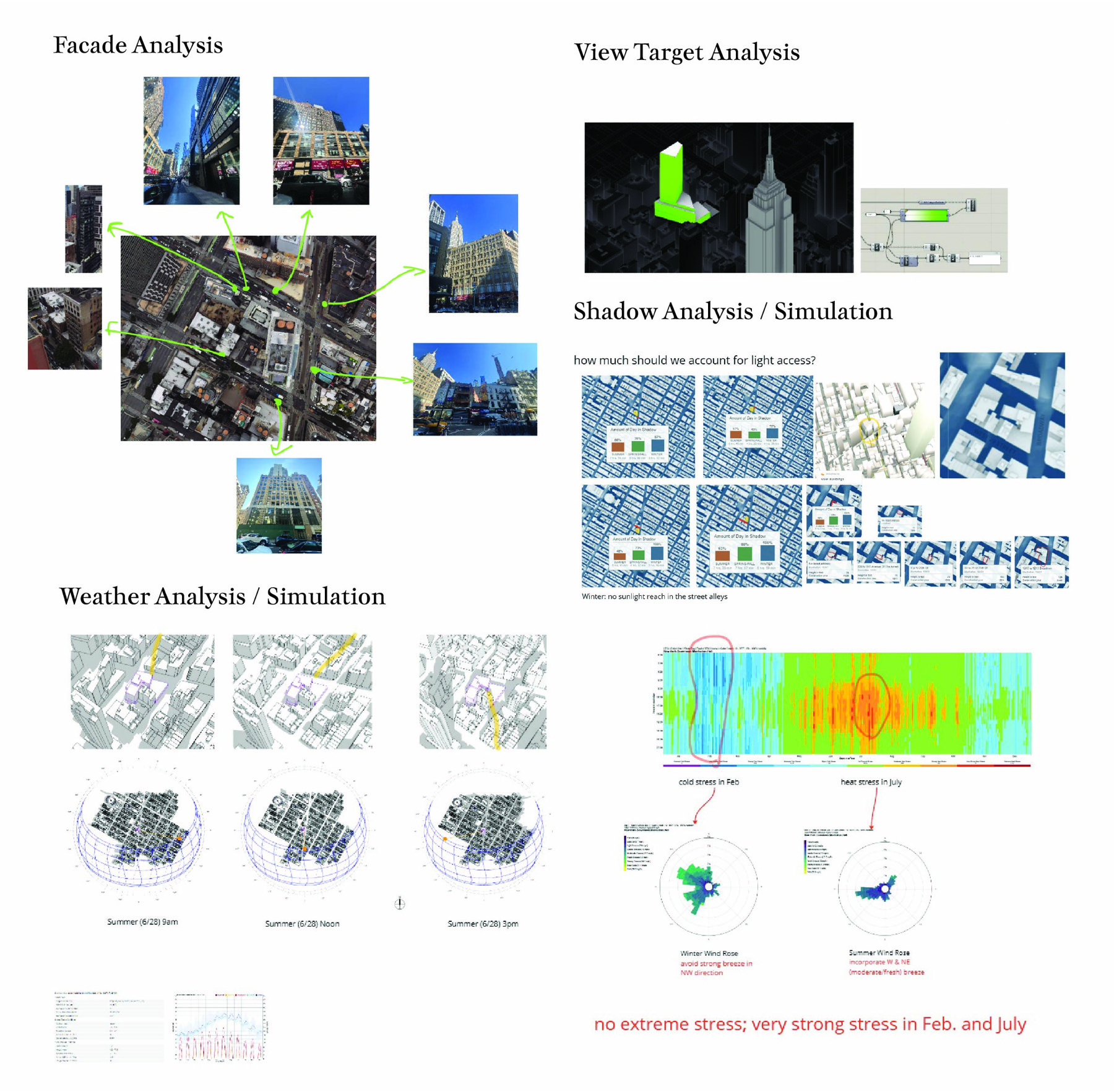
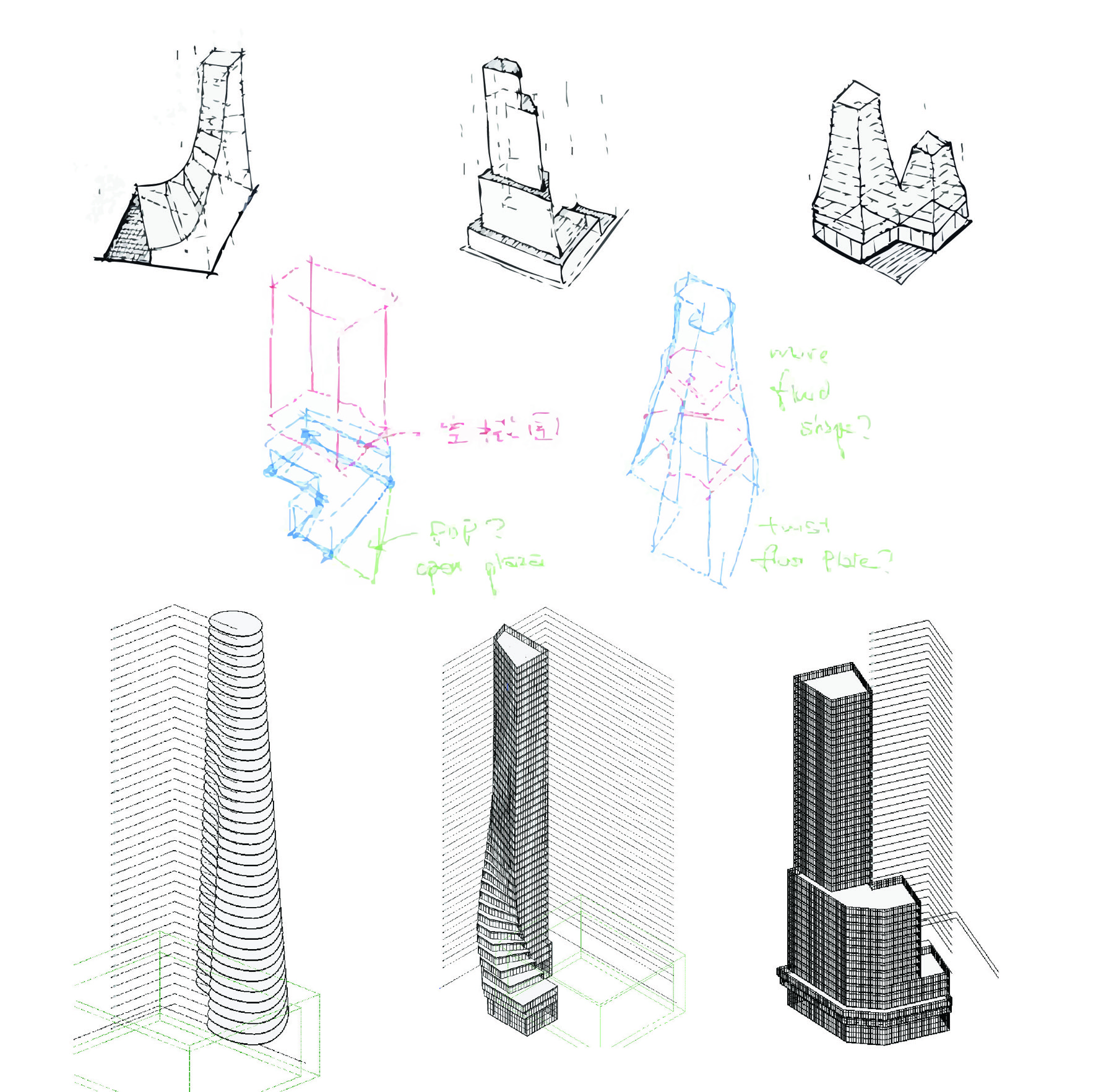
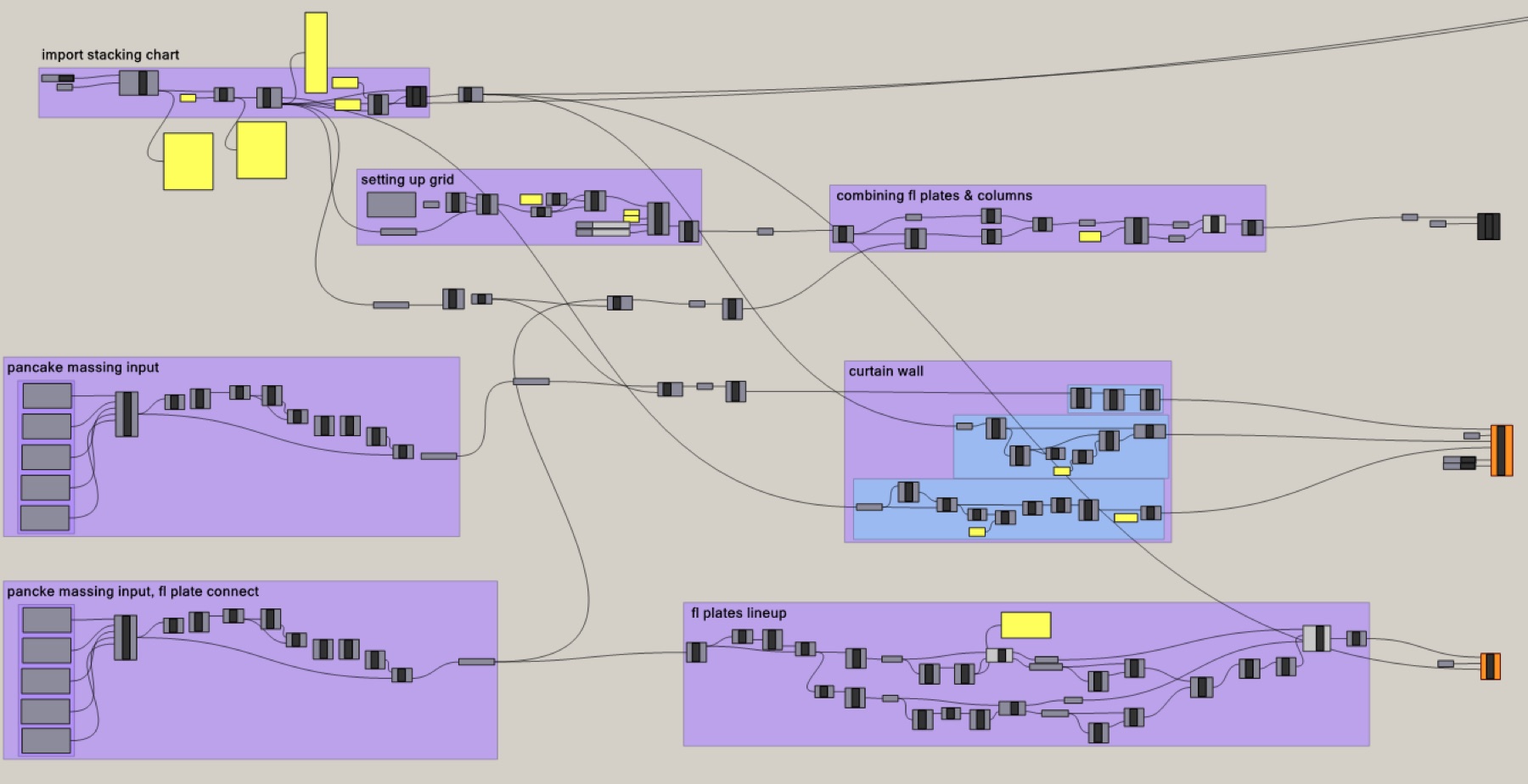
Used Rhino and Grasshopper for massing studies, target view optimization, and facade design, transitioning effortlessly into Revit with Rhino.Inside.Revit. The project reinforces interdisciplinary workflows and demonstrates advanced BIM integration for precise, innovative execution.
Project notes
- Location: 1205 Broadway, New York, NY
- Fall 2024 Rethinking BIM: Exploring Interoperability in Design Prof. Joseph A. Brennan
- Type: Mixed-use
- Focus: Environmental Integration & Digital Workflow
- Collaborative project with Manas Bhatia / Yilin Zheng
Tools & methods
- Revit & Rhino.Inside
- Rhino & Grasshopper
- Enscape & AI Rendering
- Adobe Suites
- Facade Optimization
Bento
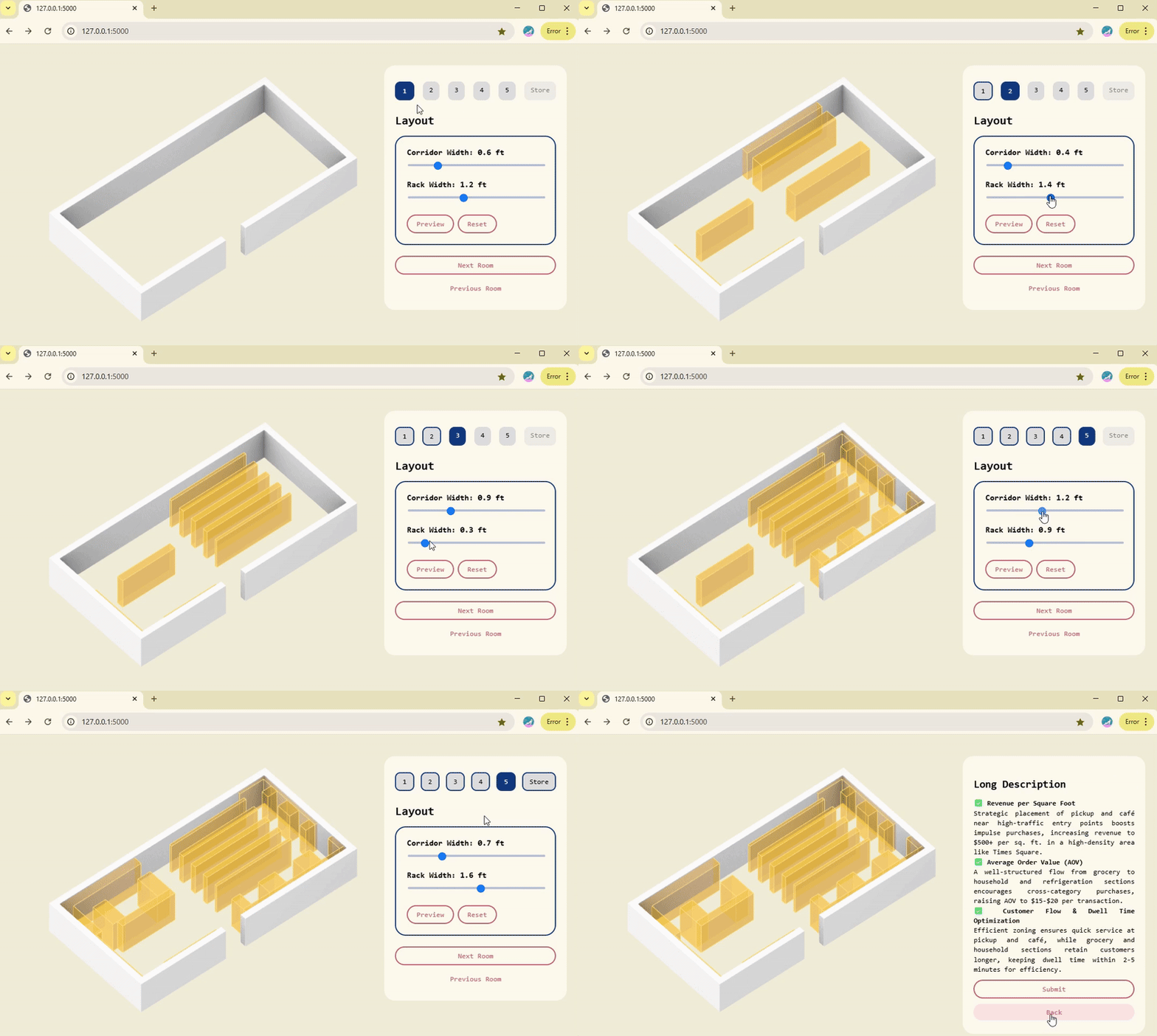
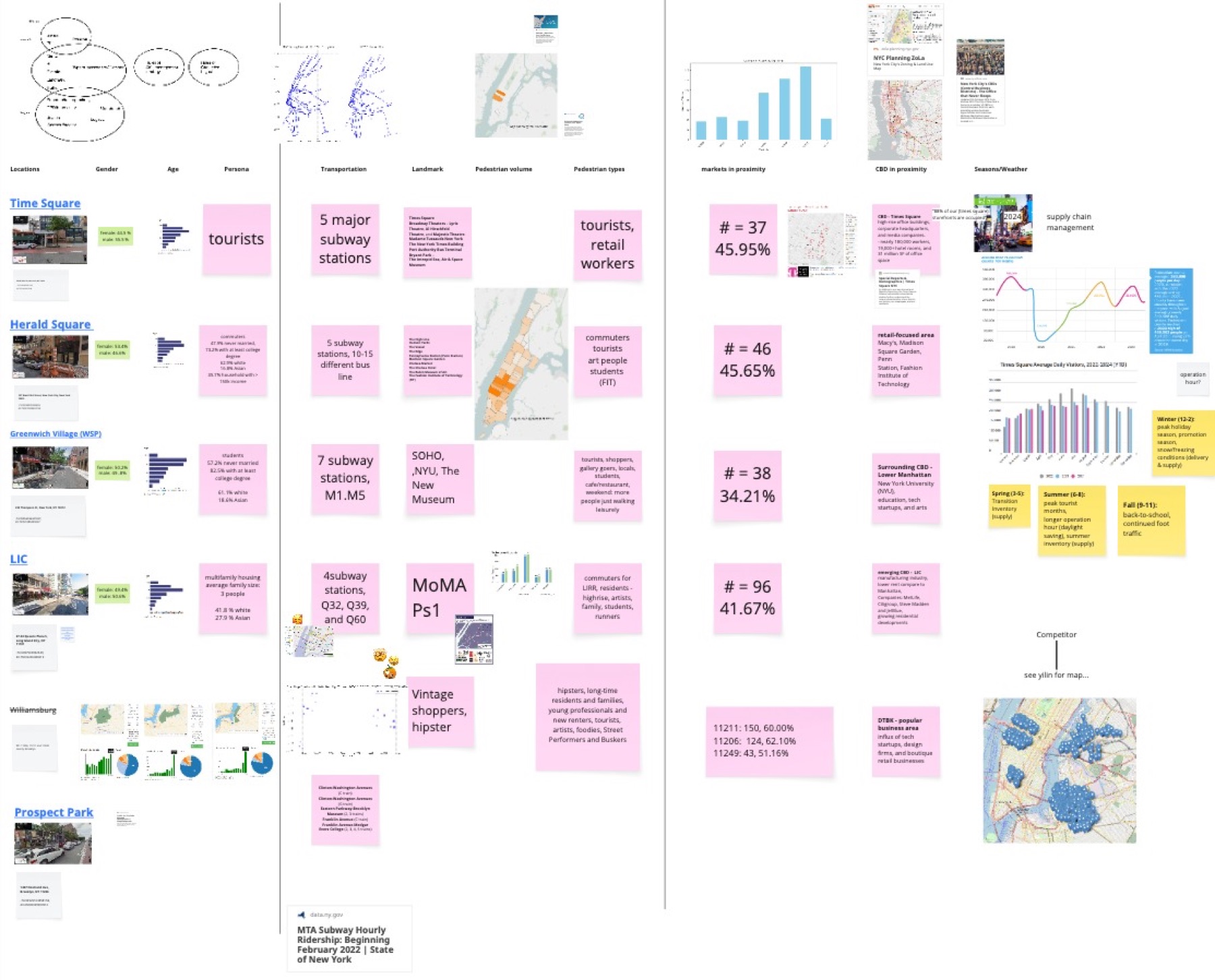
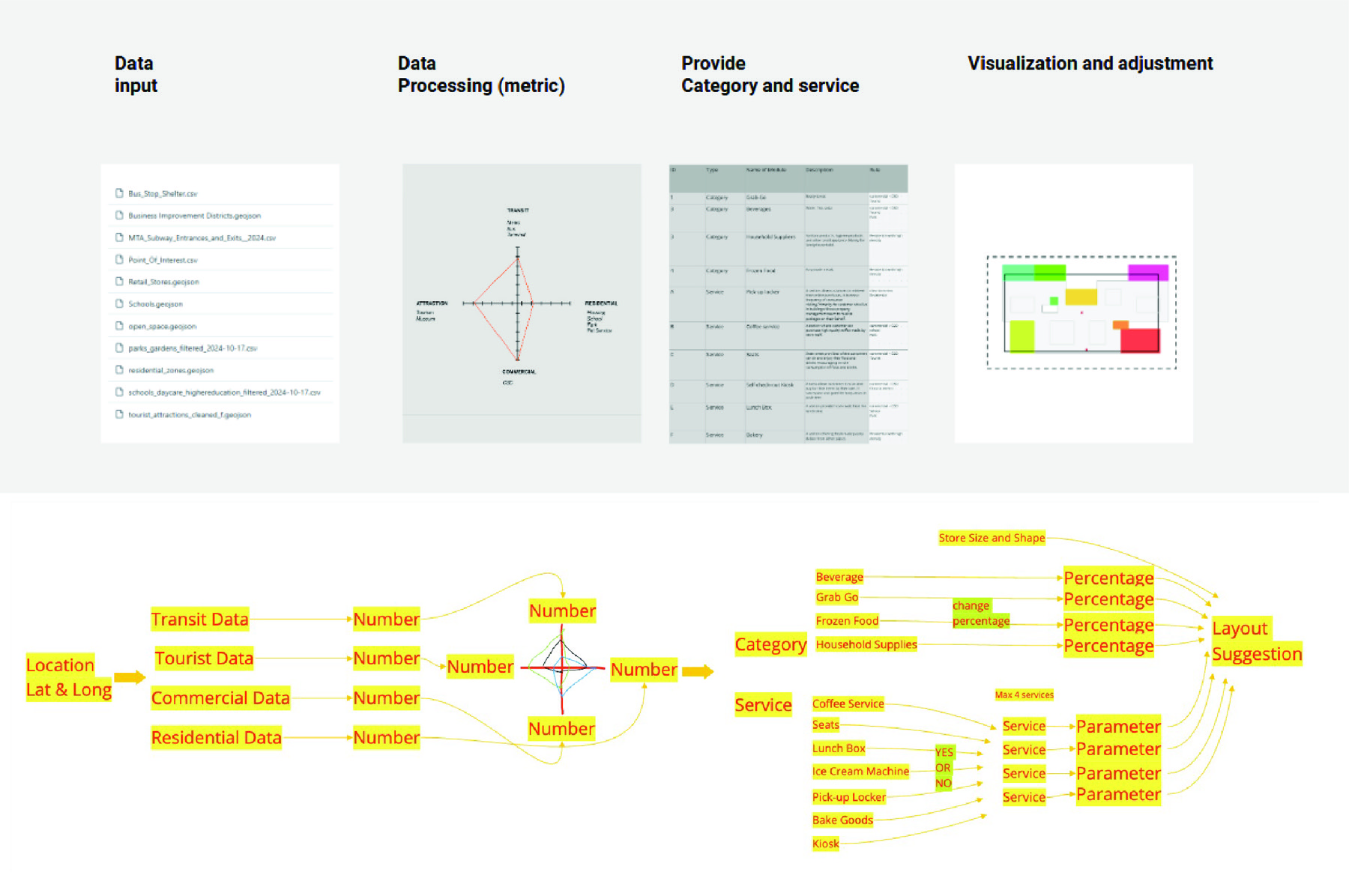
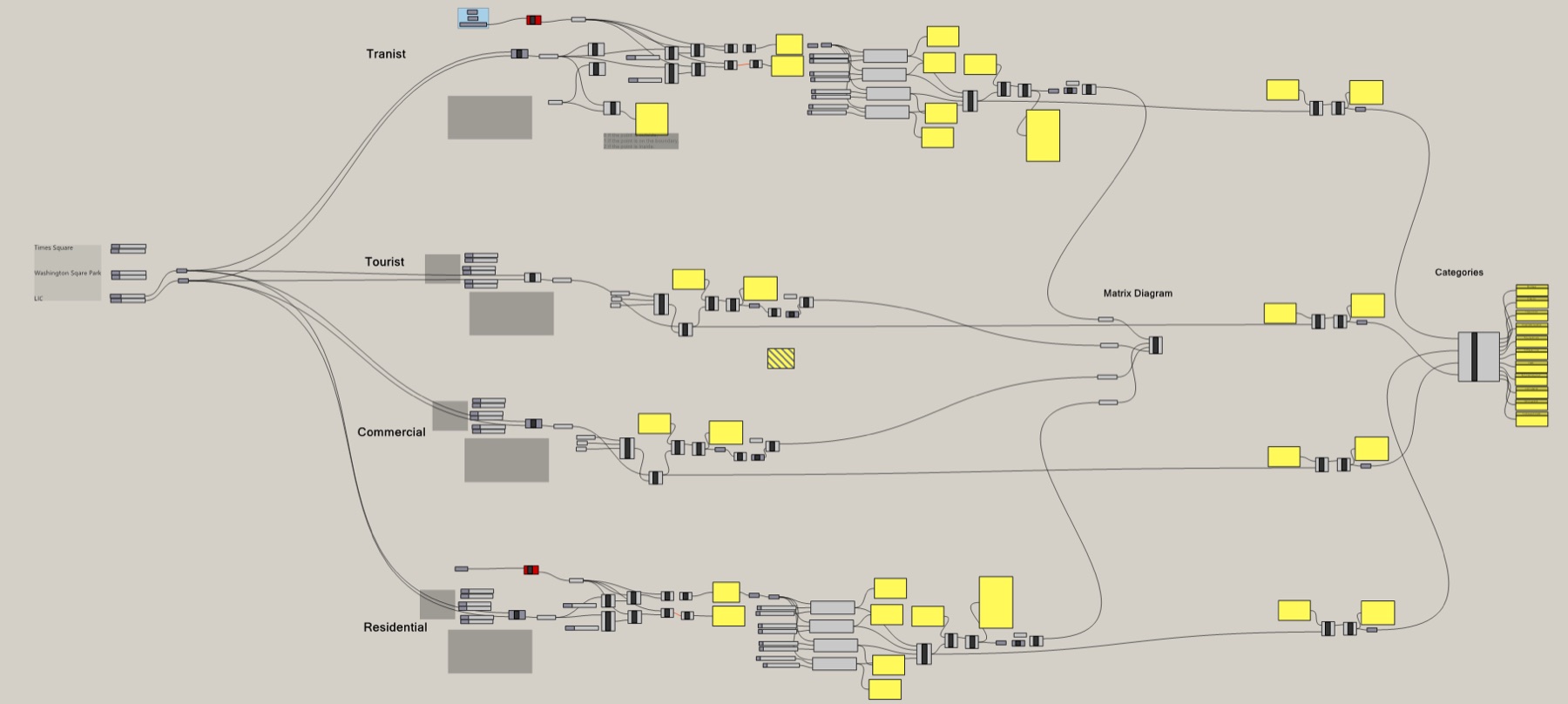
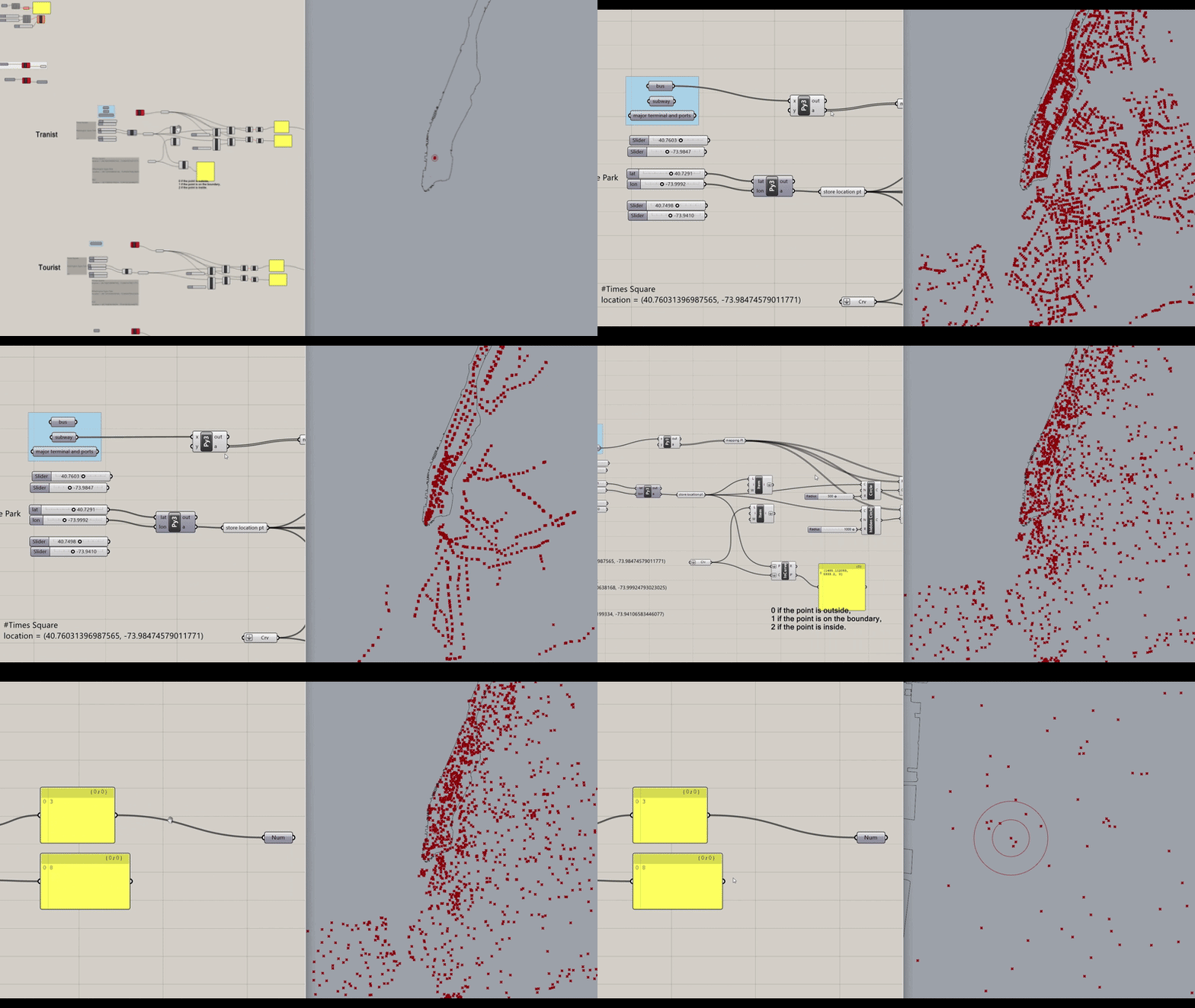
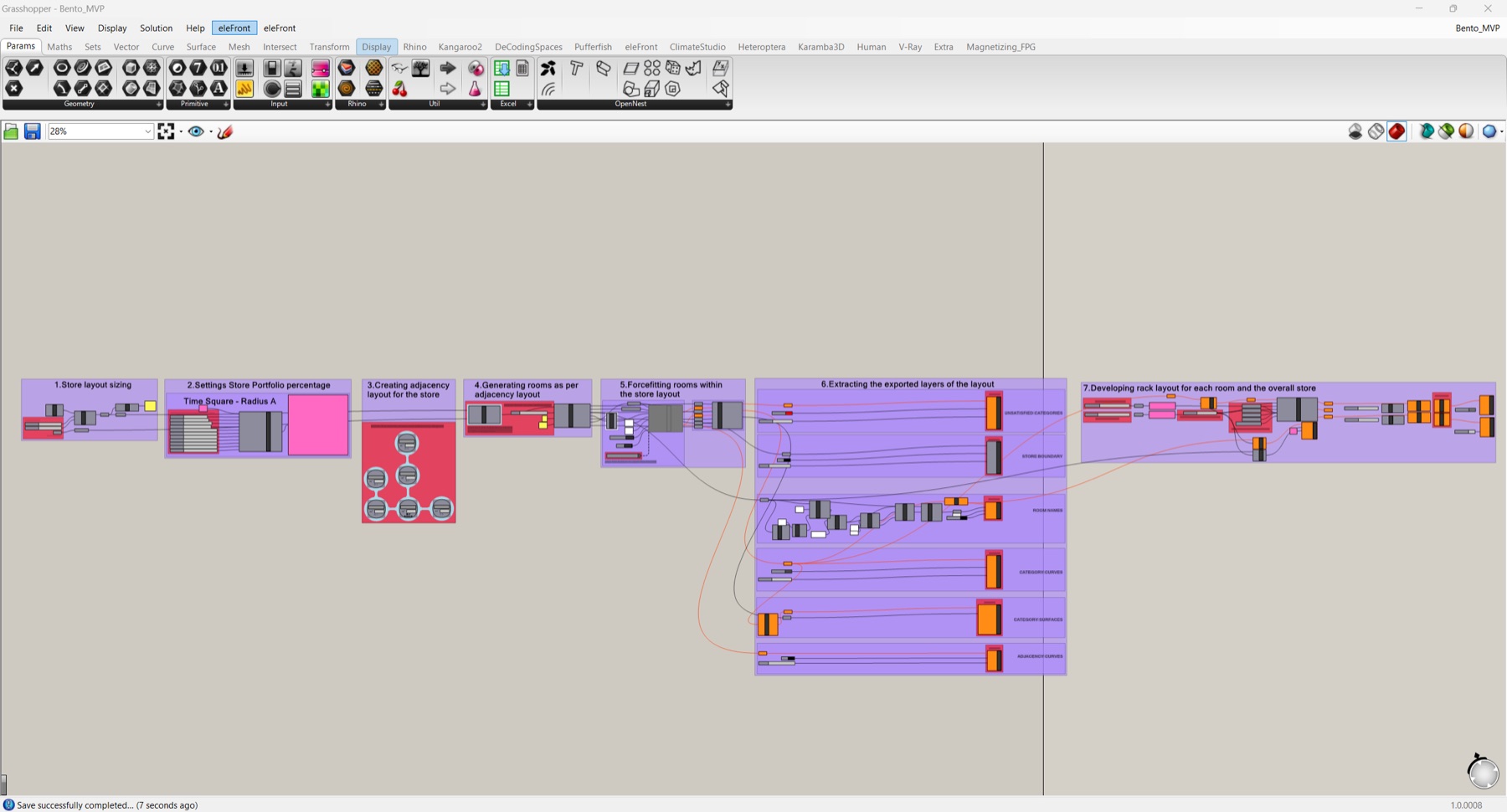
Bento is an experimental project that explores how urban data can inform the design of future retail environments. Using open datasets from New York City, raw information such as CSV and GeoJSON files were processed through Python scripts, cleaned, and transformed into matrix formats for mapping and visualization. This pipeline made visible the spatial and social patterns embedded in consumer behaviors, mobility flows, and neighborhood dynamics.
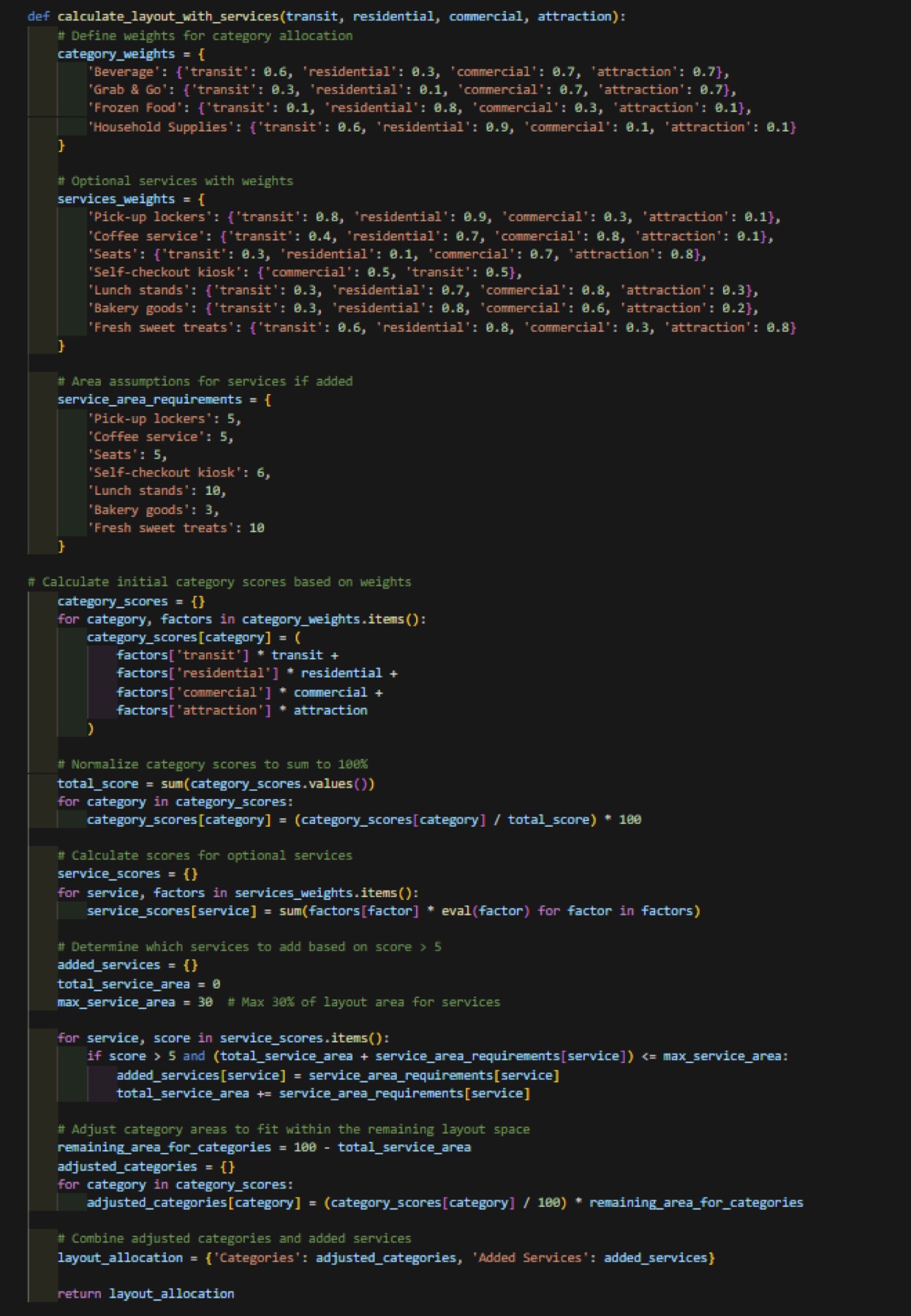
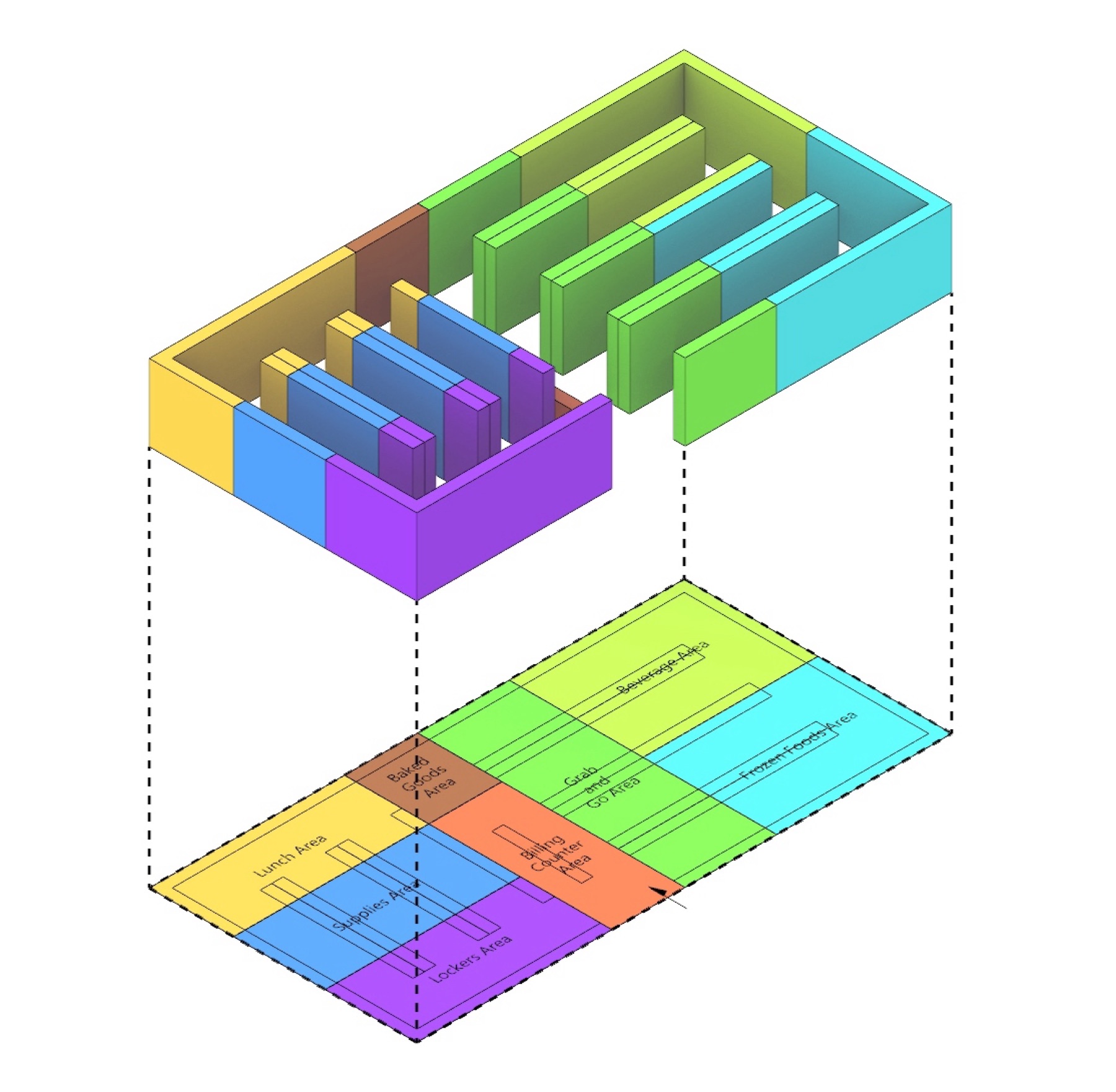
By translating these insights into design strategies, Bento proposes an adaptive retail model that goes beyond static floor plans. The project demonstrates how data can be repurposed as design intelligence, supporting flexible layouts, personalized services, and new forms of community engagement.
Read more on the Medium article
Bento is an experimental project that explores how urban data can inform the design of future retail environments. Using open datasets from New York City, raw information such as CSV and GeoJSON files were processed through Python scripts, cleaned, and transformed into matrix formats for mapping and visualization.
Project notes
- Fall 2024 Design Intelligent Prof. Danil Nagy
- Type: Design Intelligence Project
- Focus: Data-driven, Future Retail, Adaptive Systems
- Collaborative project with Lin Genda, Jain Vaibhav, Ye Zhiqing, Zheng Yilin
Tools & methods
- Rhino & Grasshopper
- Python Scripting
- Data Visualization
- Adobe Suites
- Rhino Compute
Between the Mounds
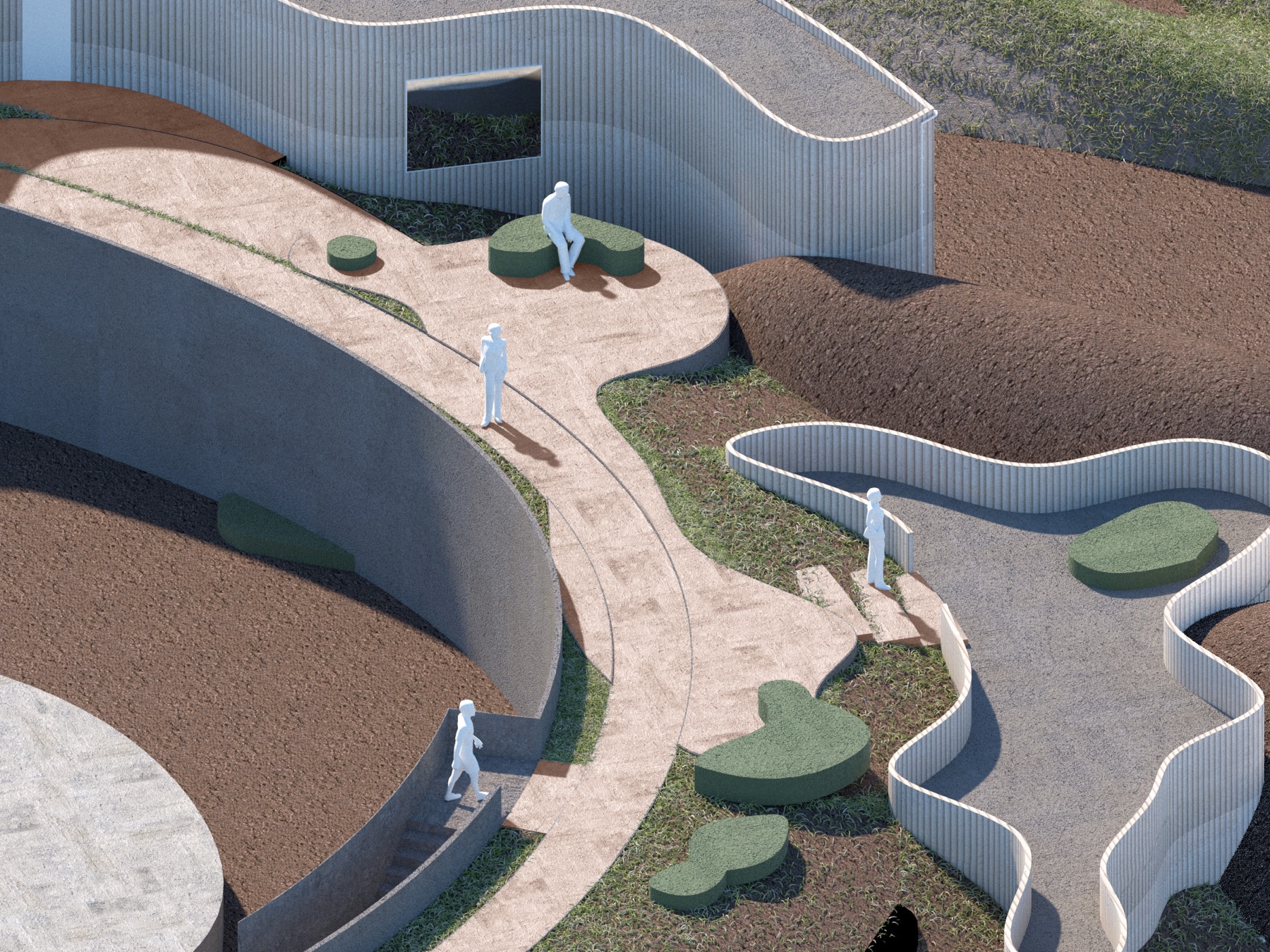
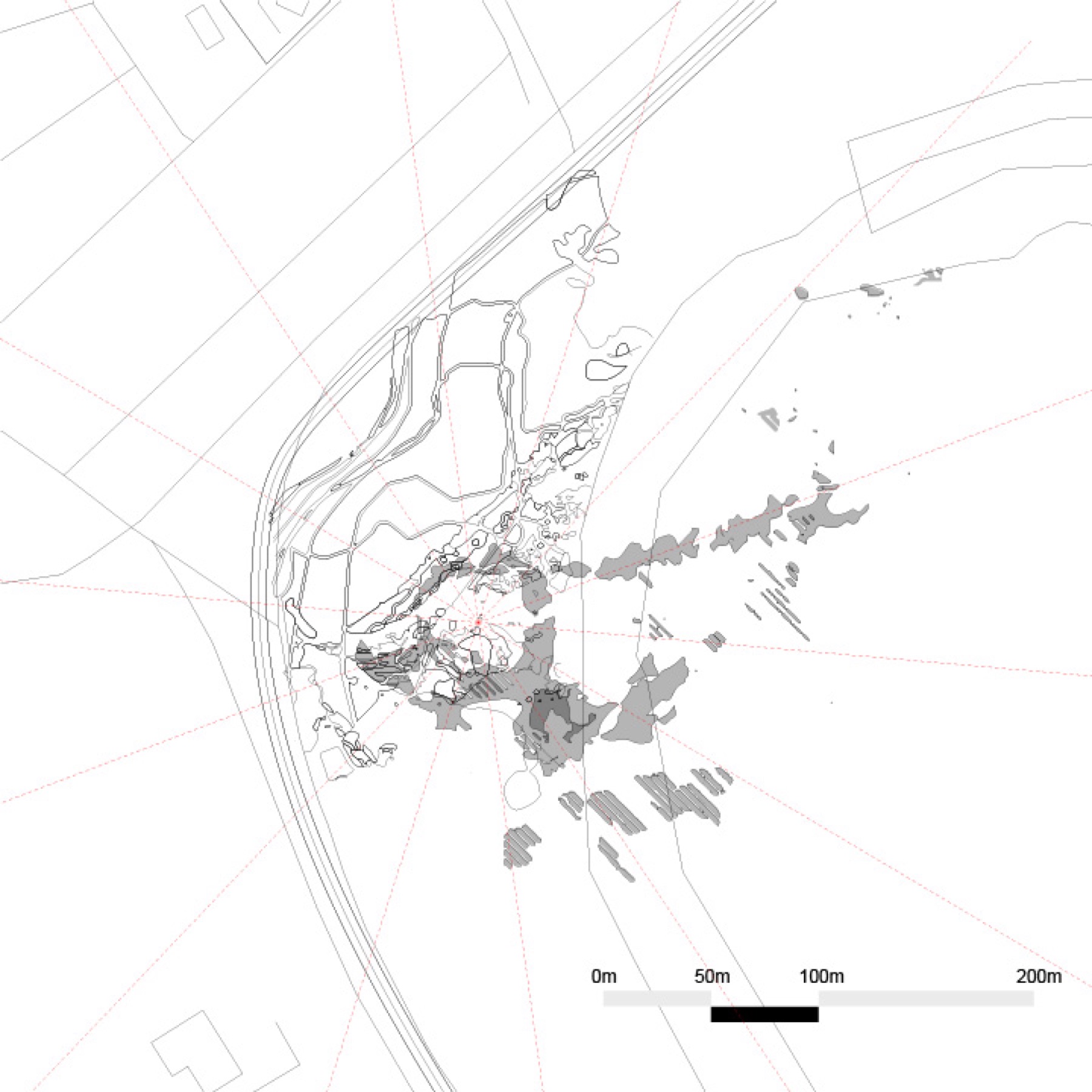
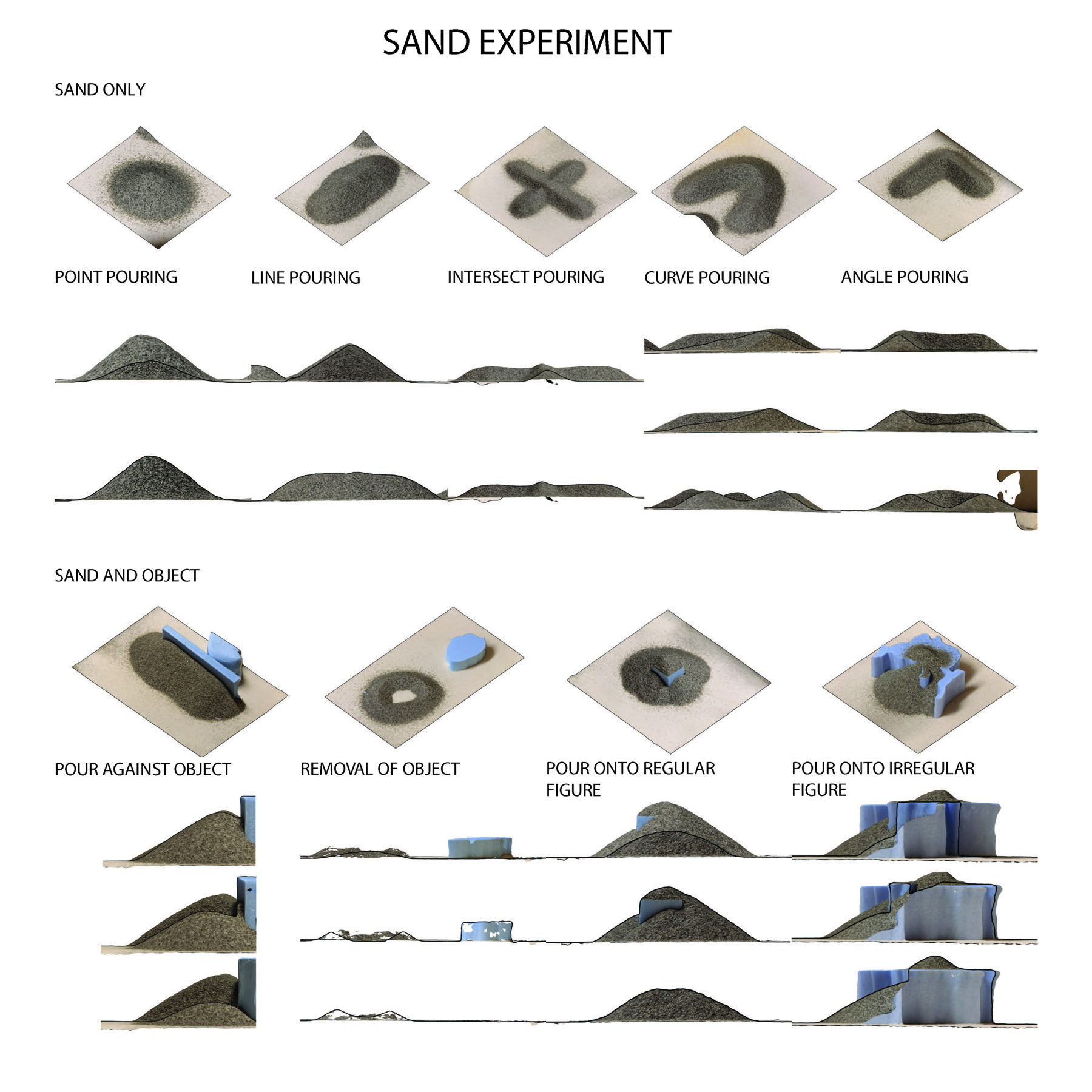
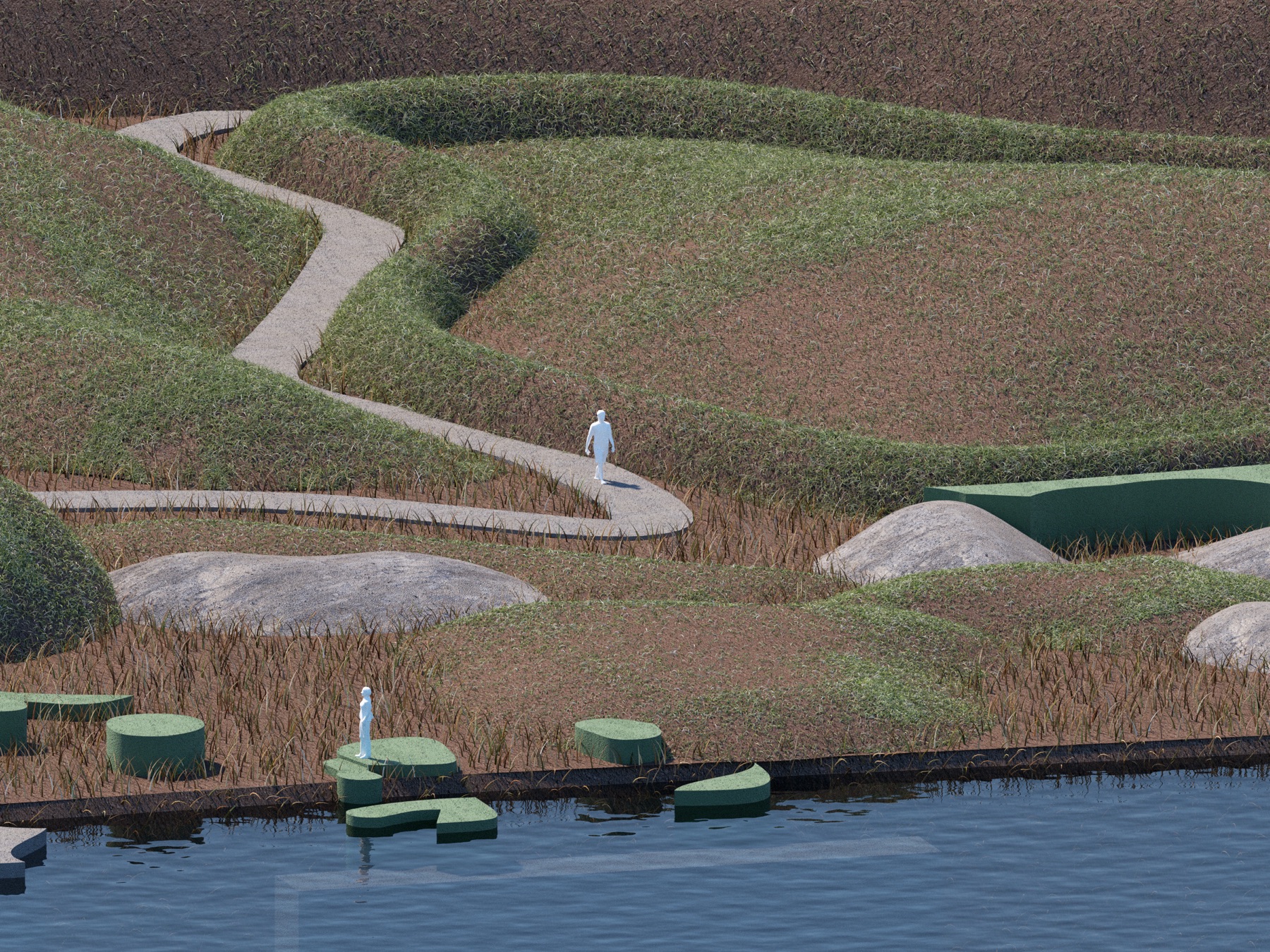
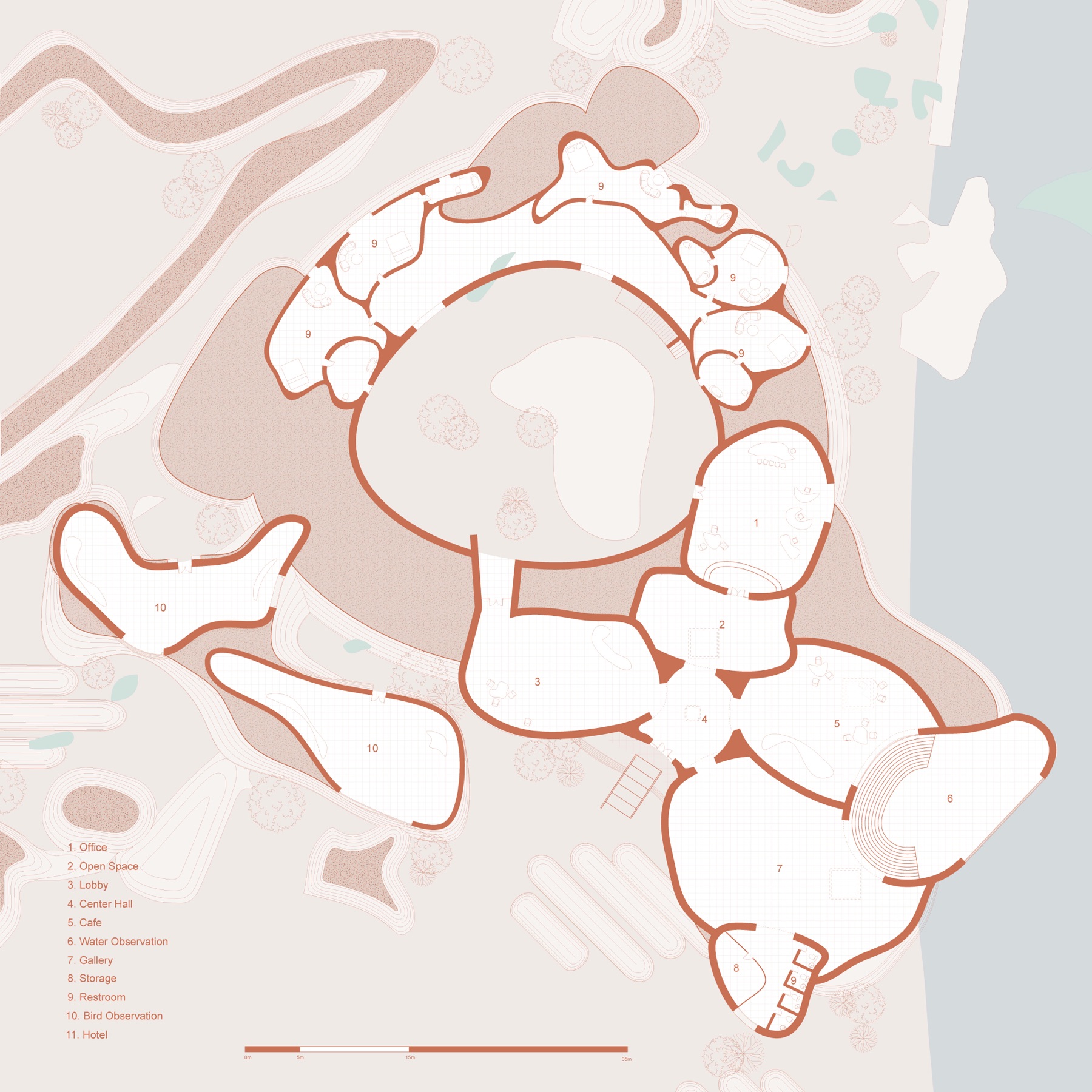
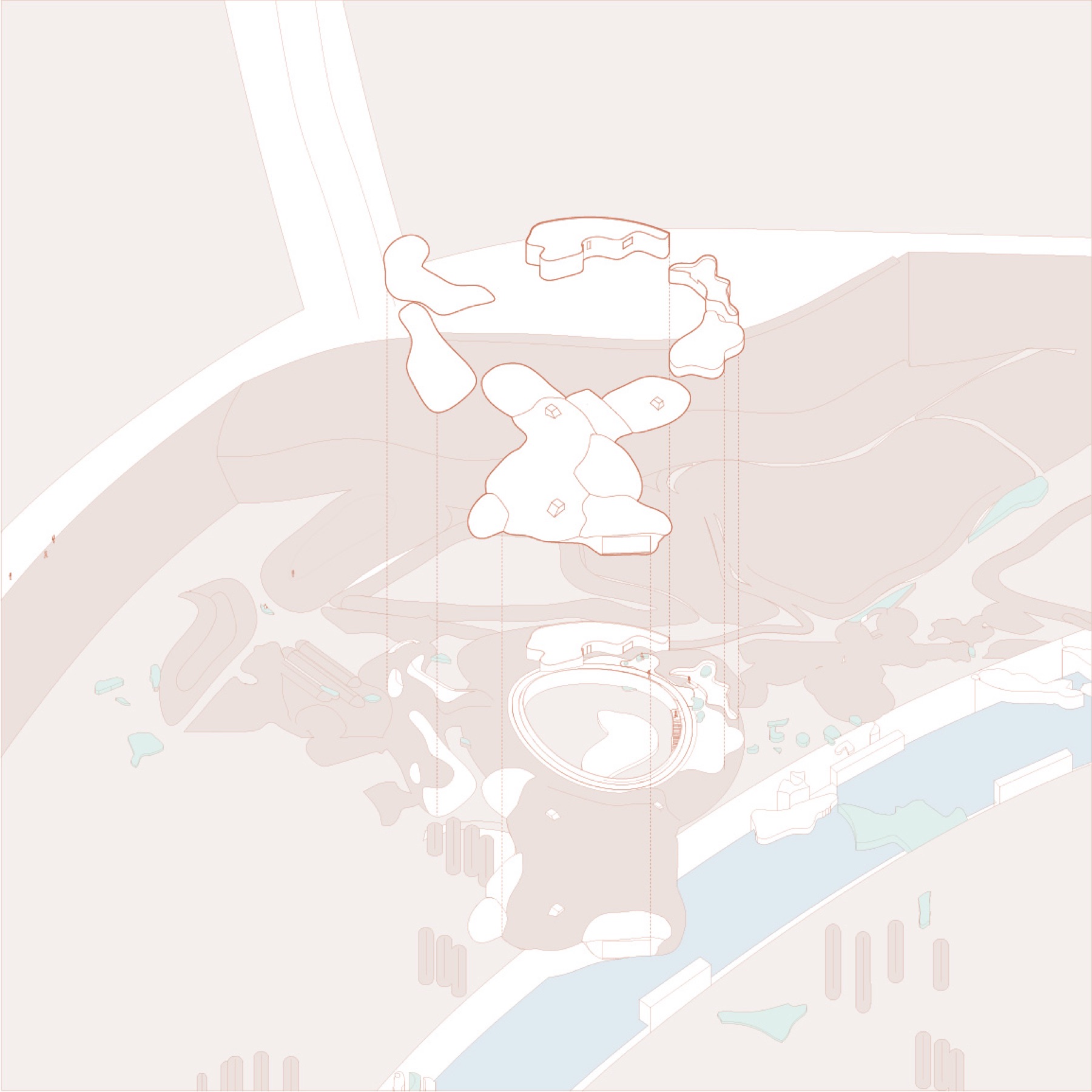
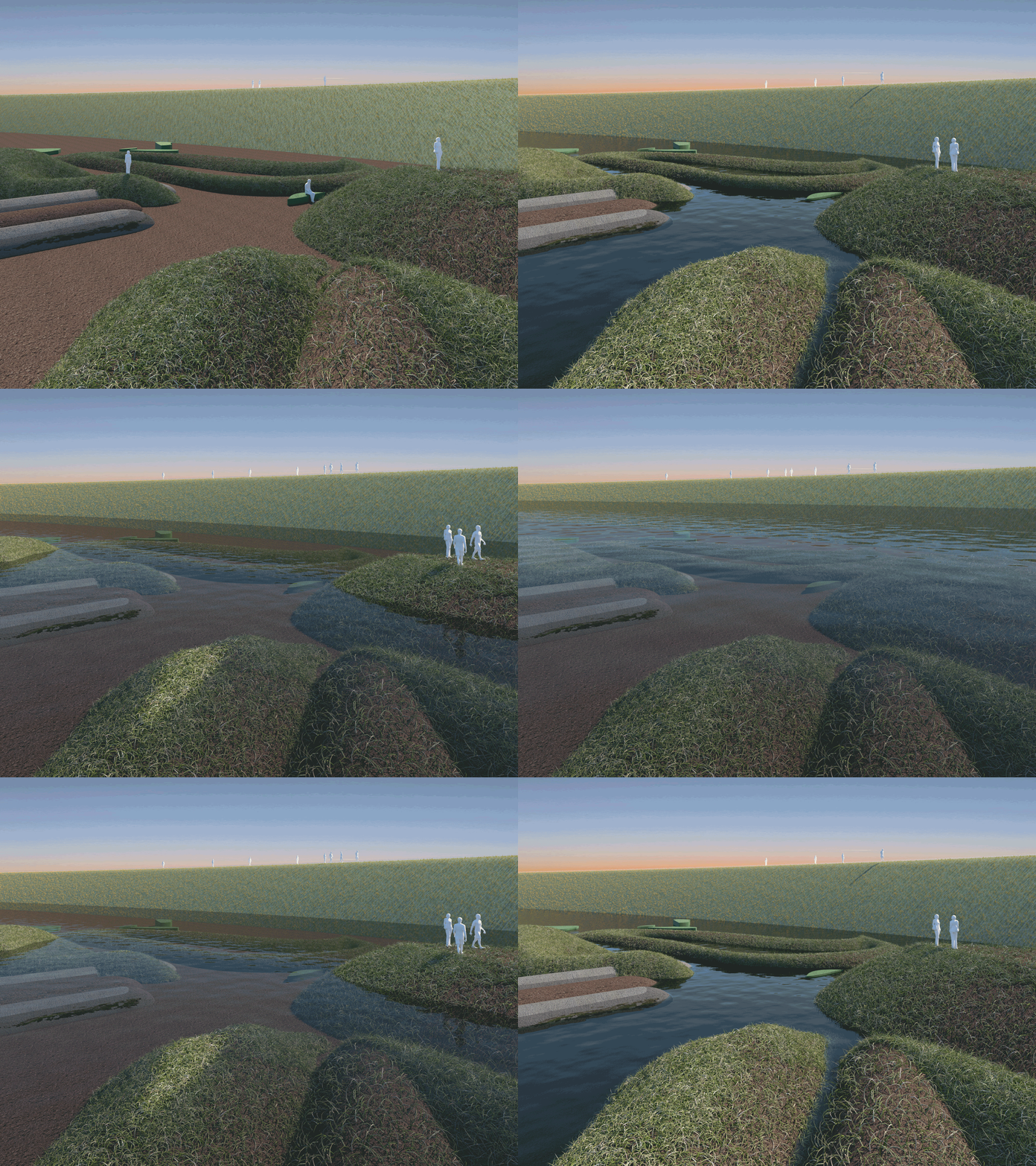
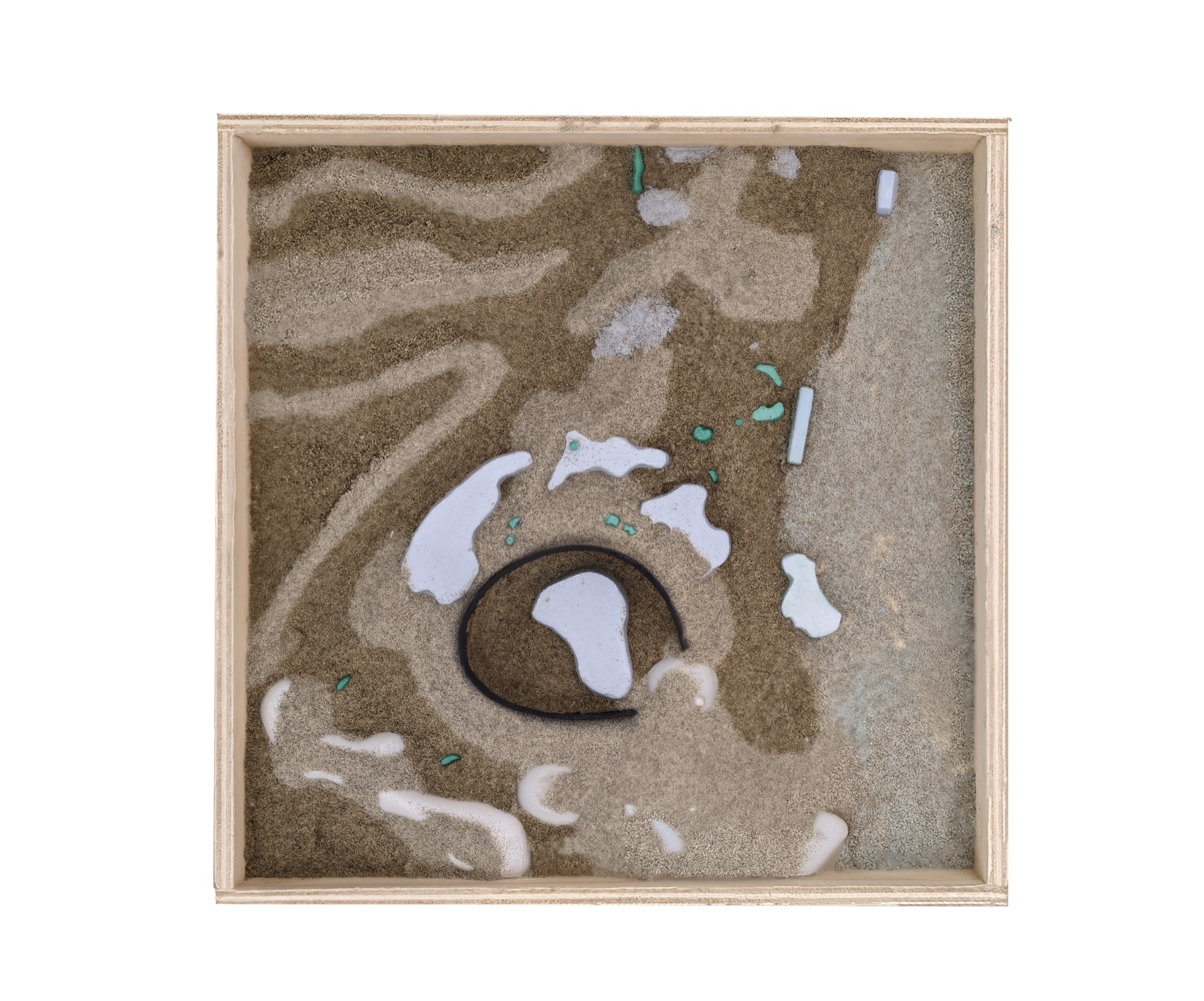
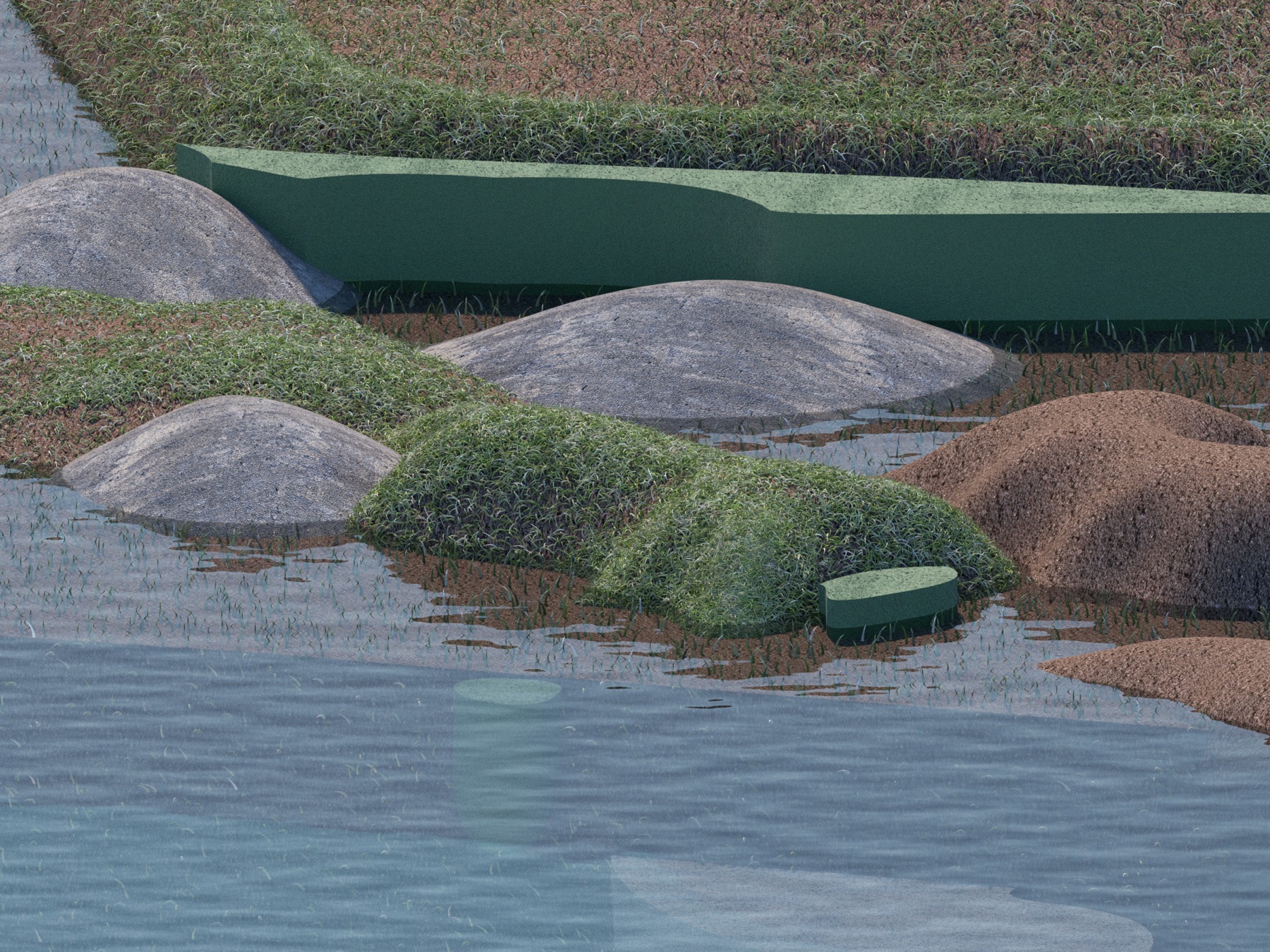
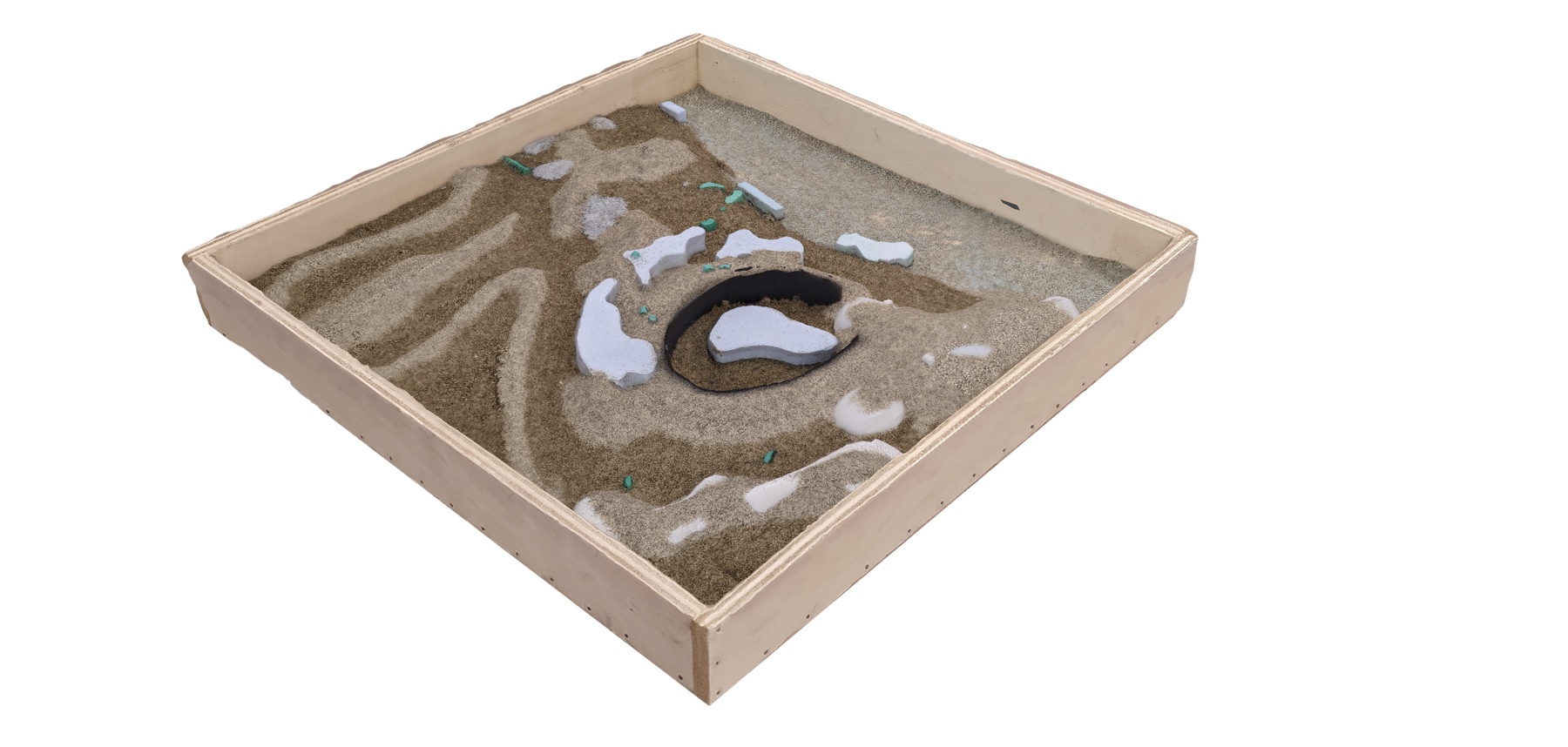
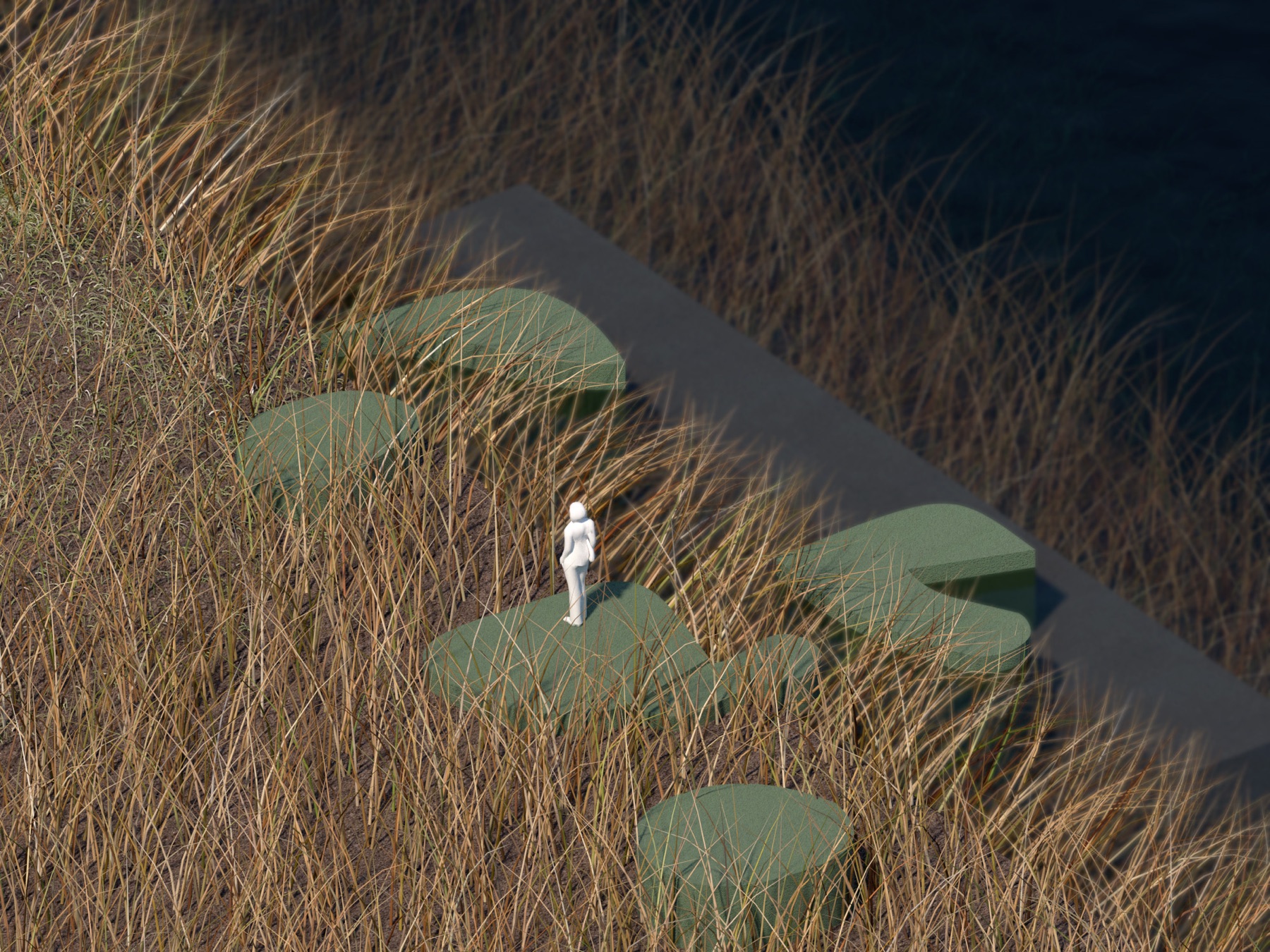
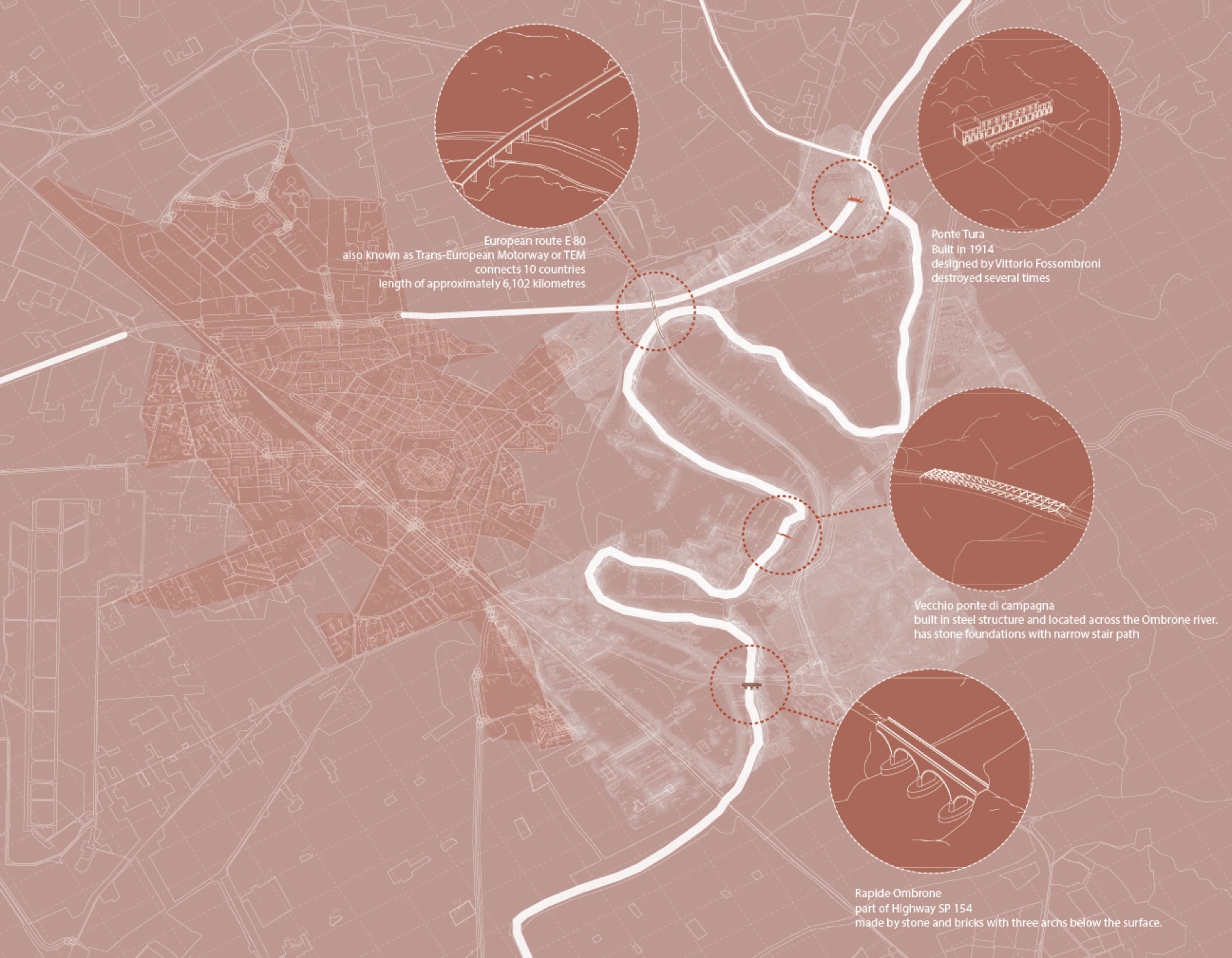
BETWEEN THE MOUNDS is an experiential project to create a calm environment that is immersed in nature. The rough look of the concrete and the insertion of architecture with the soft mounds formulate a strong comparison. Different techniques of pouring create different scales of mounds. The mounds look random but are designed and poured with accuracy. The project contains mainly programs of water observation, bird watching, mound playground, and hotel cells. Moreover, To differentiate the ground type, using earth, vegetation, concrete, and colored concrete.
Project notes
- Location: Grossoto, Marramma, Italy
- Spring 2022 Studio Course Prof. Cecilia Lunbank
- Type: Landscape Architecture
- Focus: Topographic Integration, Material Experimentation
- Collaborative project with Jianlin Chen and Ruijia Ma
Tools & methods
- Rhino & V-Ray
- Adobe Suites
- Physical Modeling
- Landscape Strategy
LPC Headquarter
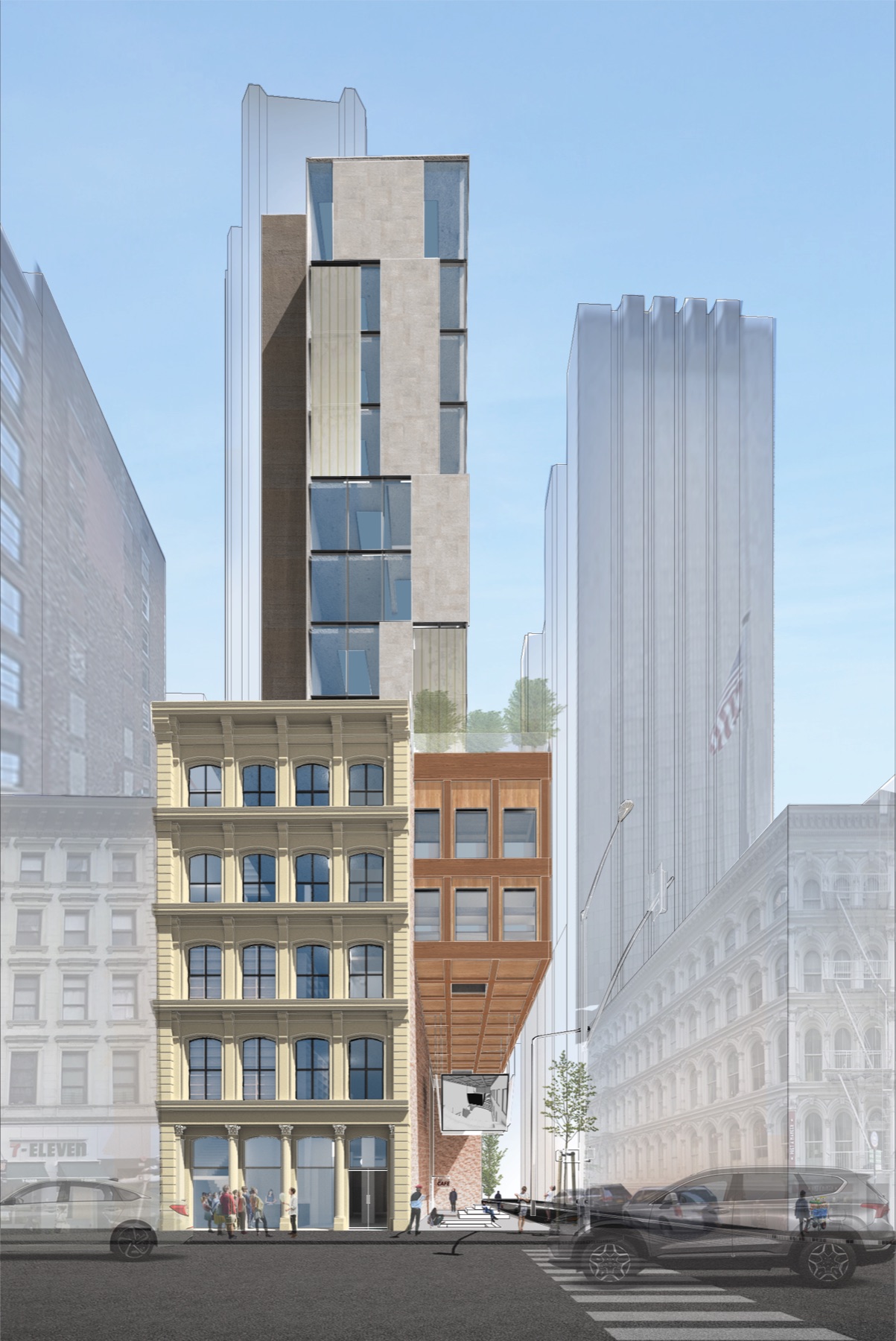
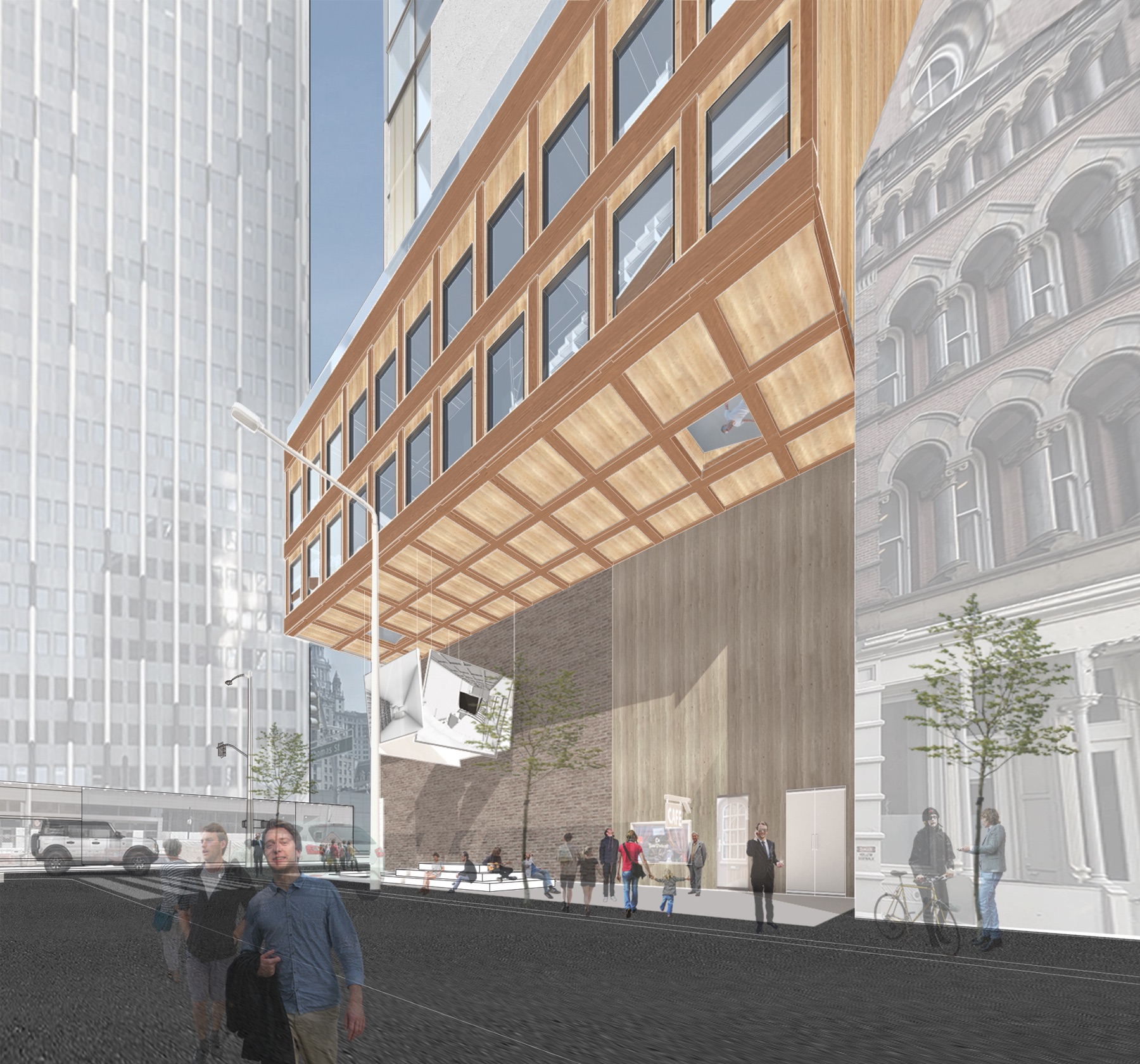
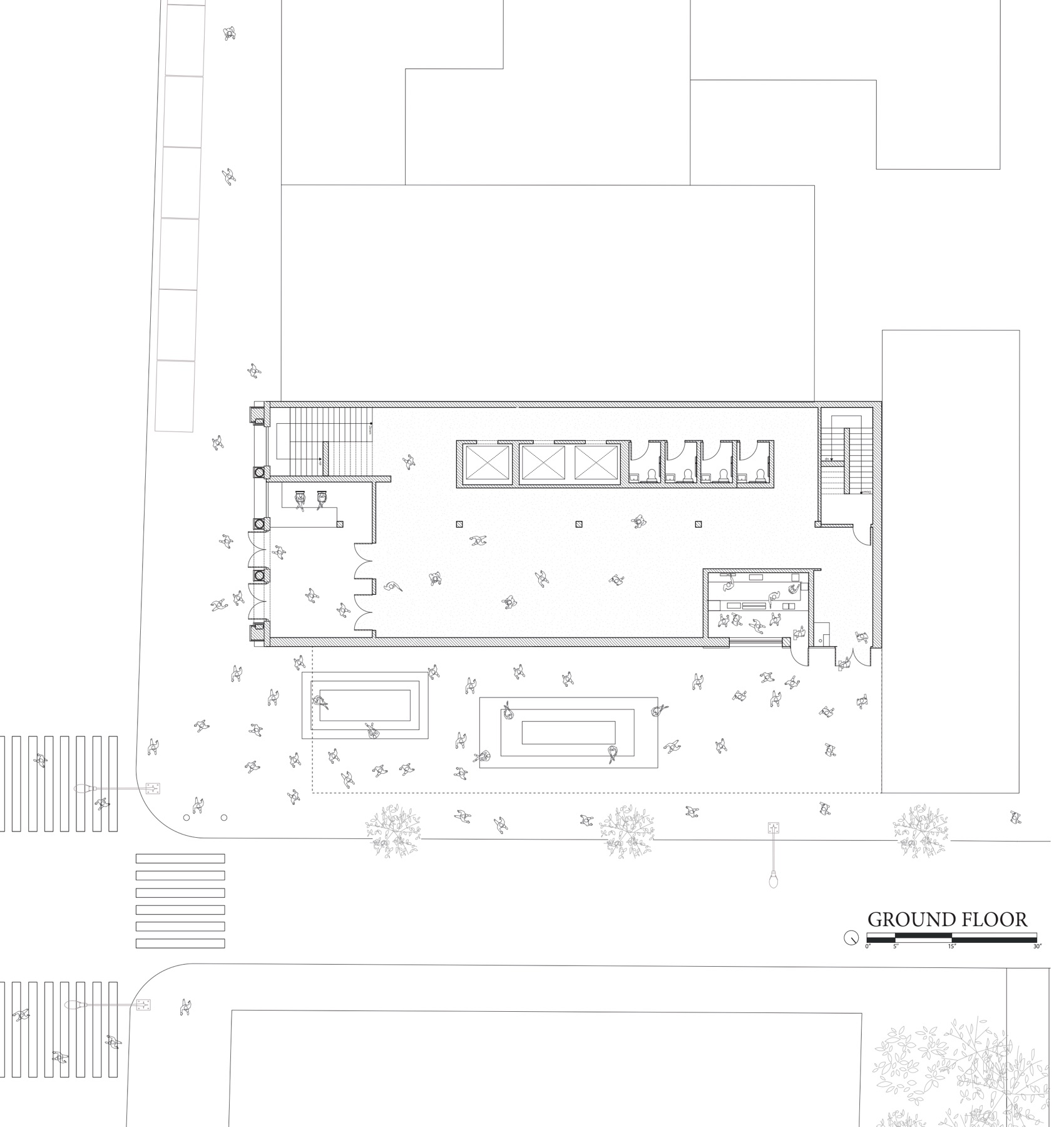
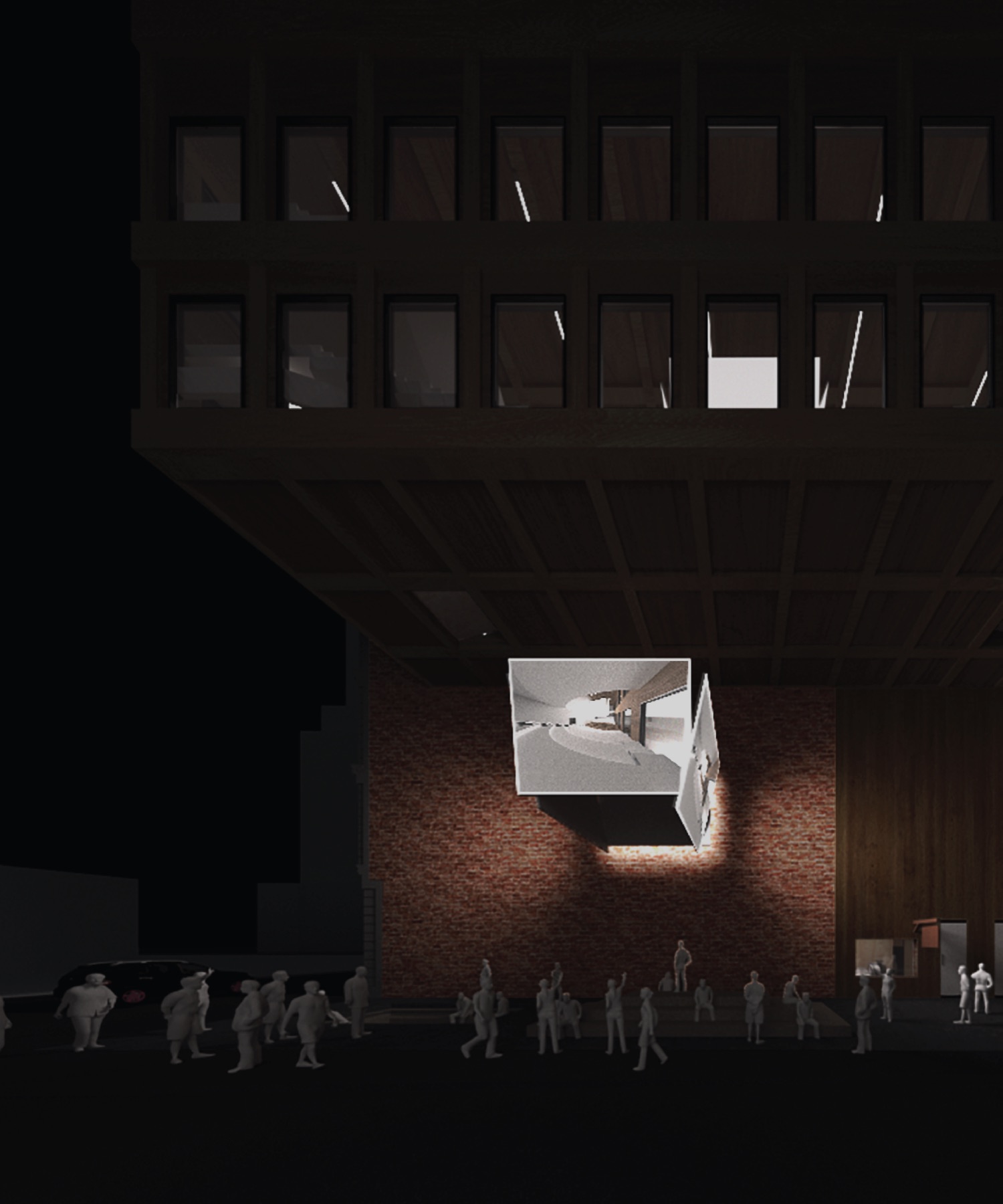
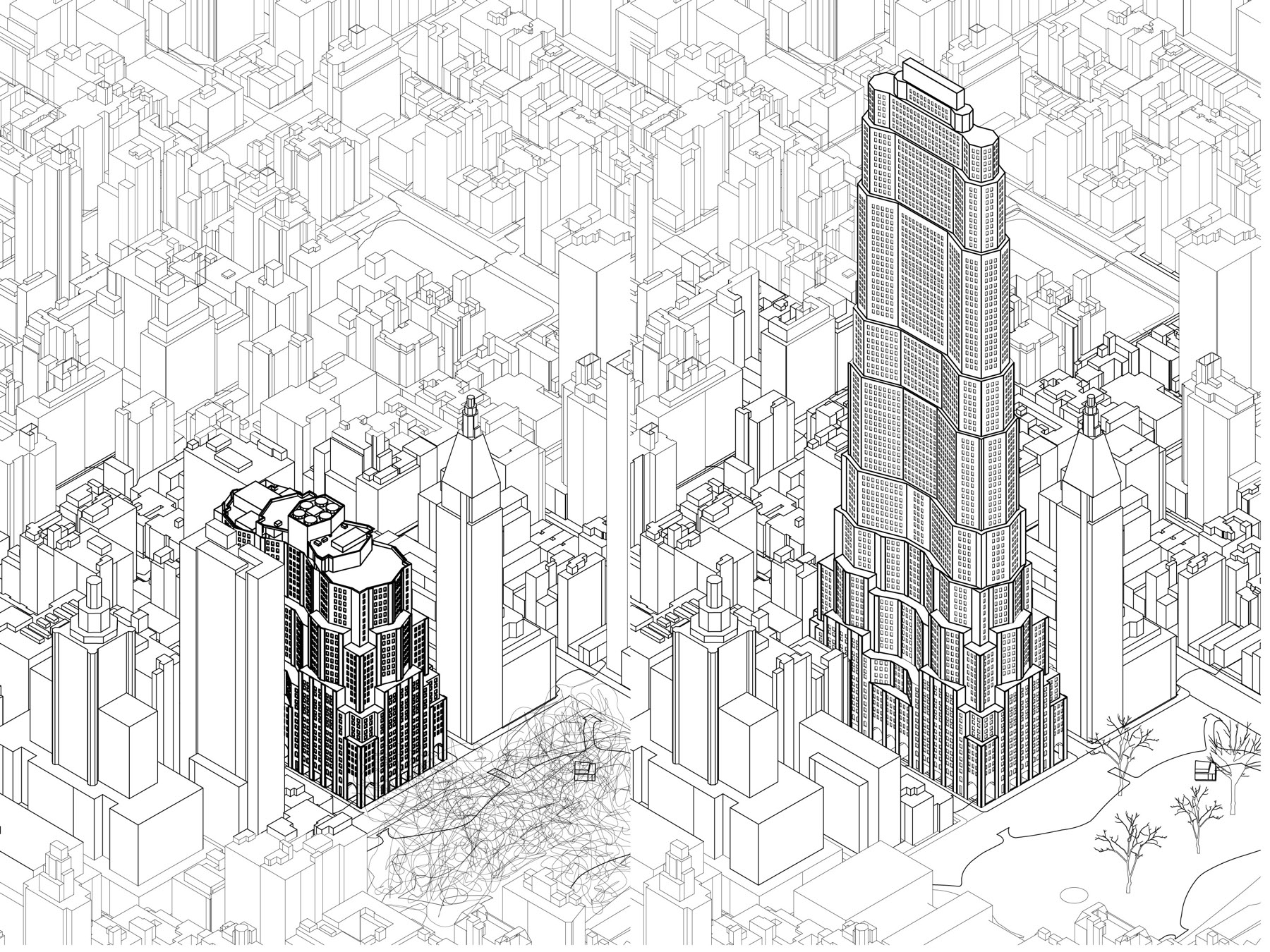
LPC Headquarters reimagines 315 Broadway, a landmarked site in New York City, as a more welcoming and accessible home for the Landmarks Preservation Commission. The design preserves the historic lot as much as possible while inviting the community in through a new corner plaza. This open public space not only connects citizens to the Commission, but also transforms the LPC into a visible, approachable civic institution.
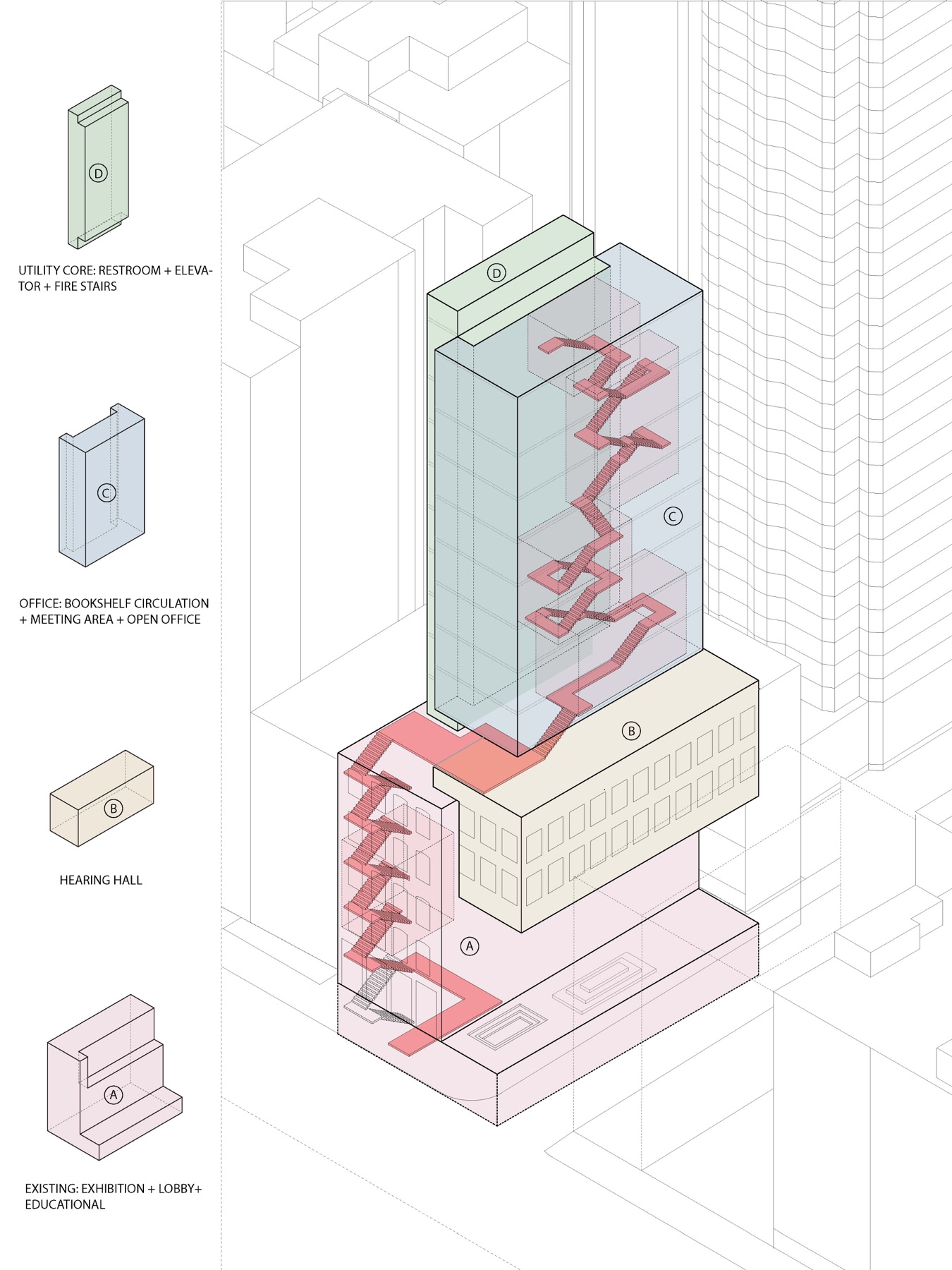
To create a better visitor experience, the project establishes visual connections between the hearing hall and the street, as well as between the hall, gallery, office, and archive. A large Jumbotron broadcasts ongoing hearings directly to the plaza, extending transparency and participation beyond the building walls. Inside, open offices occupy the 7th to 14th floors, interwoven with archive spaces to emphasize both accessibility and preservation.
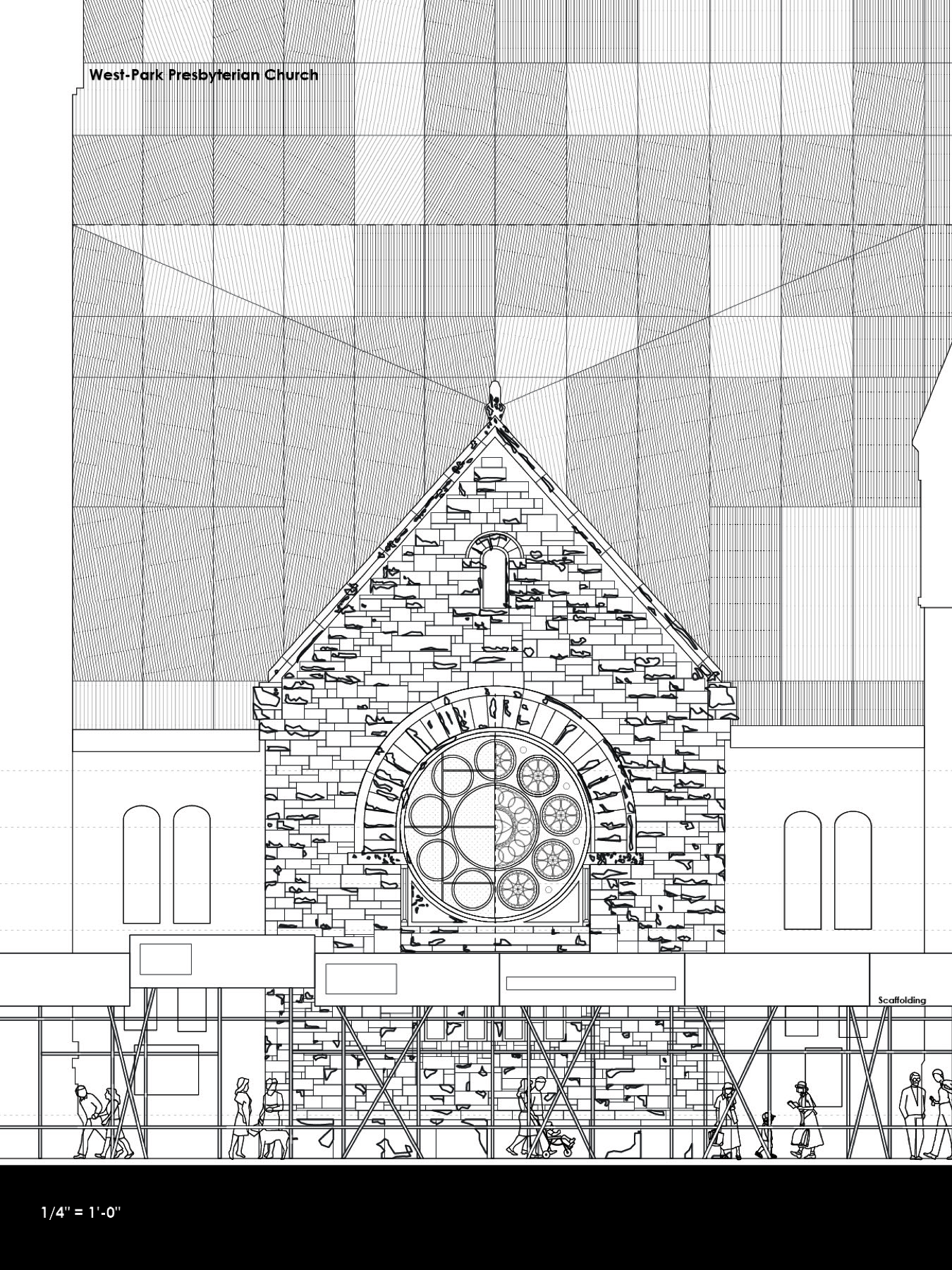
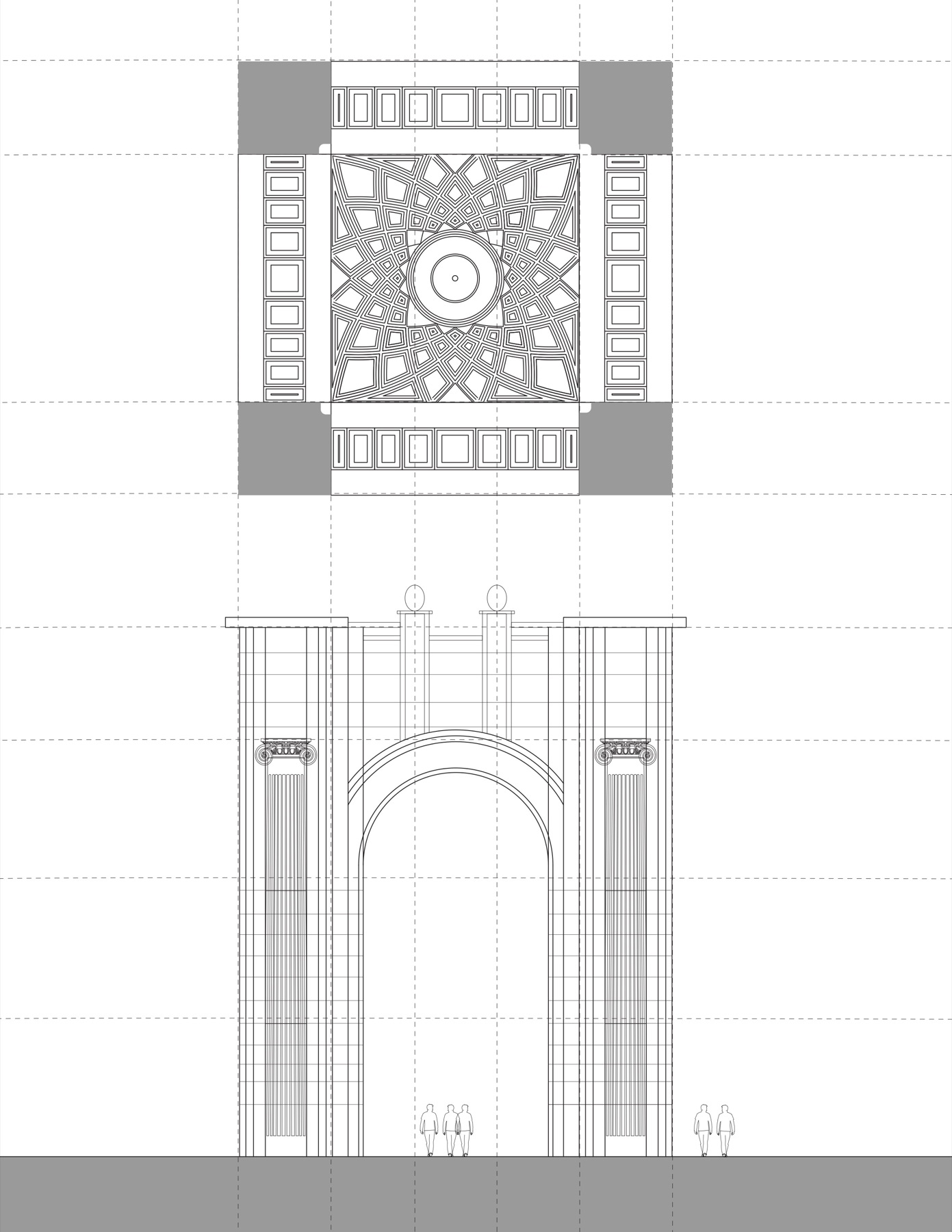
As part of the design process, I conducted case studies of significant New York City landmarks to understand the complex relationship between heritage preservation, public engagement, and institutional presence.
Project notes
- Location: 315 & 317 Broadway, New York, NY
- Fall 2022 Studio Course, Prof. Rami Abou-Khalil
- Type: Mix-use
- Focus: Public Space Programming, Historic Preservation Strategy
- Collaborative project with Linxi Zhang
Tools & methods
- Rhino & V-Ray
- Adobe Suites
- Historic Preservation Strategy
- Public Space Programming
Recycle Sphere
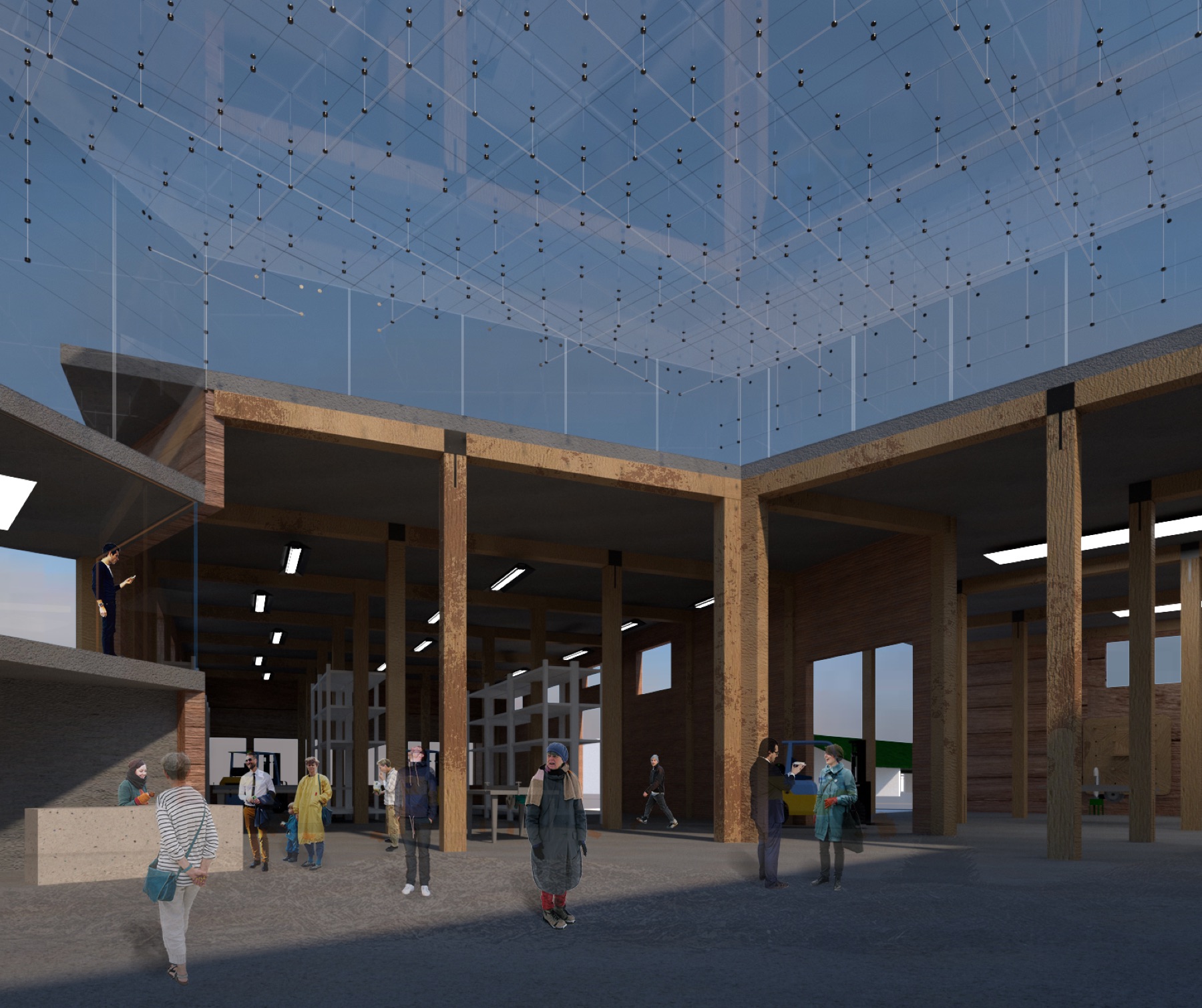
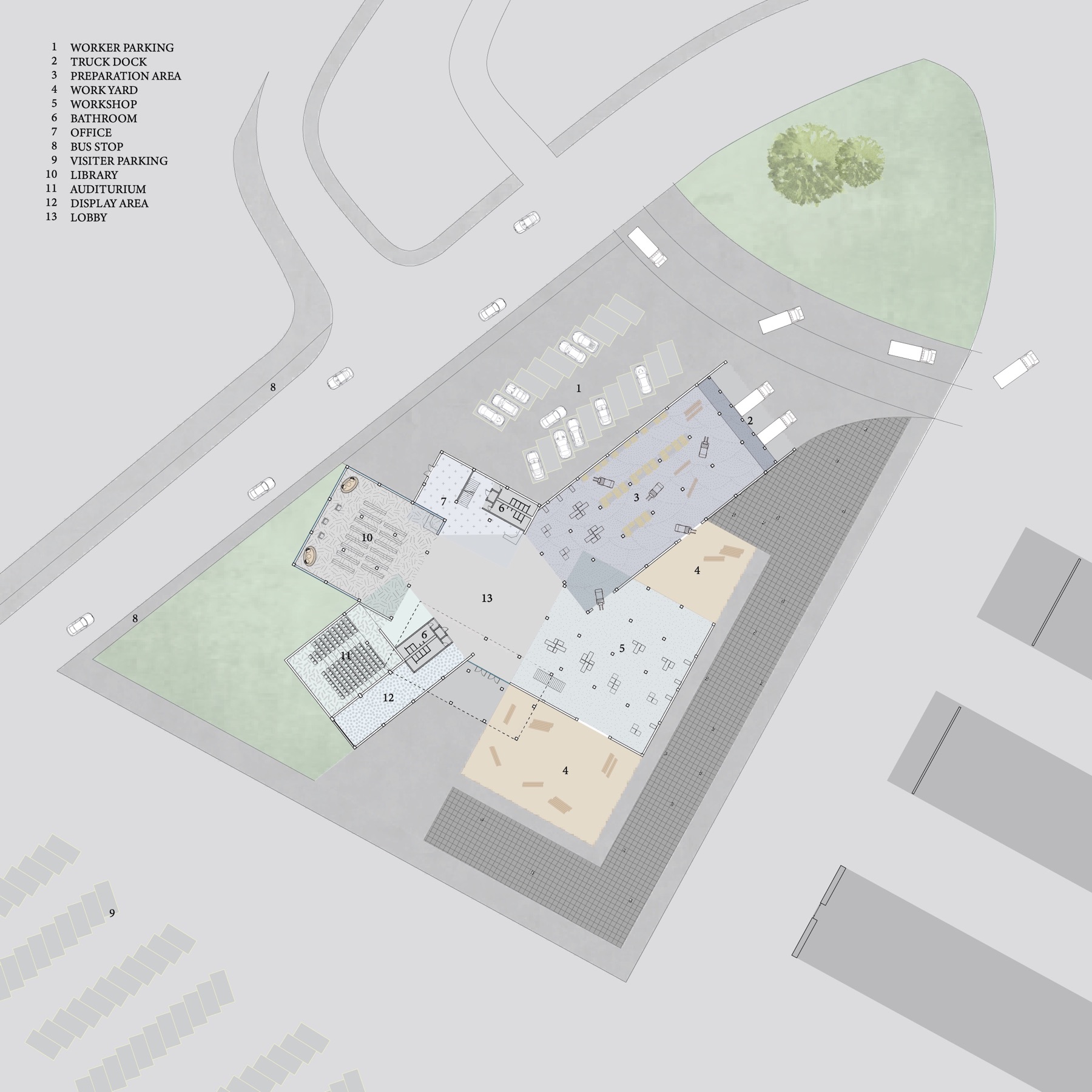
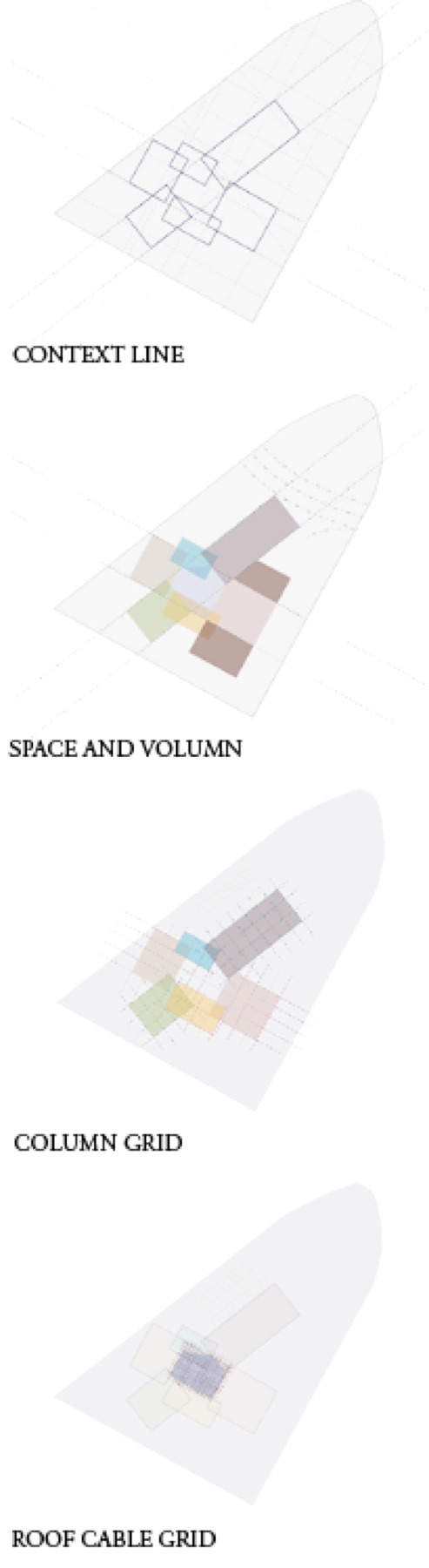
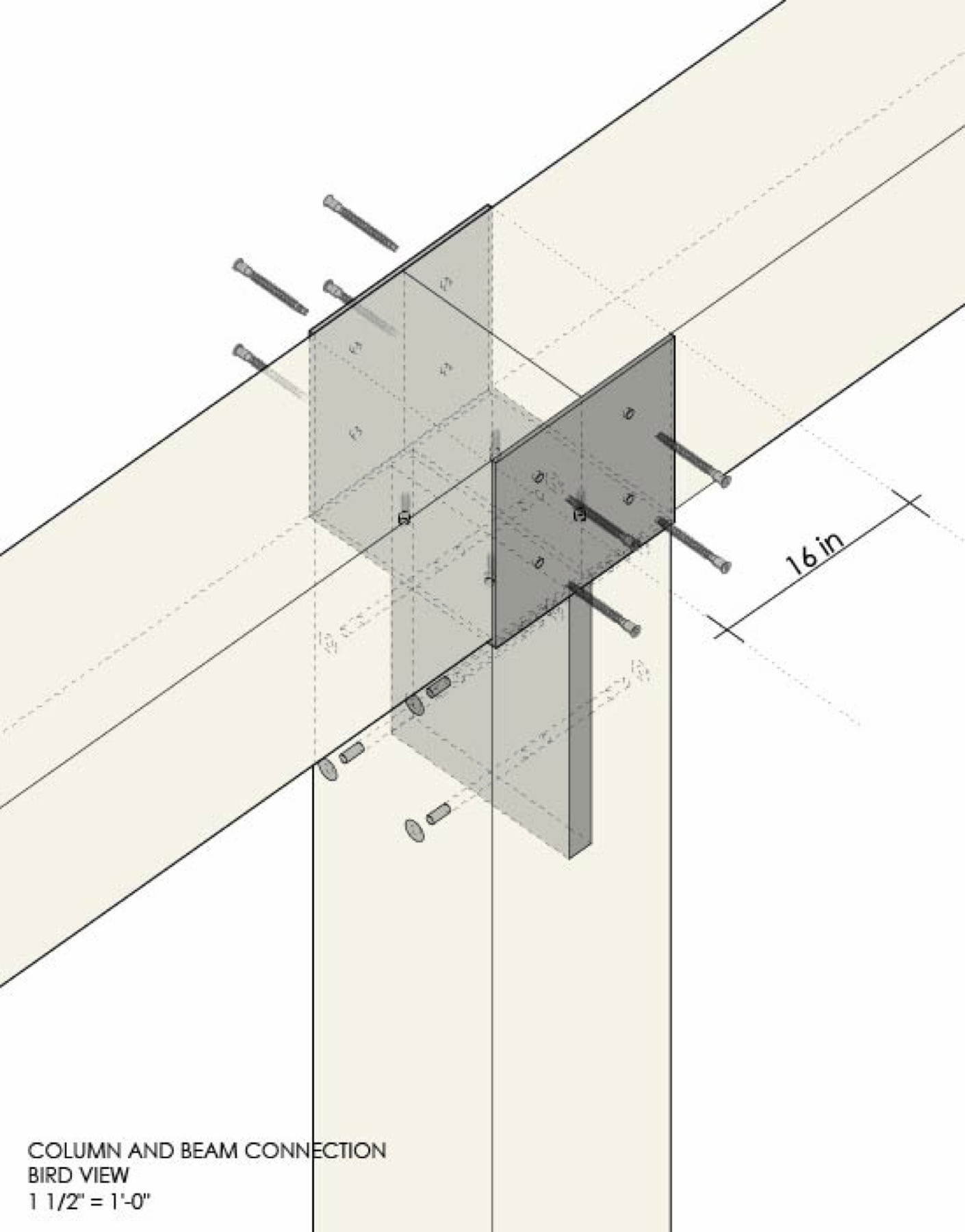
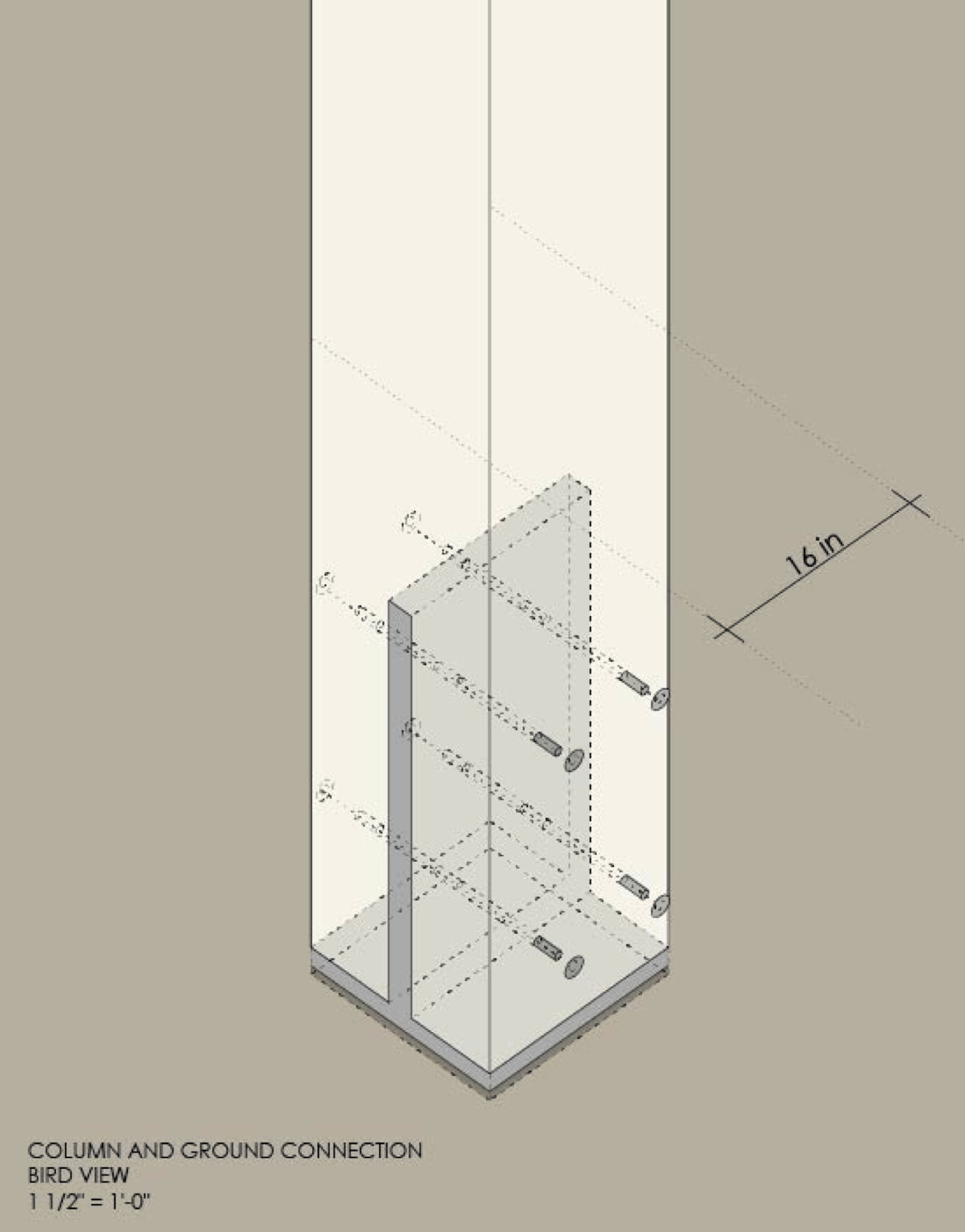
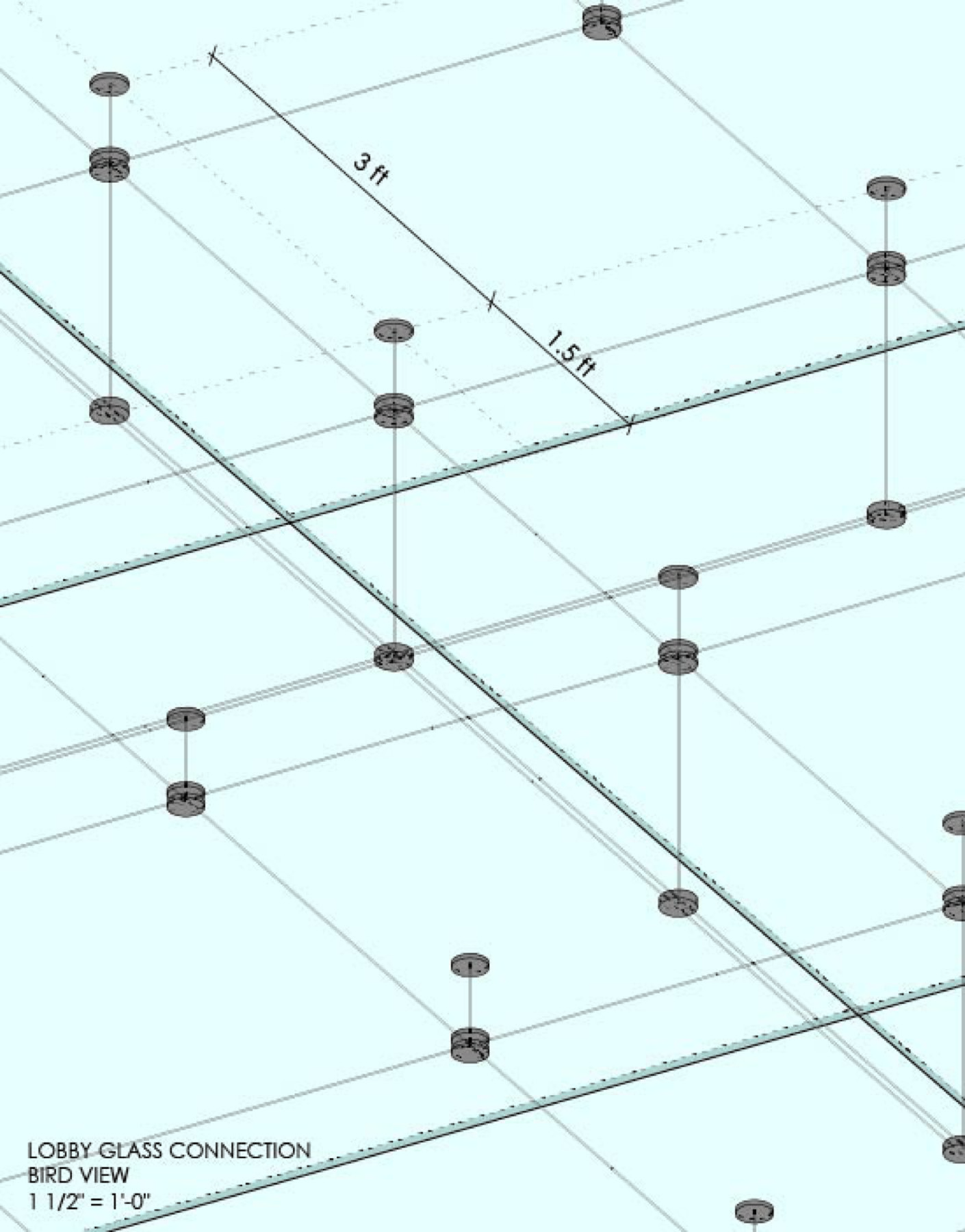
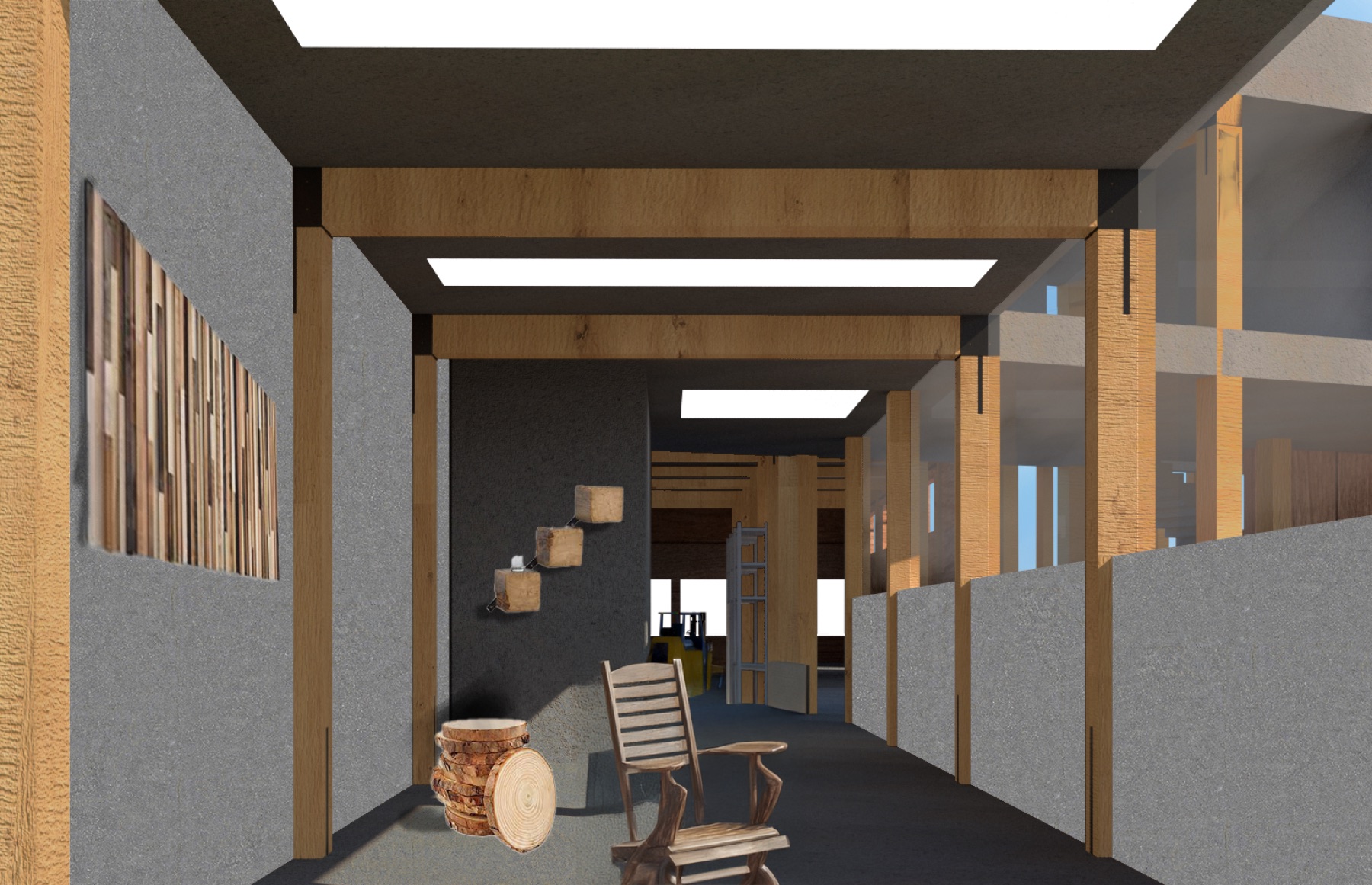
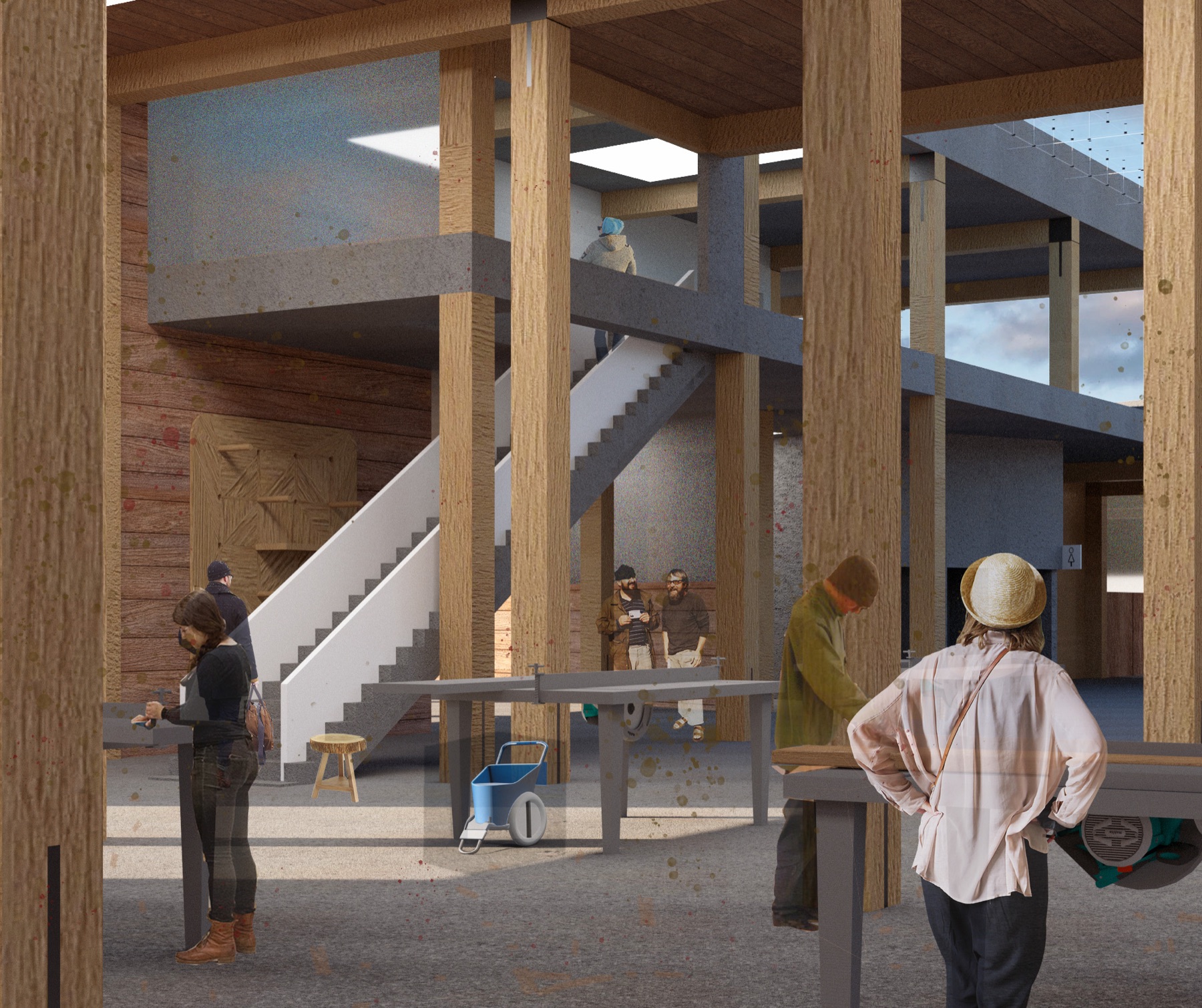
Recycle Sphere is envisioned as both a material recycling hub and a community center. Upon entering the lobby, visitors can immediately see every program within the project, as the overlapping of simple geometries creates a dynamic and inviting central space. The design encourages community members to walk in freely and explore in any direction.
Workshops open toward the CNY Regional Market, while the library faces the Walsh Regional Transportation Center—strategic placements that create strong visual and physical connections with the surrounding context.
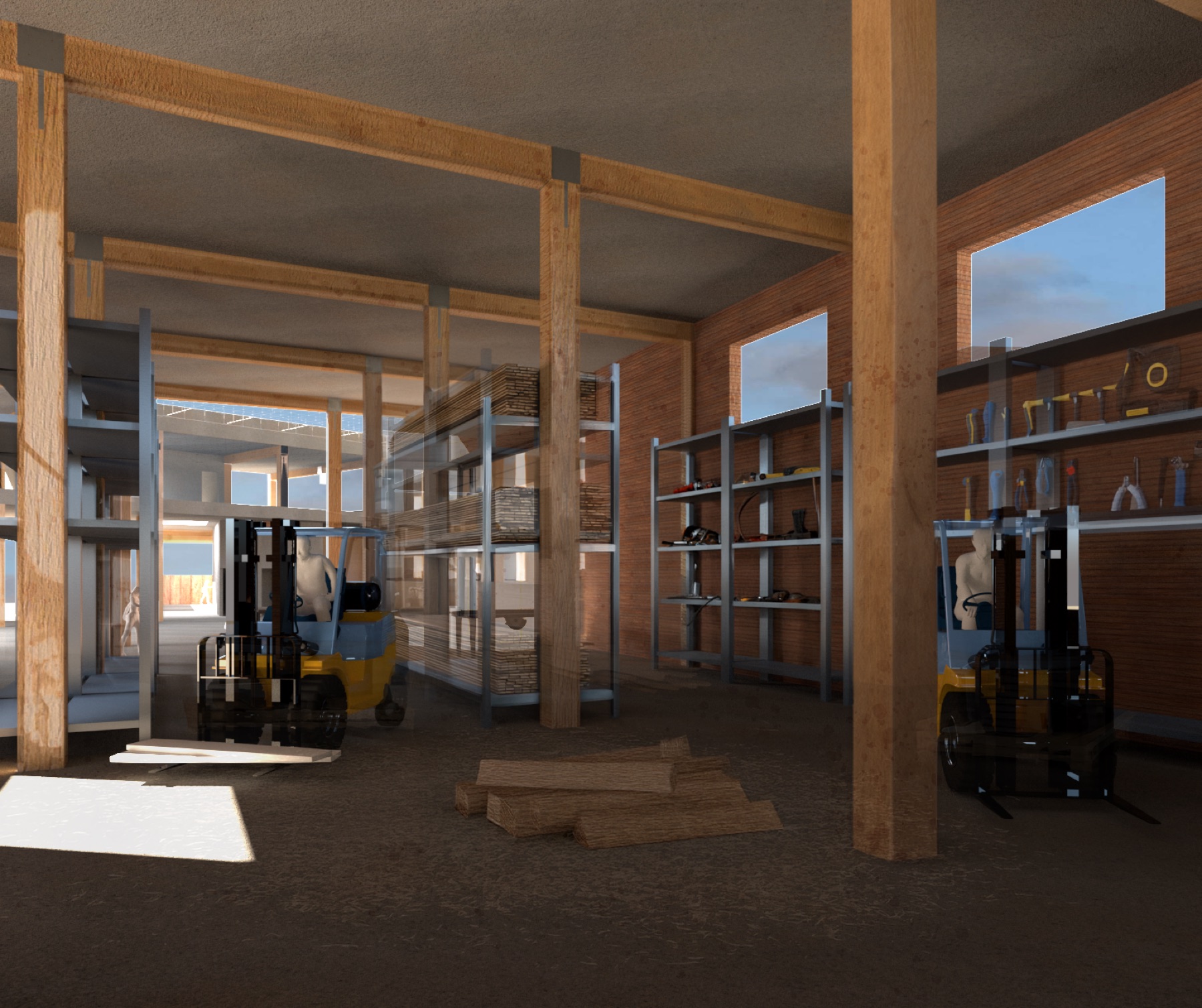
As part of the design process, I visited a local wood recycling center and conducted research on its circulation patterns and operational workflows. These observations informed the spatial strategies of Recycle Sphere.
Project notes
- Location: CNY Regional Market, Syracuse, NY
- Fall 2021 Studio Course Prof. Terrance Goode
- Type: Community Center, Sustainable Design
- Focus: Circular Economy, Recycling Strategy
Tools & methods
- Rhino & V-Ray
- Adobe Suites
- Systems Diagramming
- Community Outreach Research
- Sustainability Strategy
New York Archive
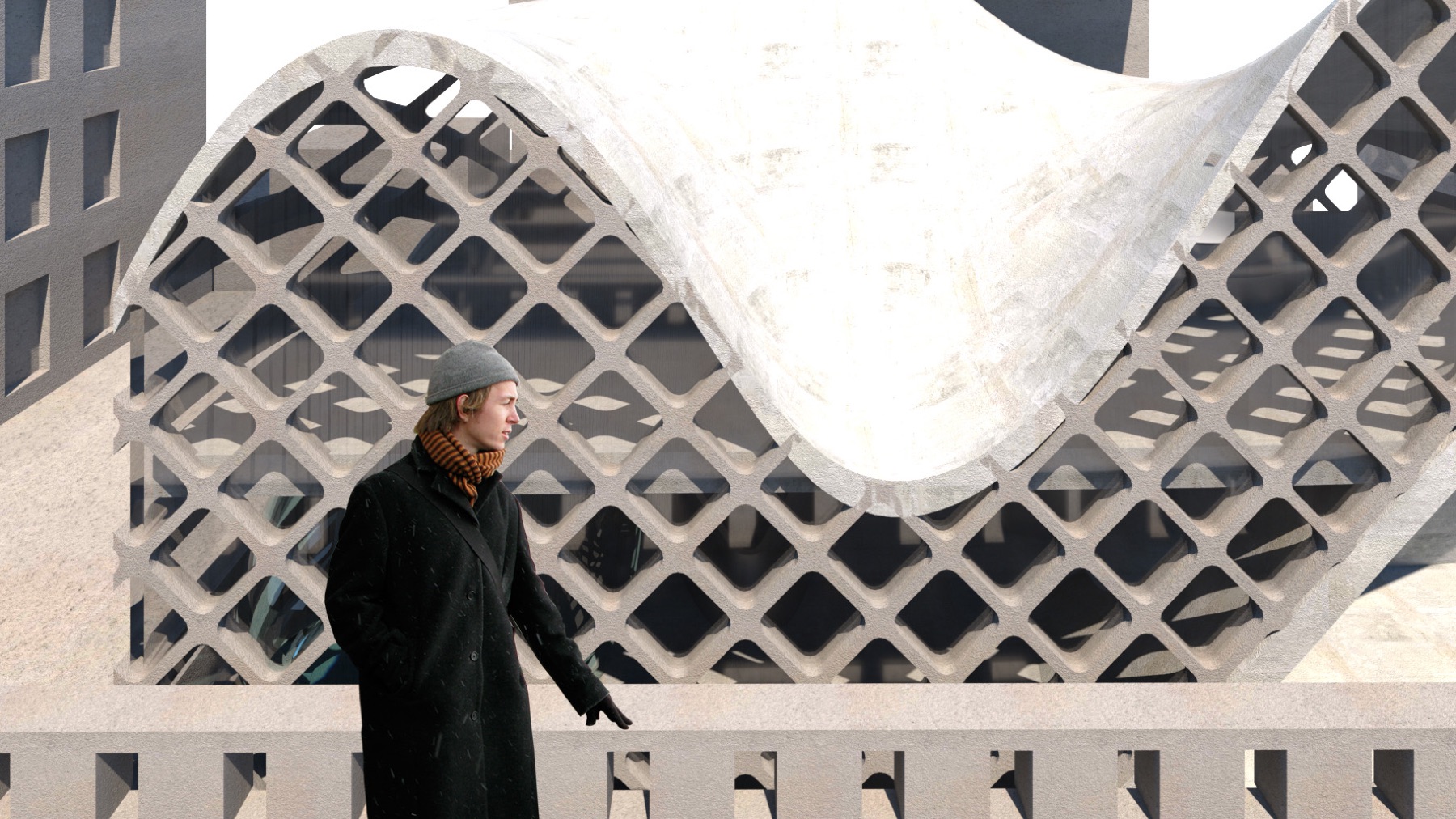
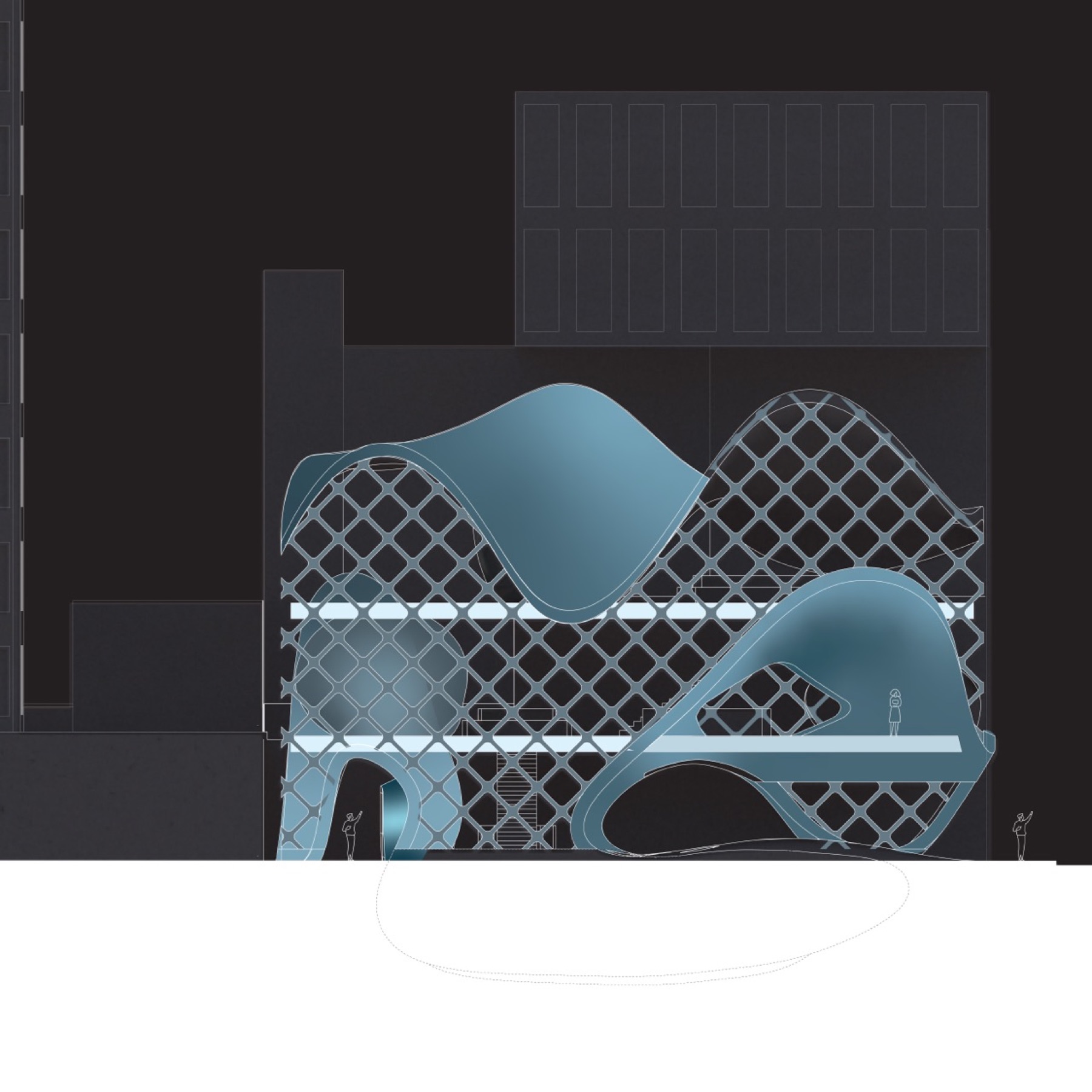
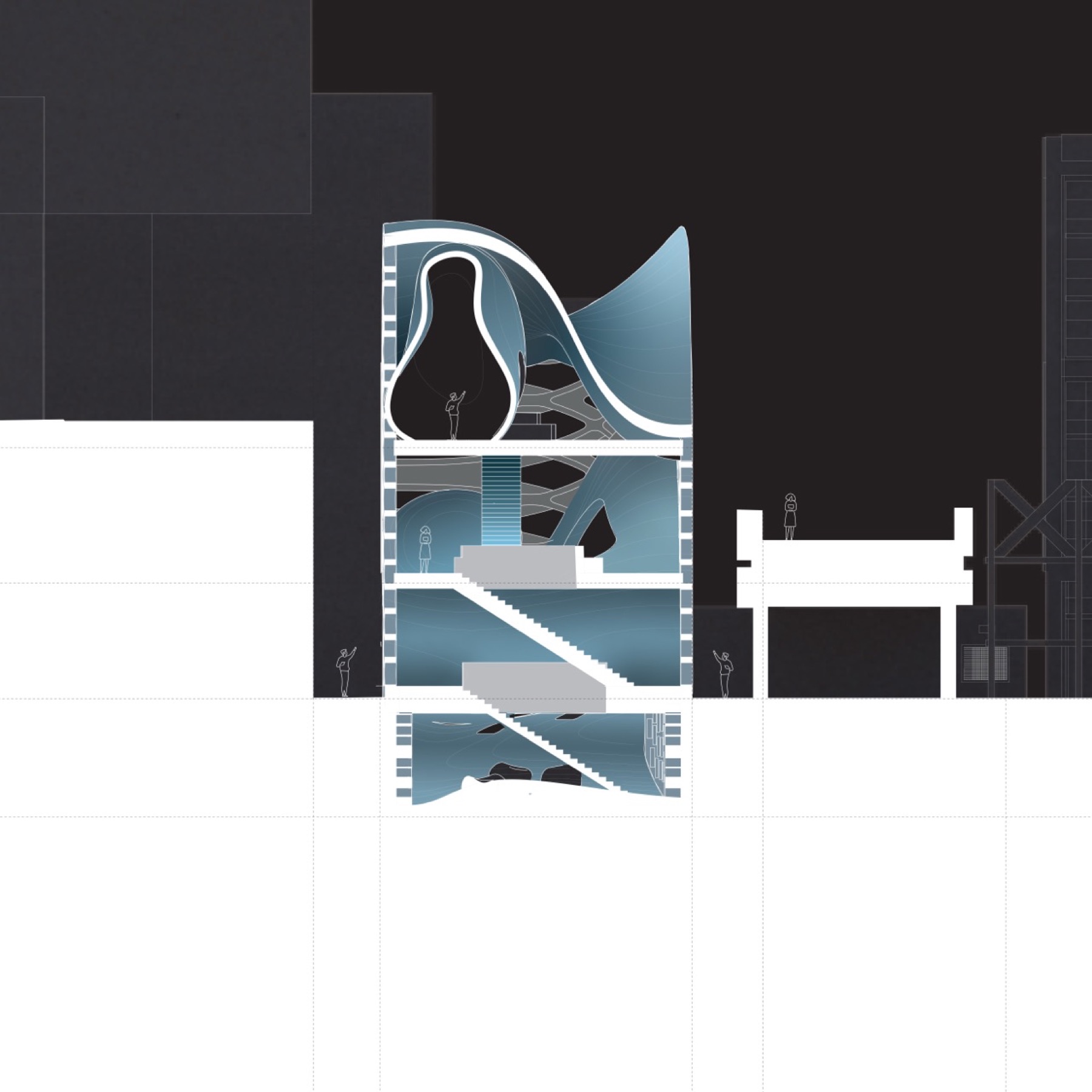
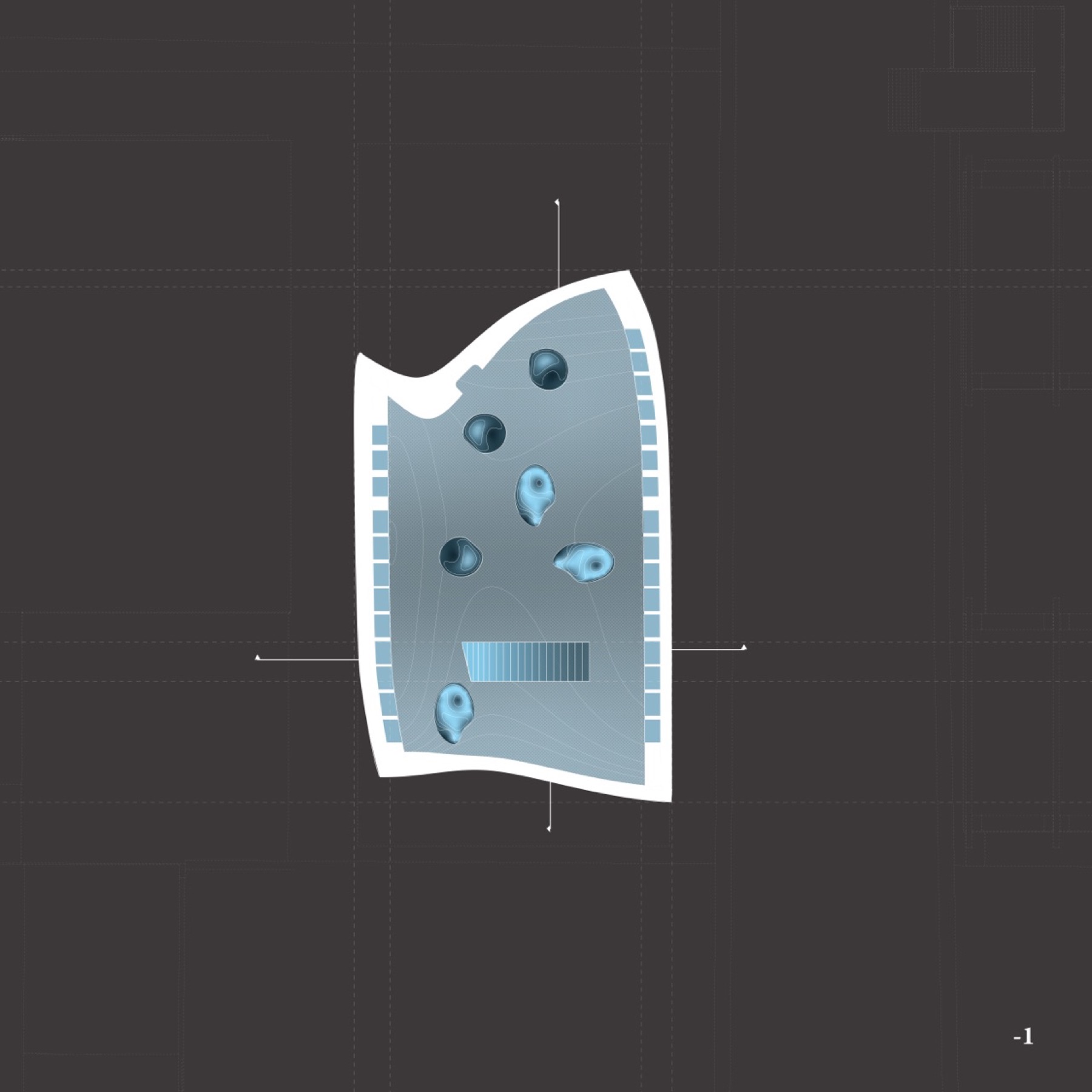
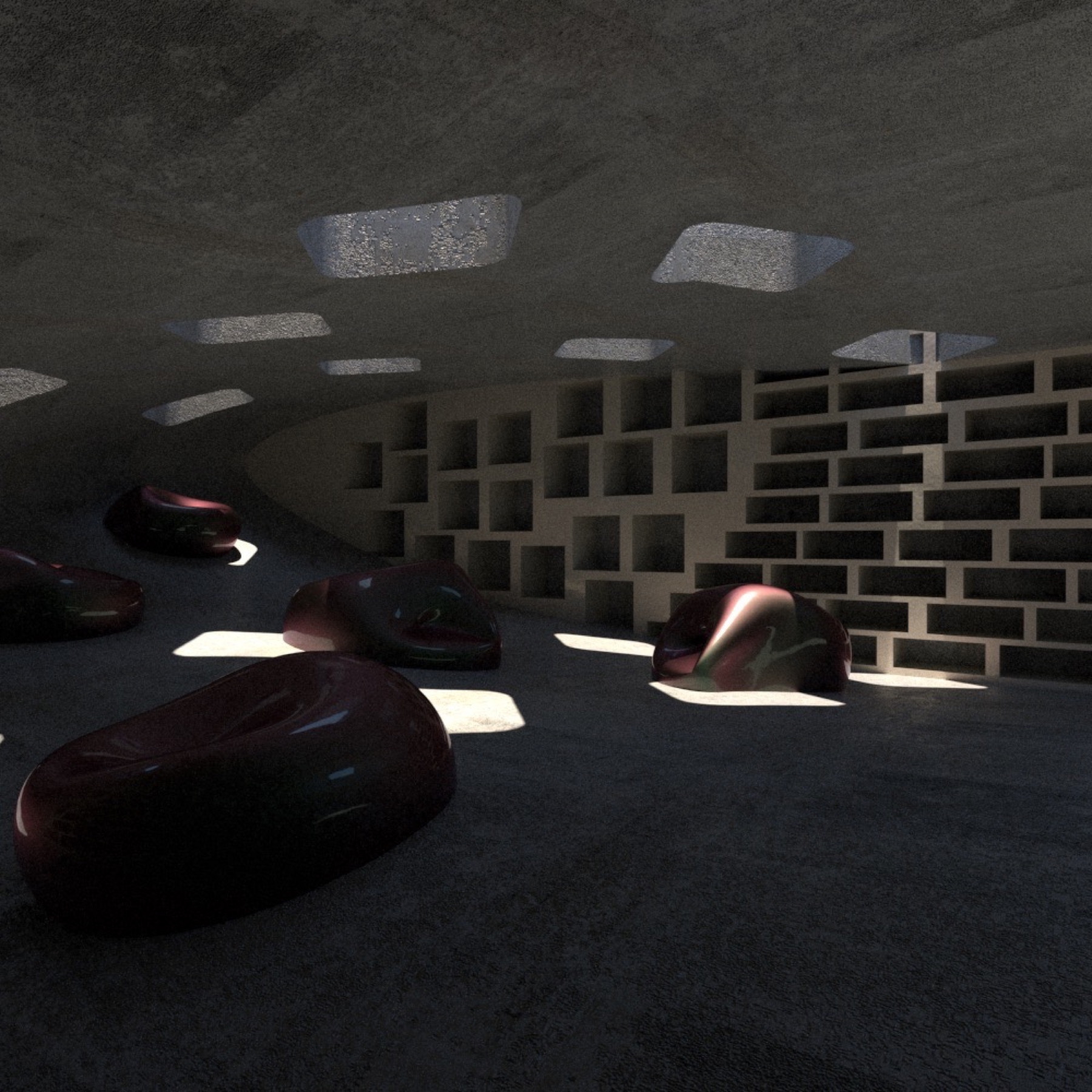
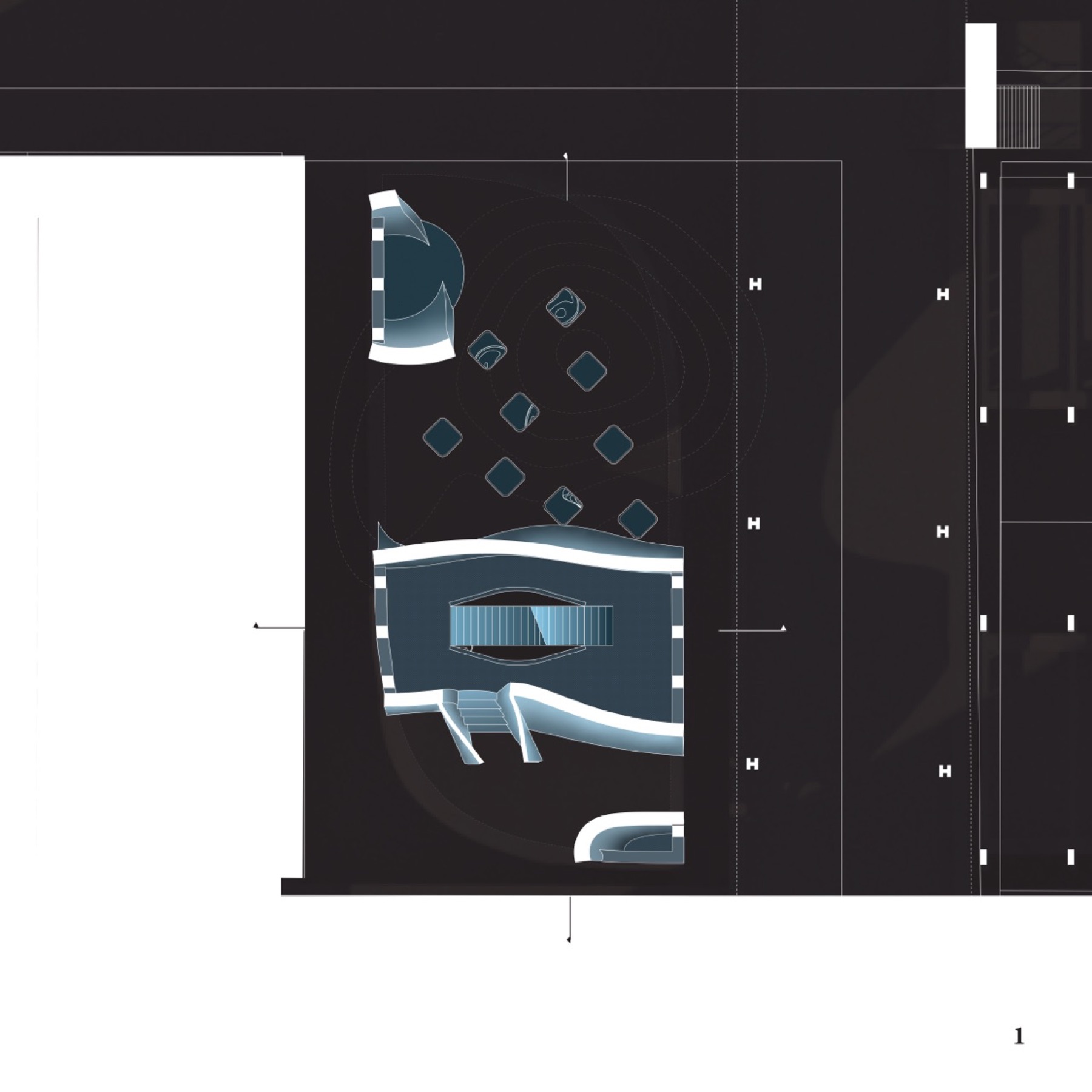
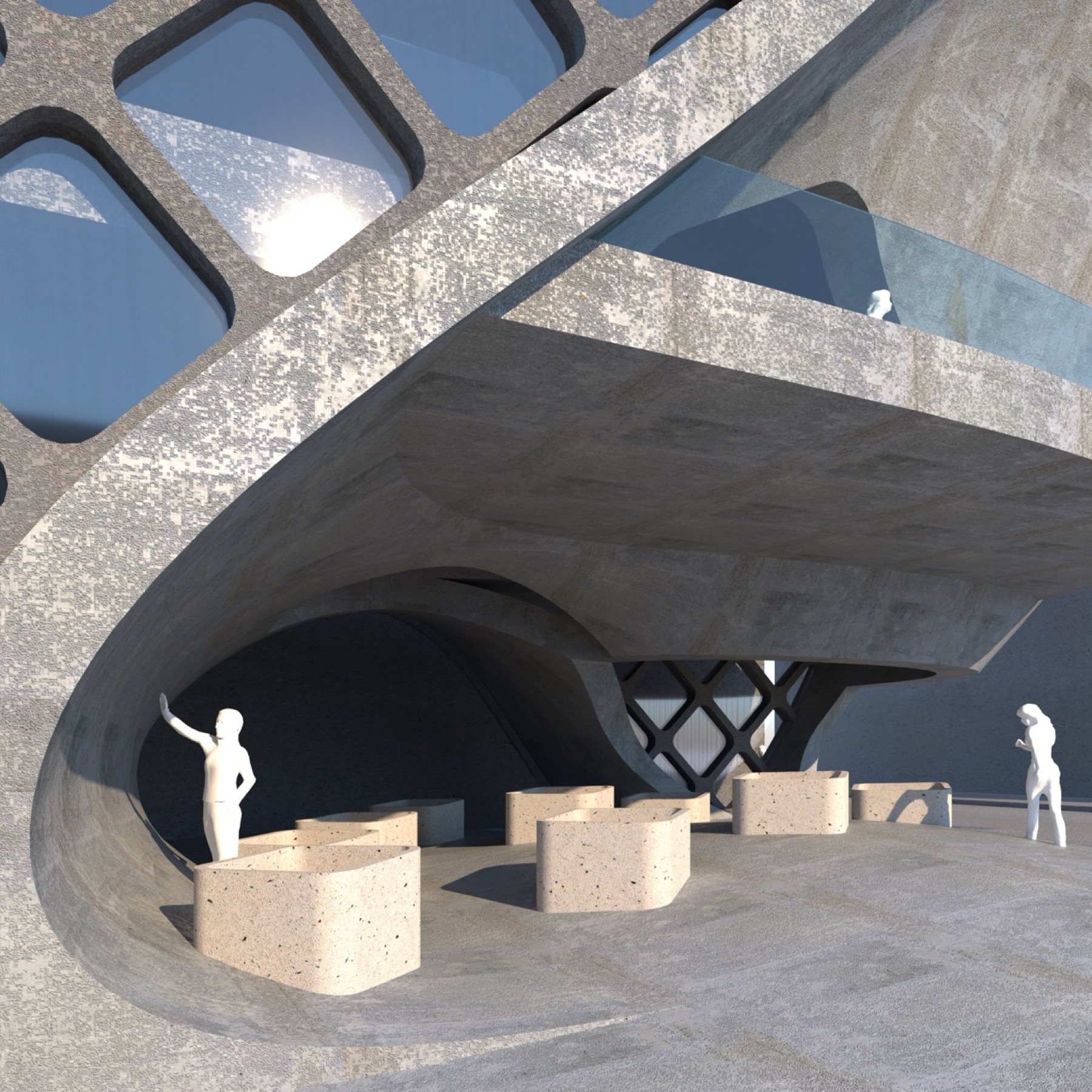
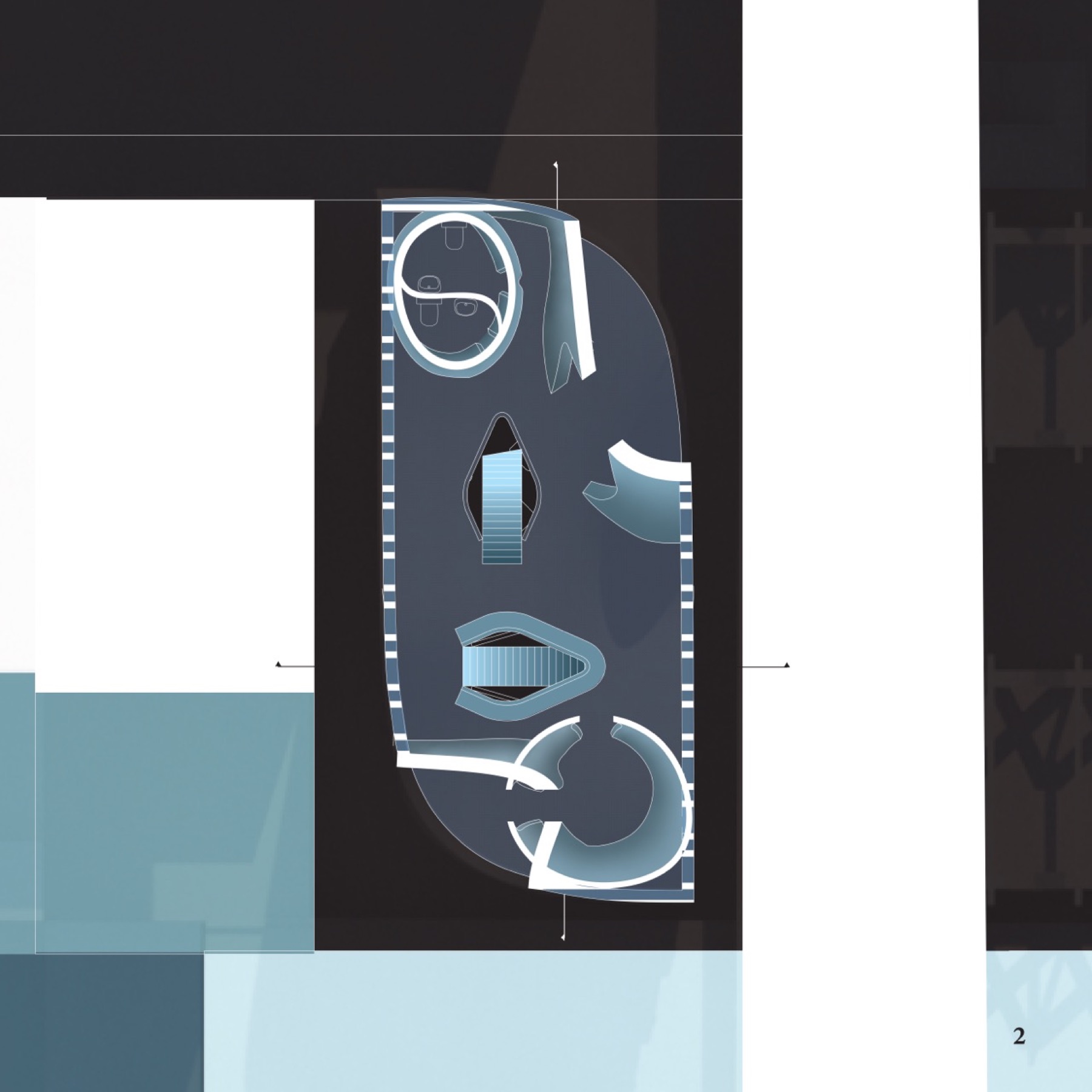
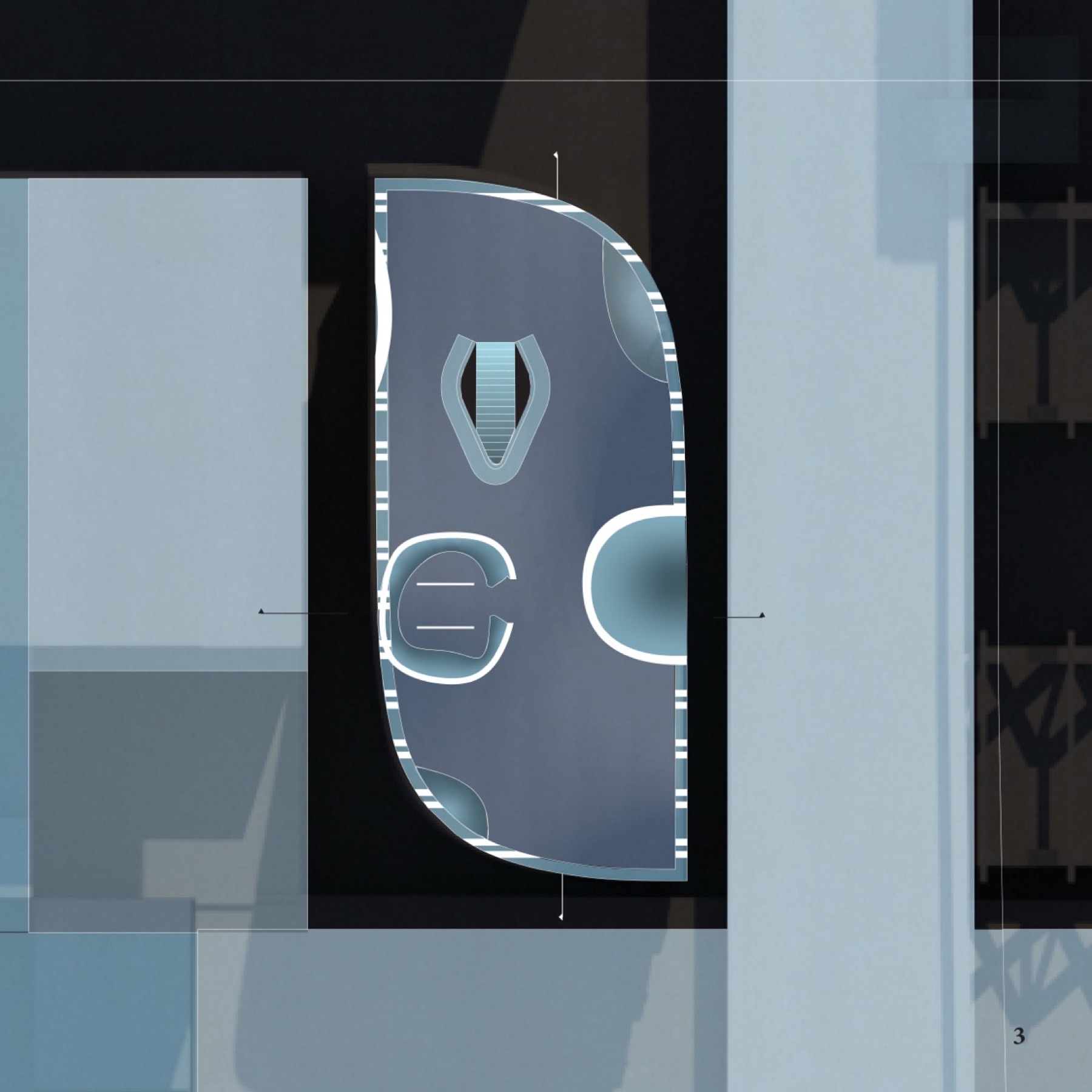
A gallery and archival space in New York that choreographs movement, display, and preservation. The design balances controlled environmental zones for storage with fluid public circulation for exhibitions and events.
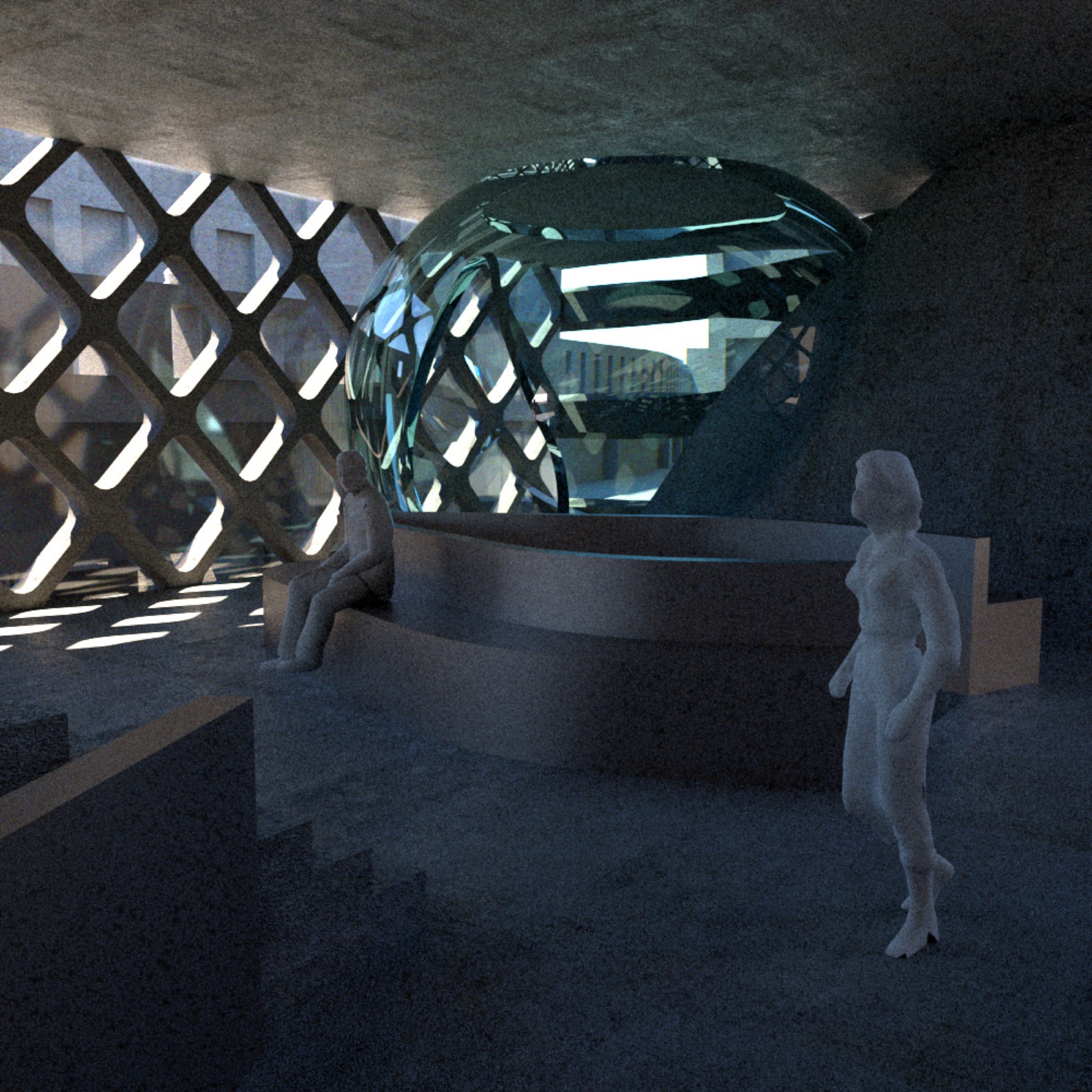
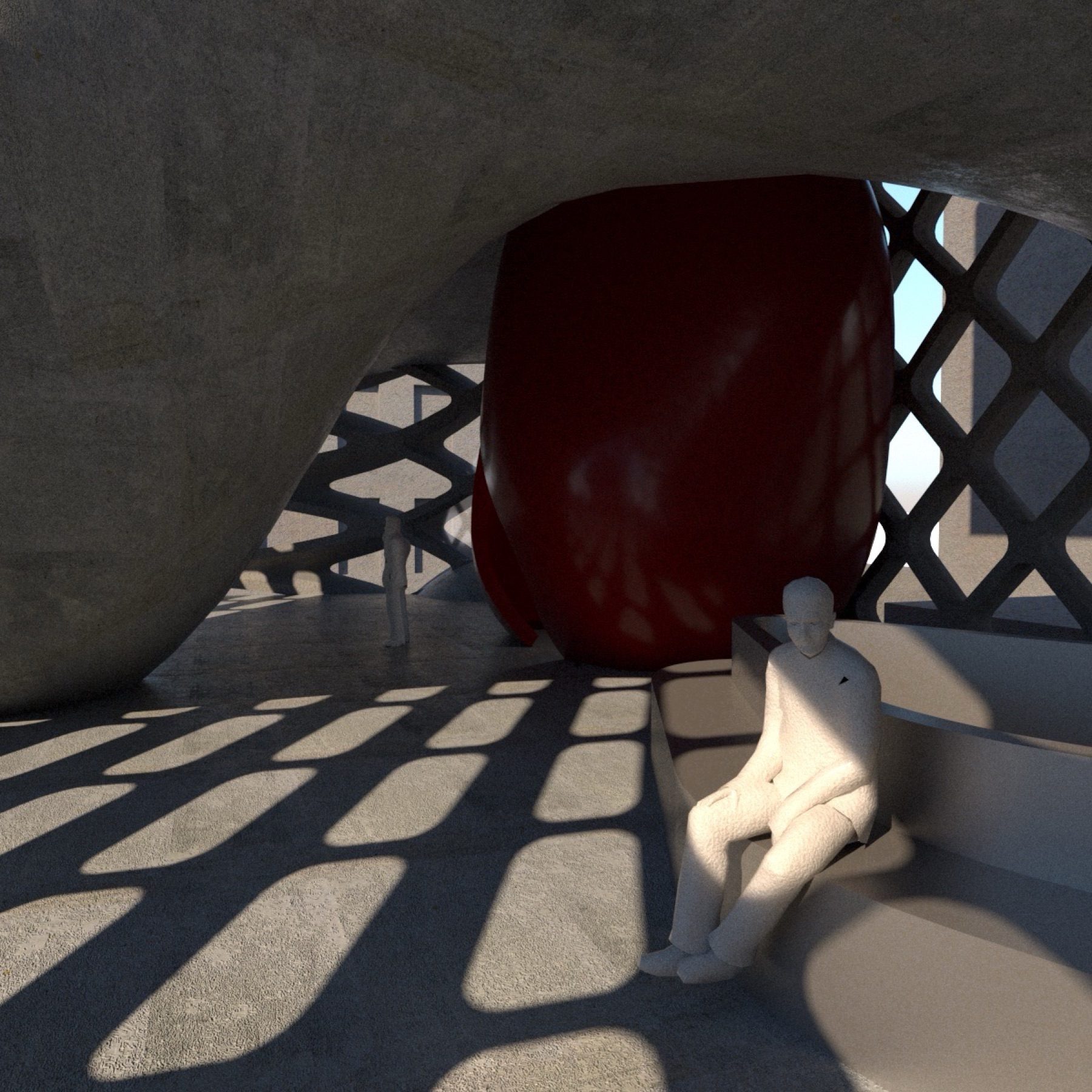
The overall look of the project challenges the context of the city. Other buildings are rectangular and formalized in contrast to this curvy form. The main idea of the project is about the rational dynamic curvy form.
The facade for the project is a screen diamond system that can allow enough light for the upper ground part of the project. It also brings the whole mass feeling for the project. Furthermore, the facade plays more with the light with the diamond system.
Project notes
- Location: New York, NY
- Fall 2020 Studio Course Prof. Anne Munly
- Type: Gallery/Archive Design
- Focus: Circulation & Curation
Tools & methods
- Rhino & V-Ray
- Adobe Suites
- Archival Program Strategy
Southside Community Arts Center
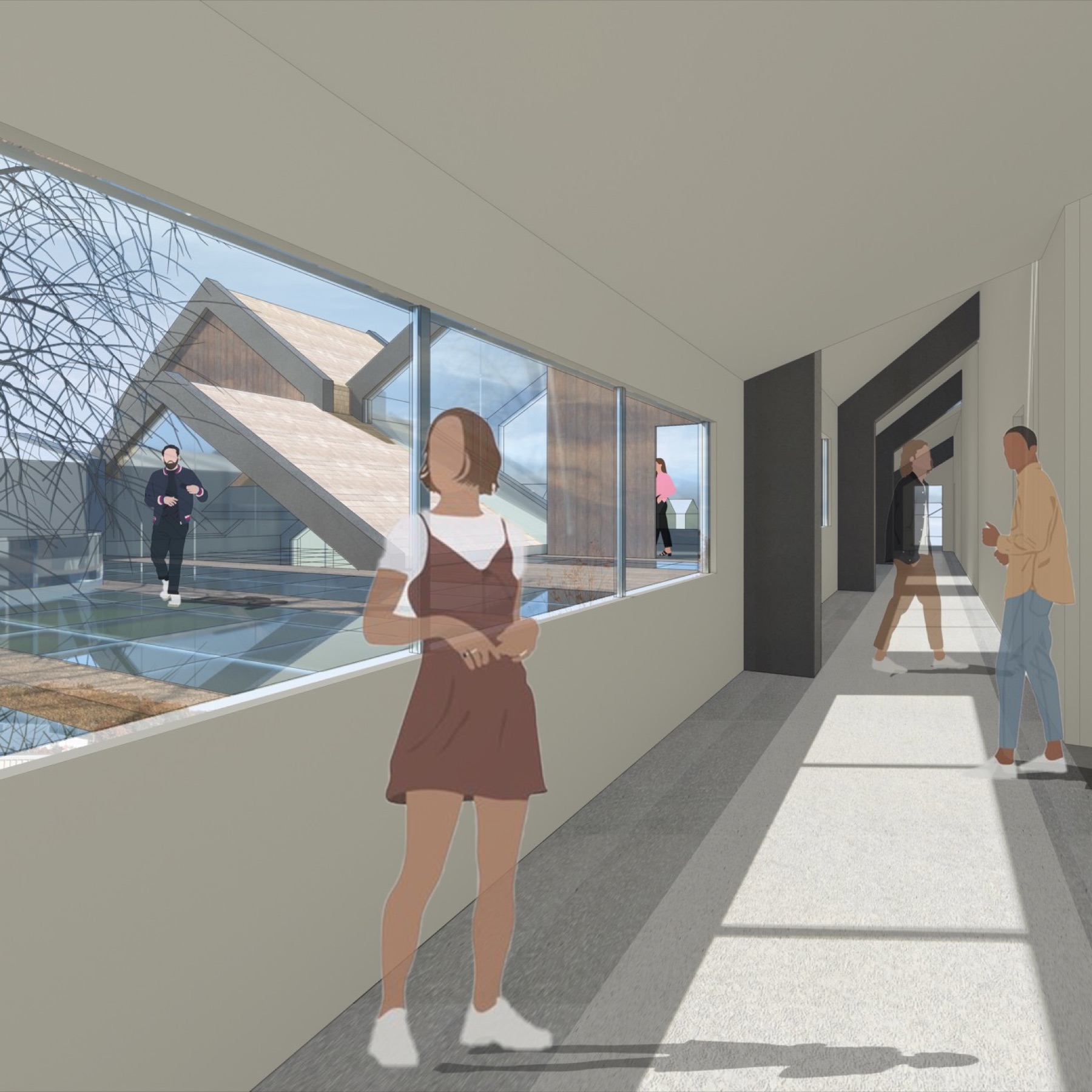
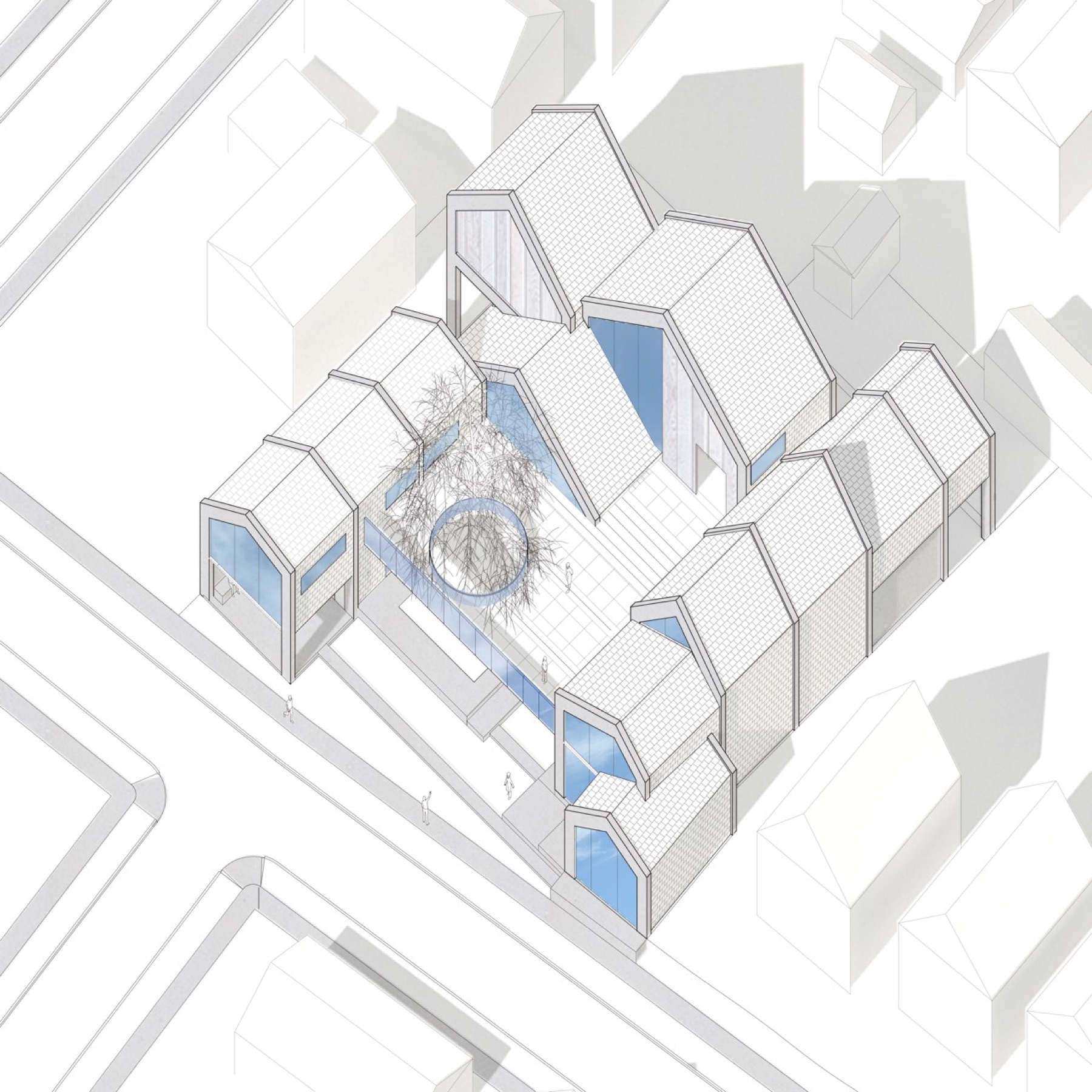
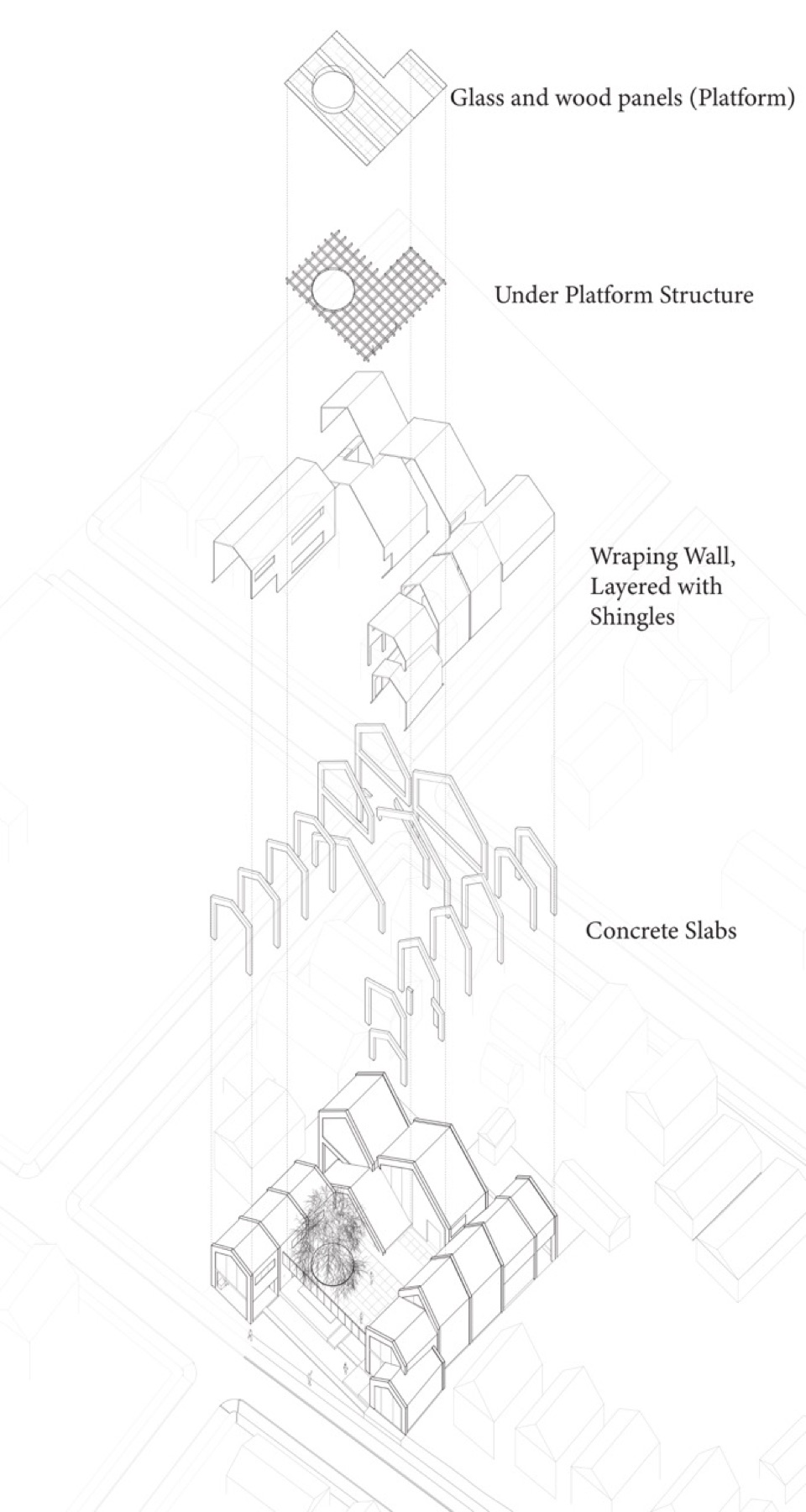
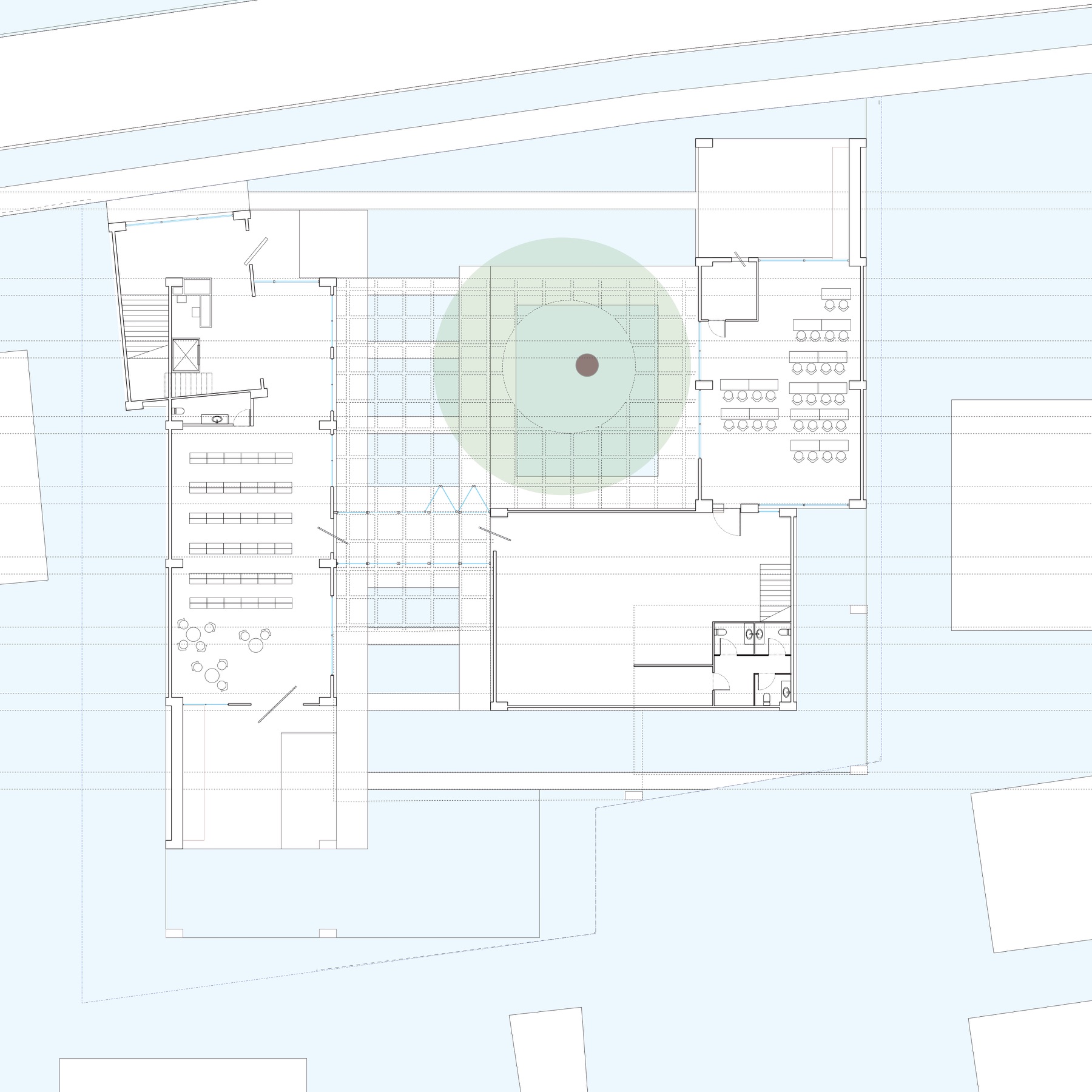
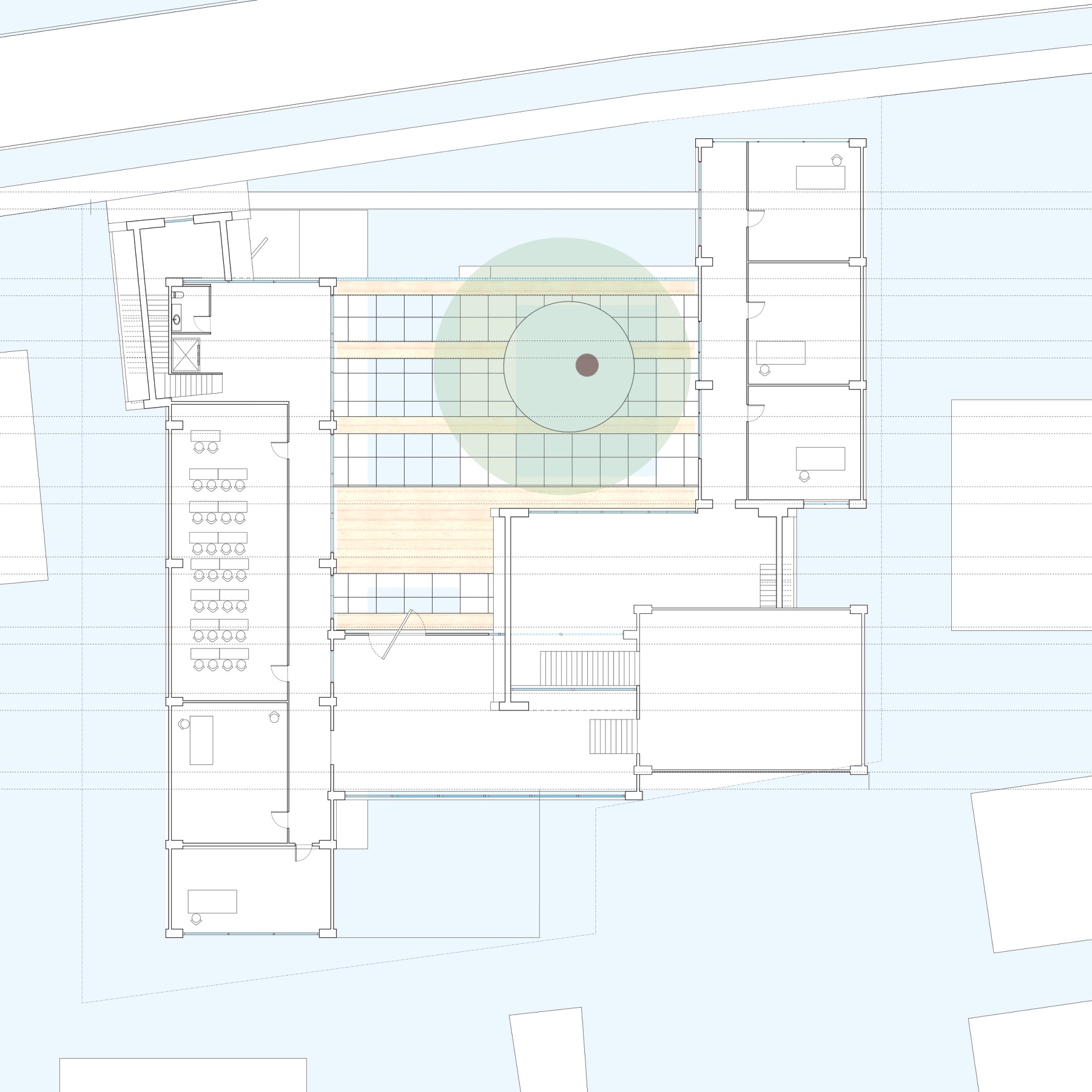
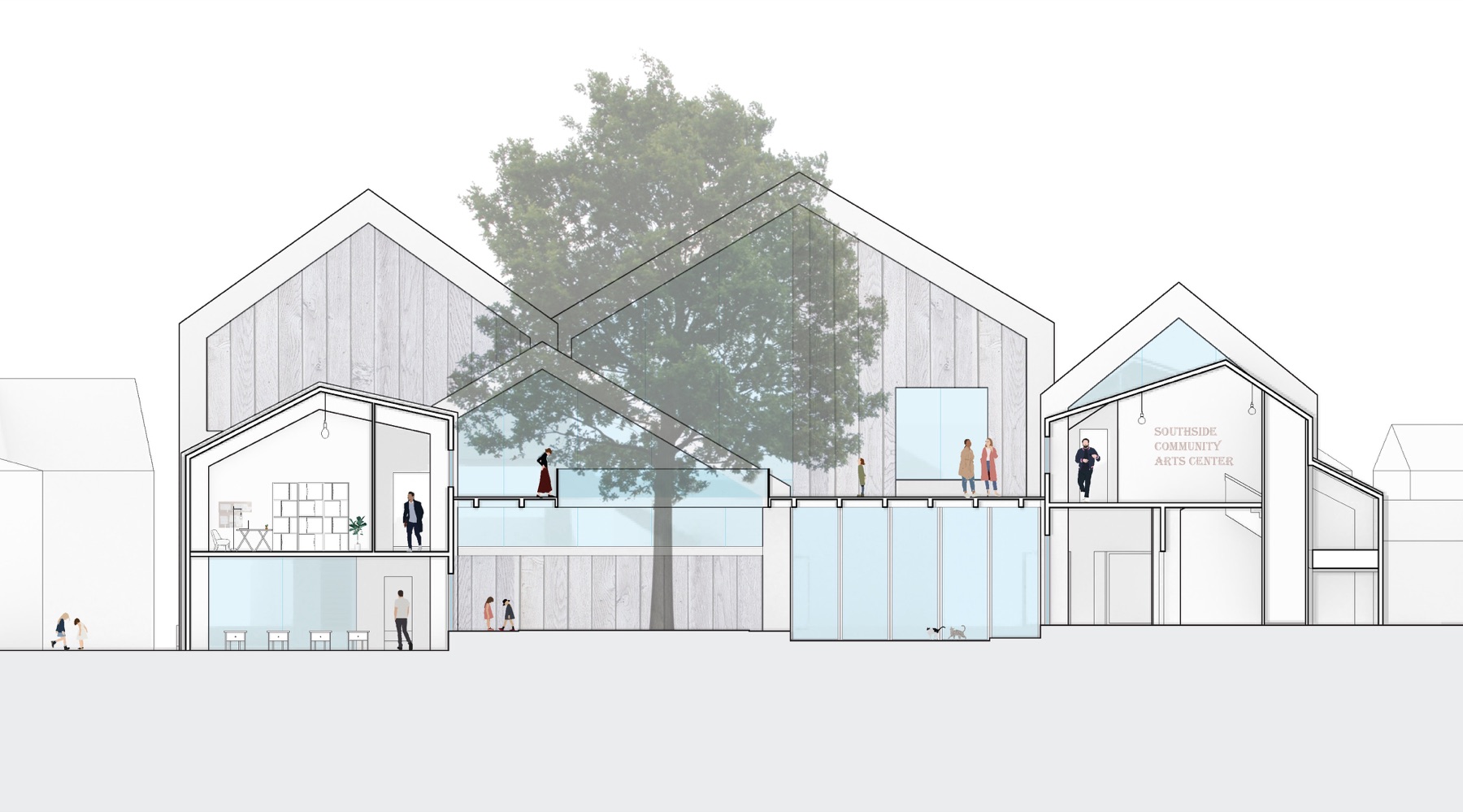
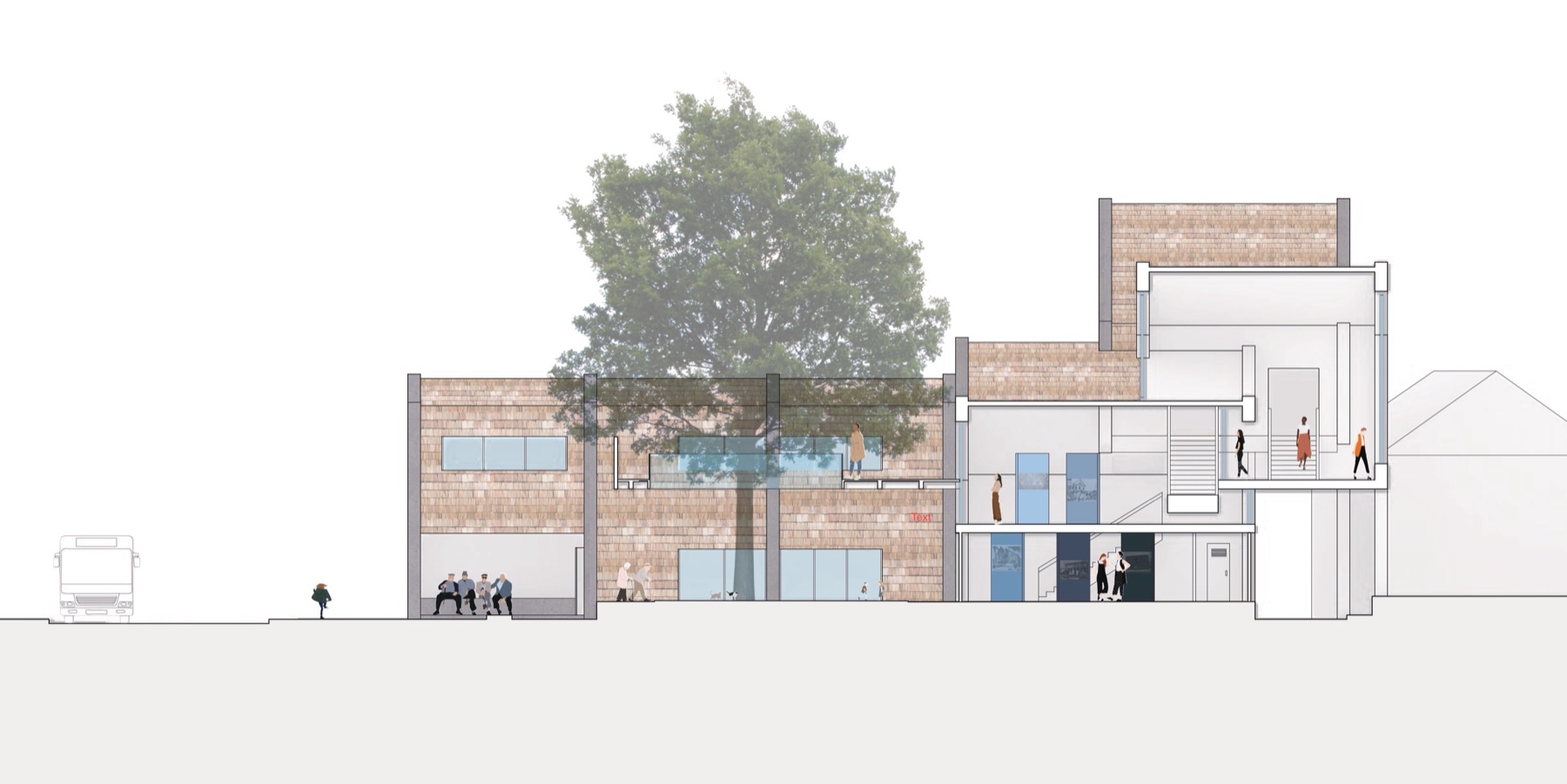
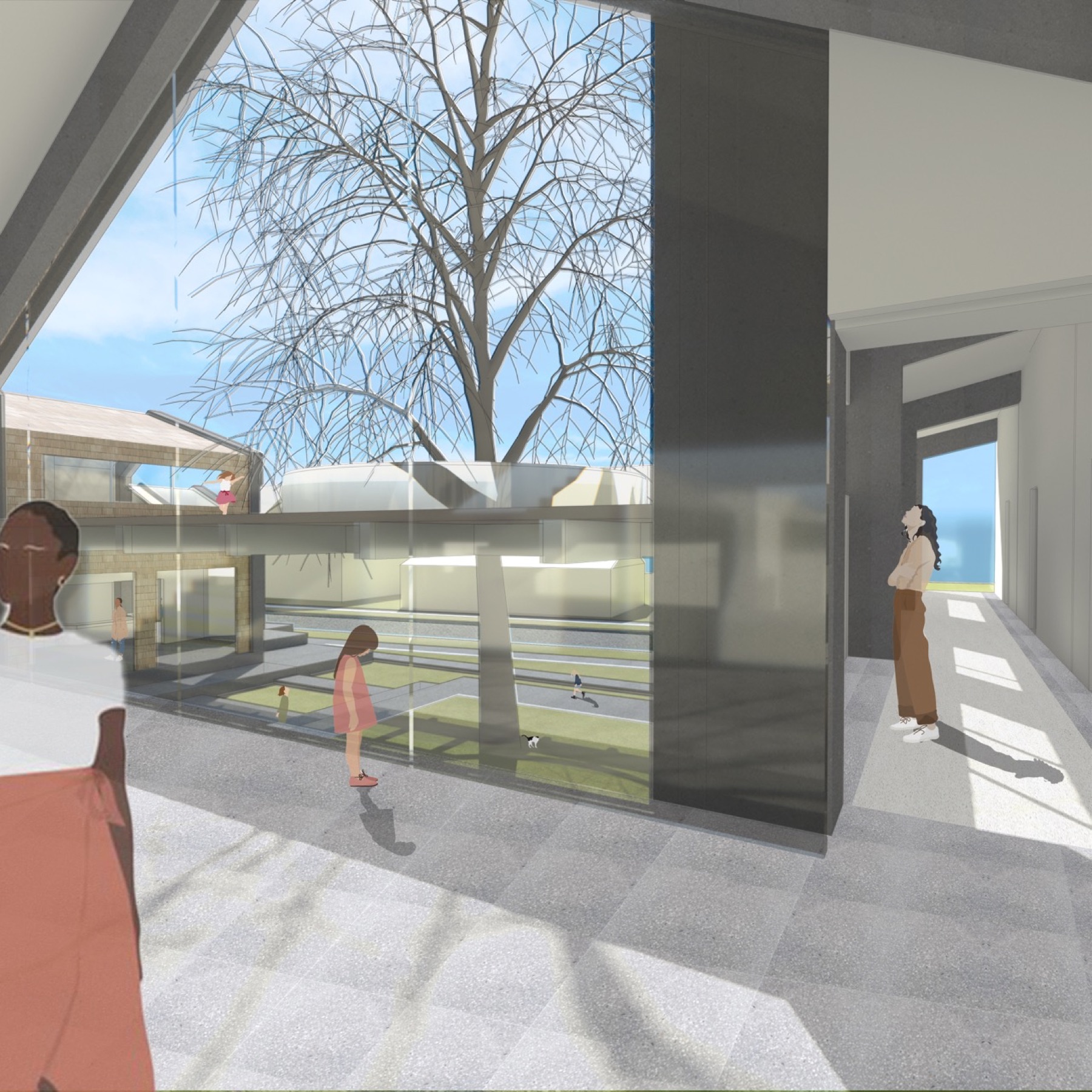
The Southside Community Arts Center is a community-focused arts center that serves as a cultural hub for the neighborhood. The design prioritizes accessibility and community engagement through flexible programming spaces. This project intend to create a community space which fits into the neighborhood. The form of different parts of the art community center is similar to the house in the neighborhood. Taken the pitched roof form and picked up the rhymes of the roofs around it.
Project notes
- Location: Brighton, Syracuse, NY
- Fall 2020 Studio Course, Prof. Sekou Cooke
- Type: Community Architecture
- Focus: Community Engagement, Flexible Spaces
Tools & methods
- Rhino & V-Ray
- Adobe Suites
- Community Engagement Planning
Residential Development
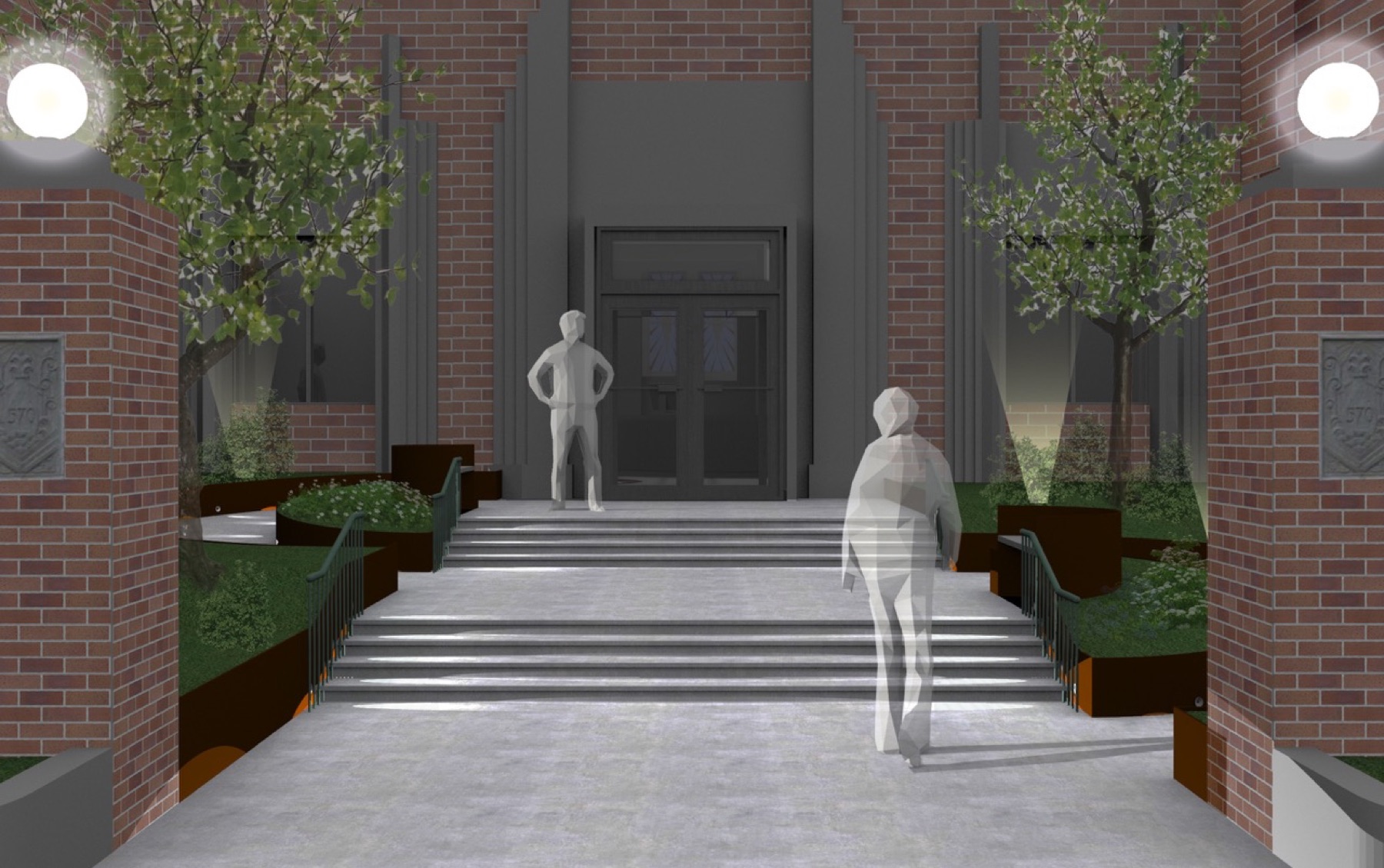
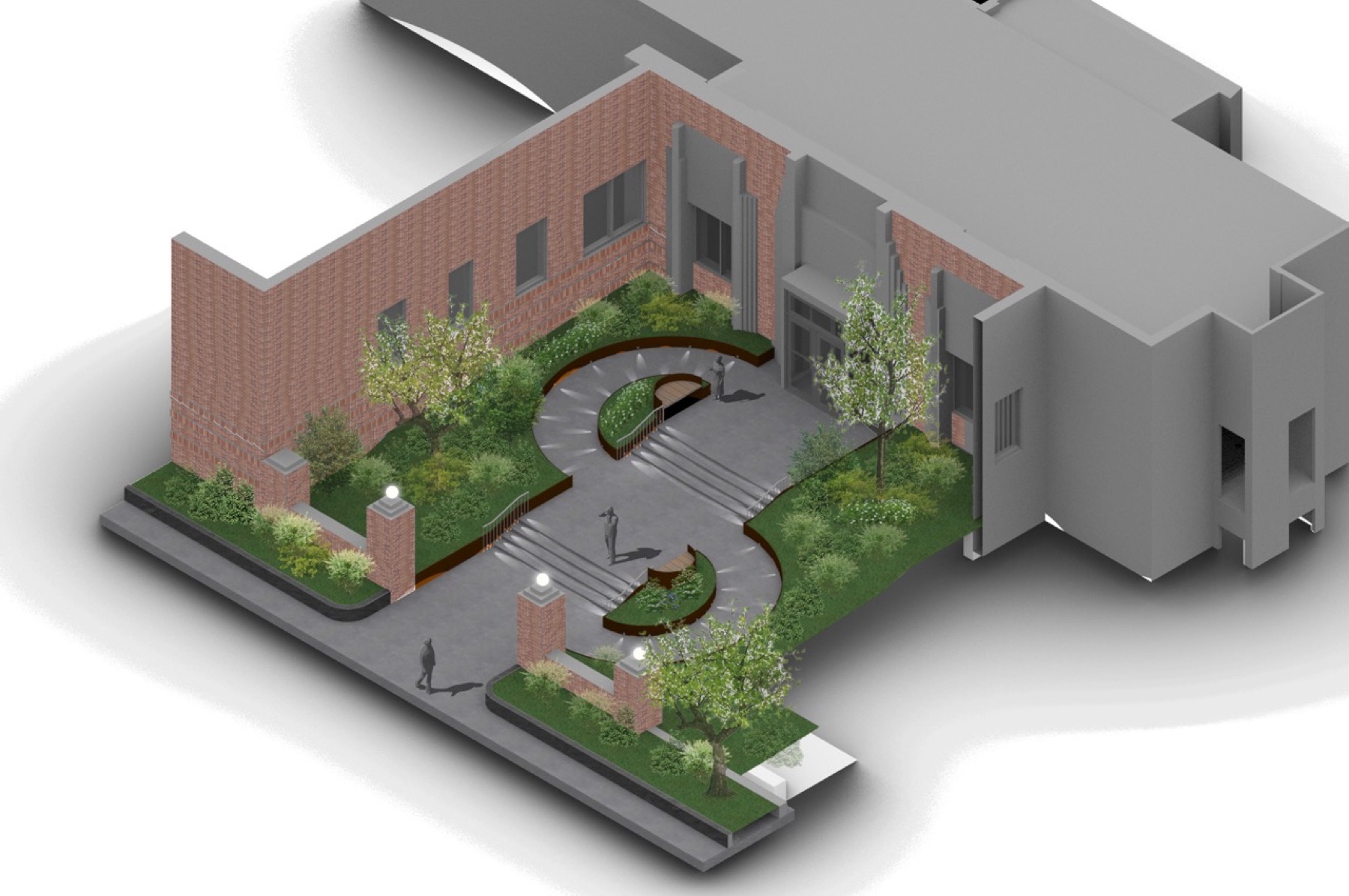
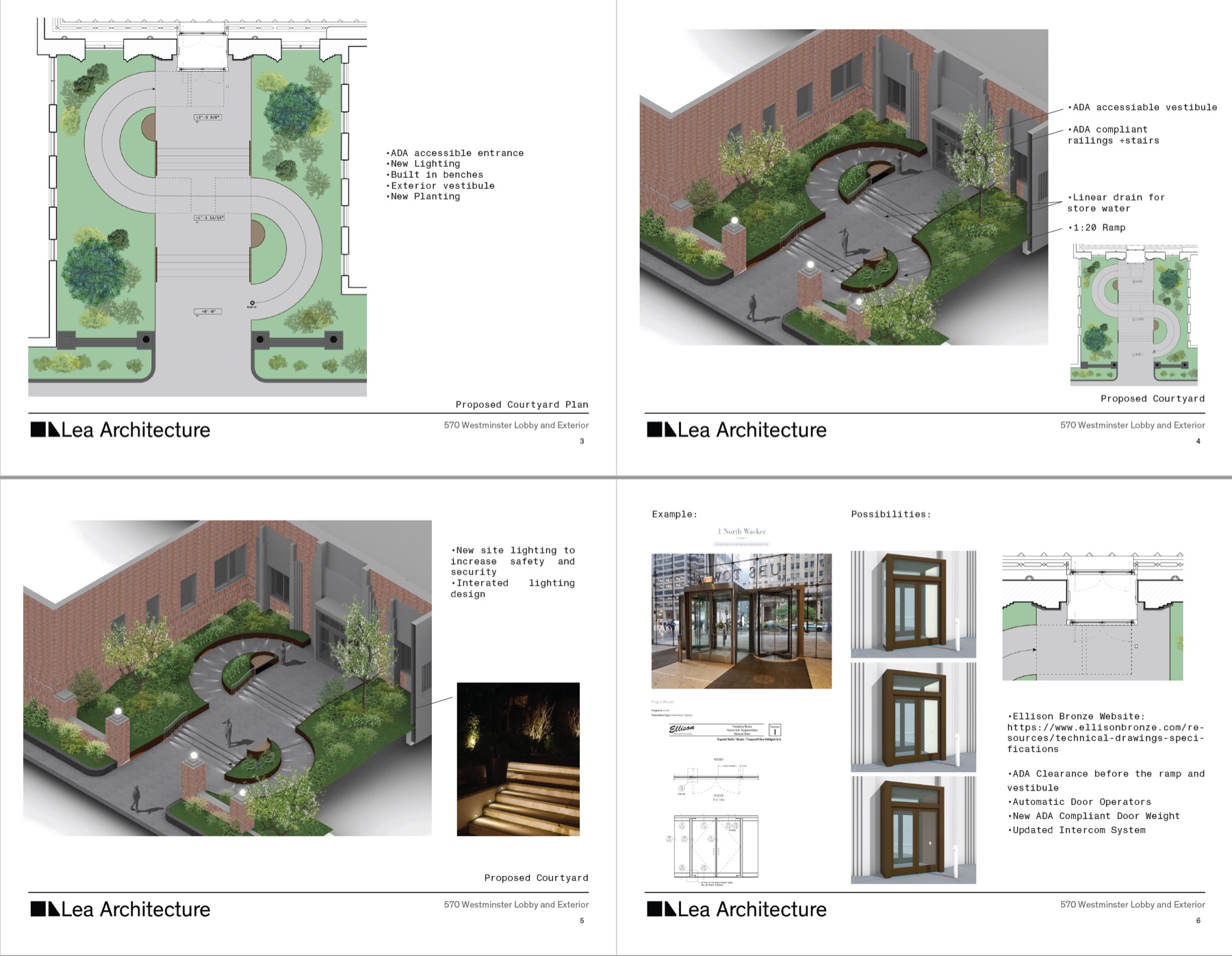
A comprehensive residential development project focusing on adaptive reuse and renovation strategies. The project transforms existing structures while maintaining their historical character.
Project notes
- Type: Residential Development
- Approach: Adaptive Reuse
- Focus: Renovation, Historical Preservation
- Credit to Lea Architecture
Tools & methods
- Revit, Rhino
- Adobe Suites
- Historic Preservation Analysis
- Client Coordination
Urban Scale
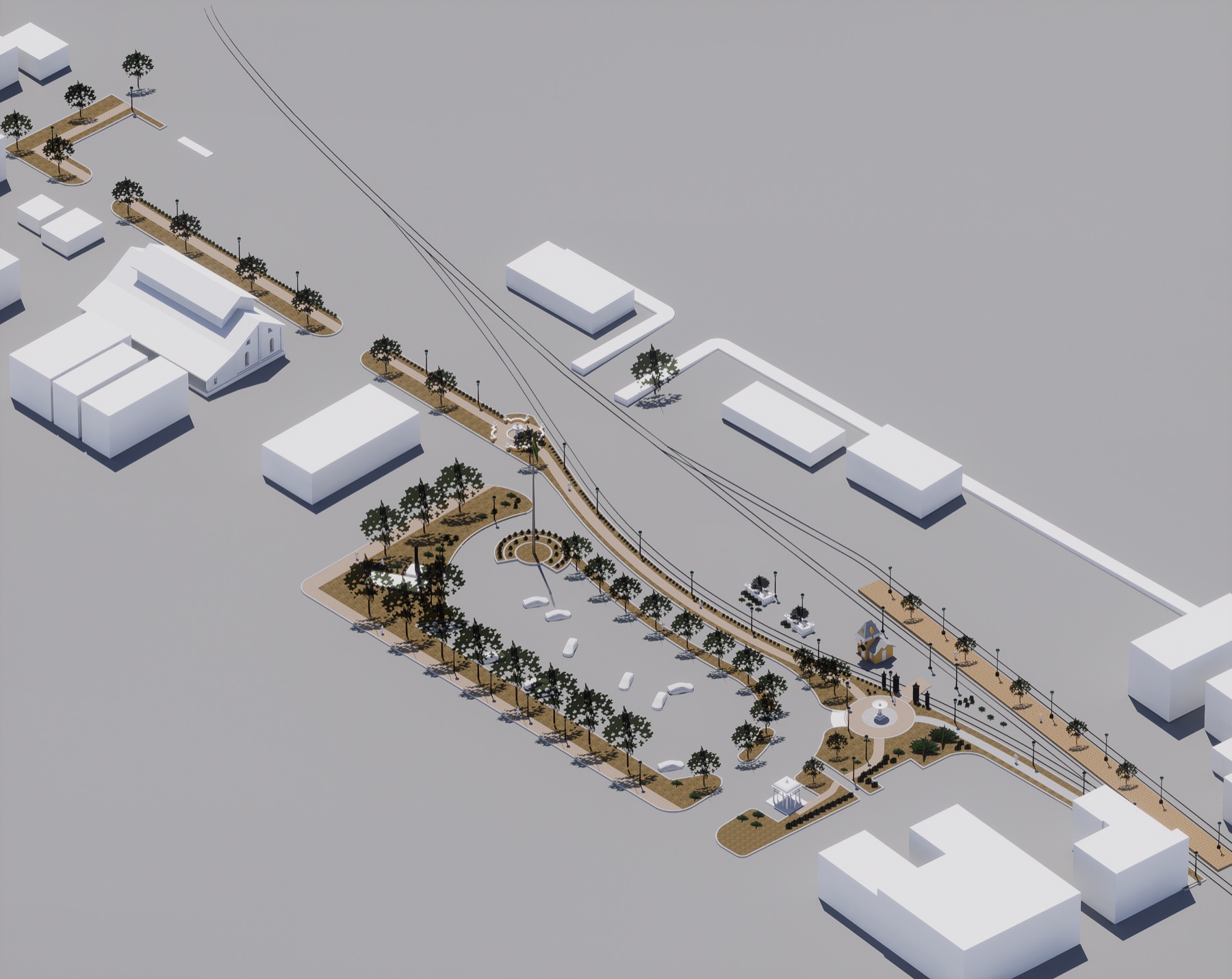
The Urban Scale section presents projects that examine design at the metropolitan level through both master planning and digital workflows.
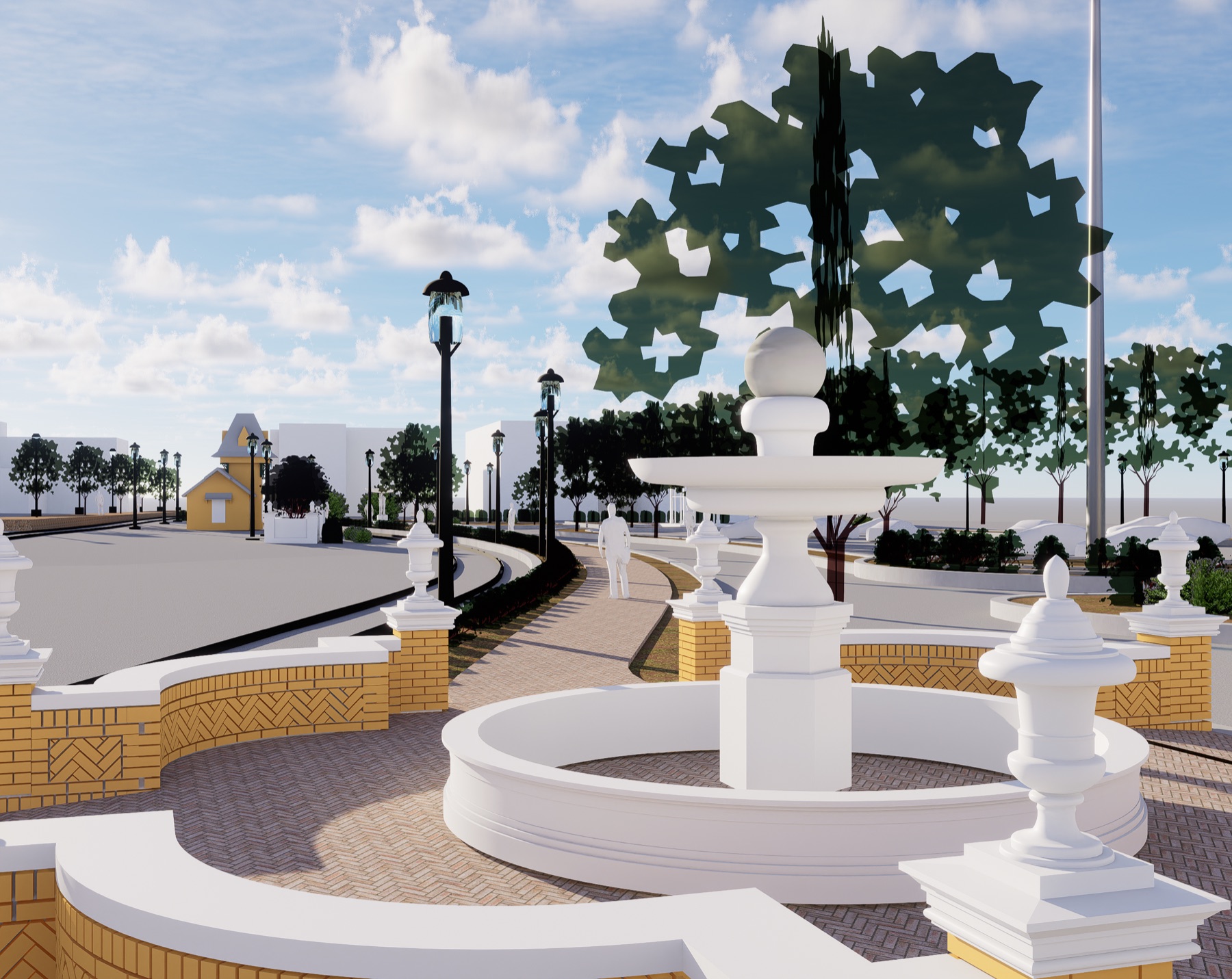
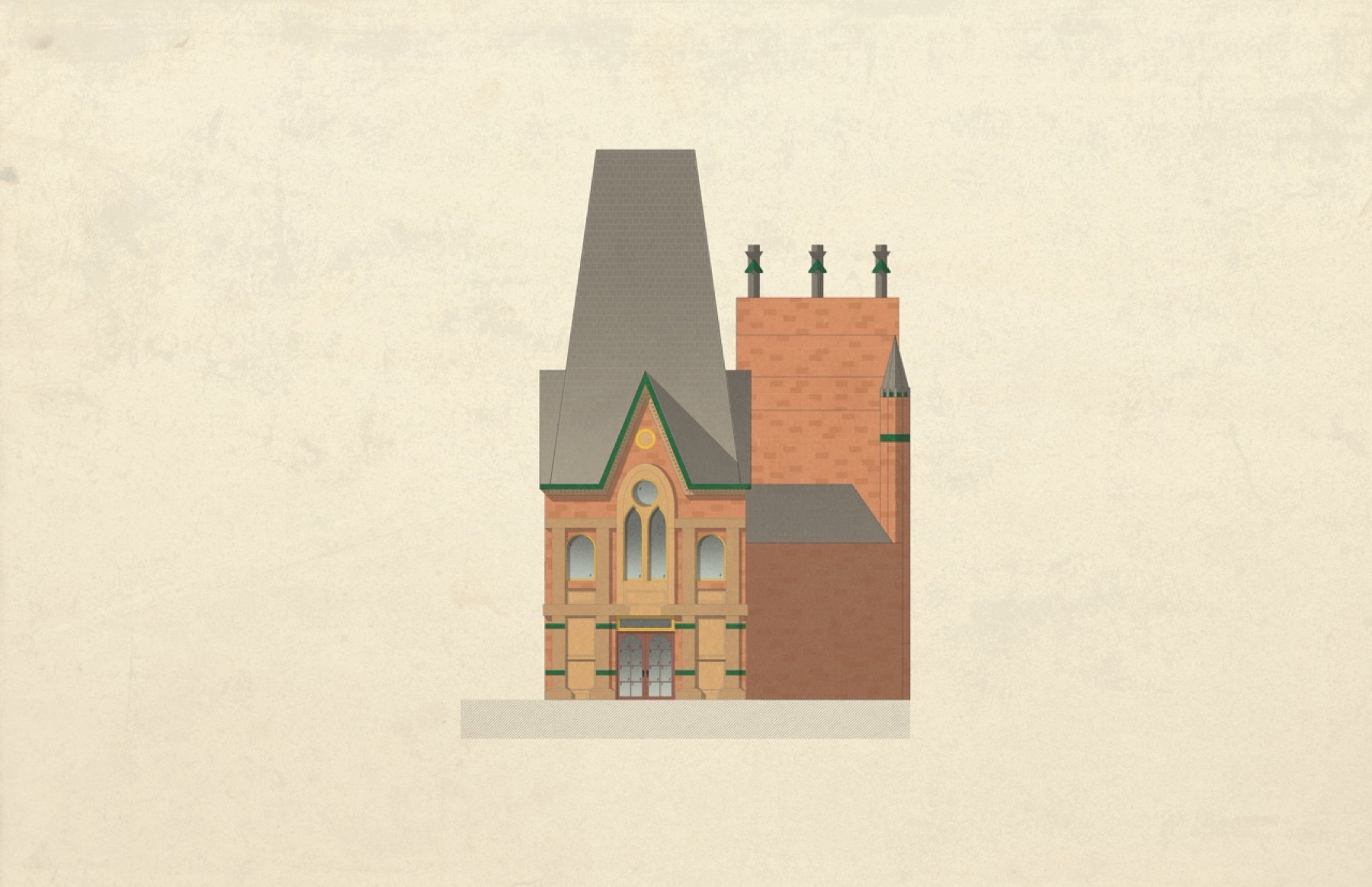
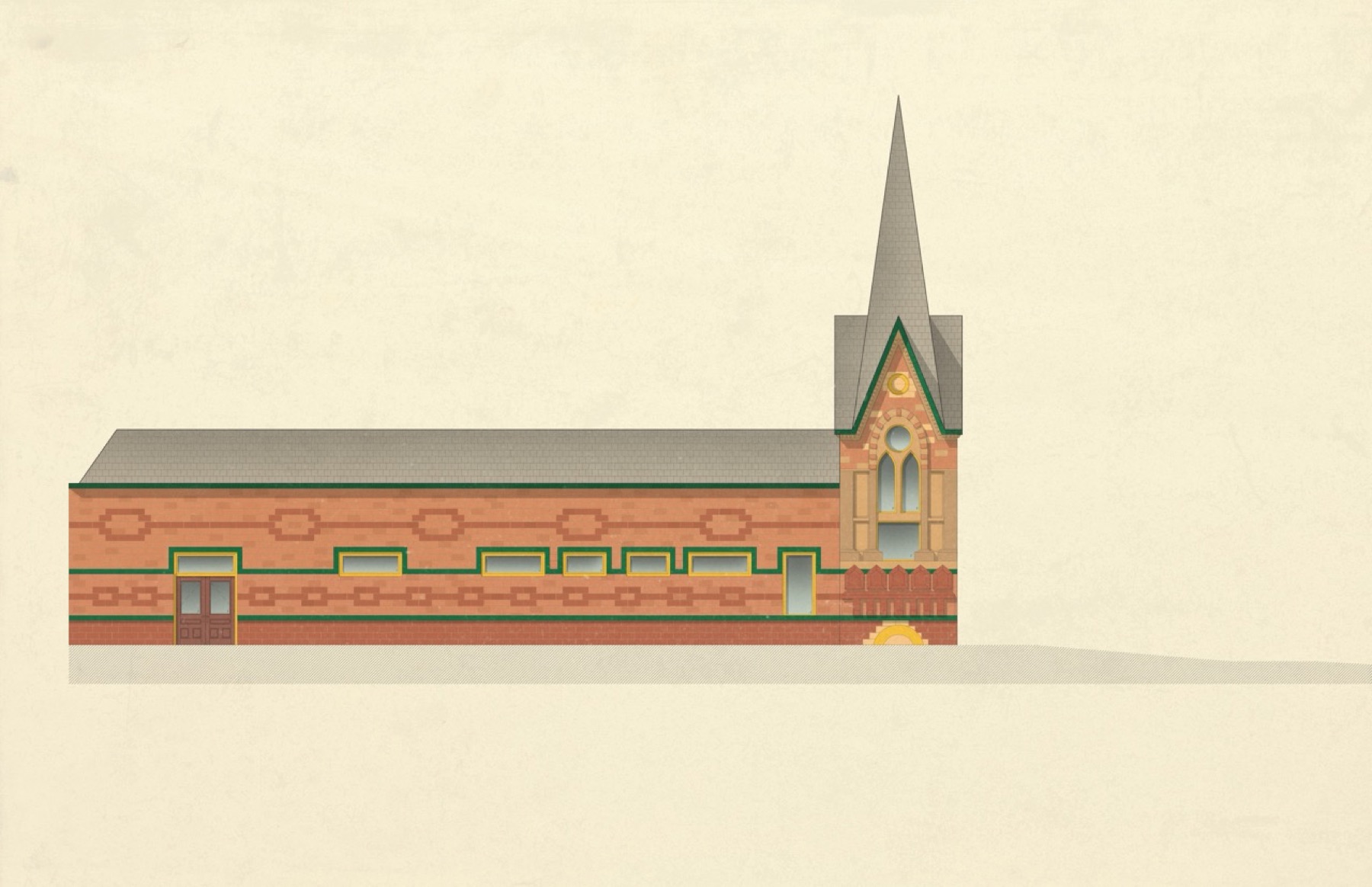
The first four images show a comprehensive master plan for Philadelphia, including the renovation of a central train station to enhance urban connectivity.
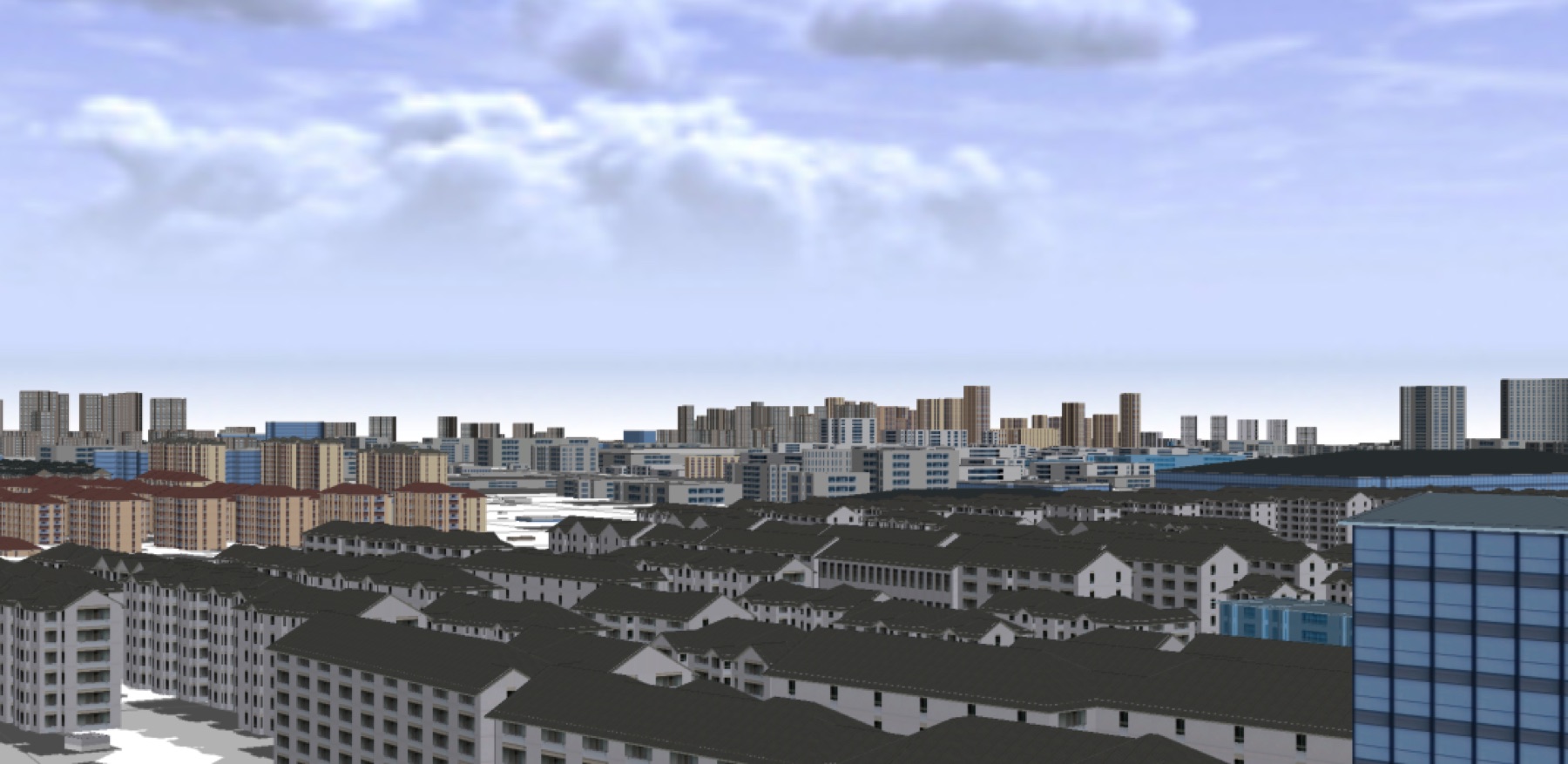
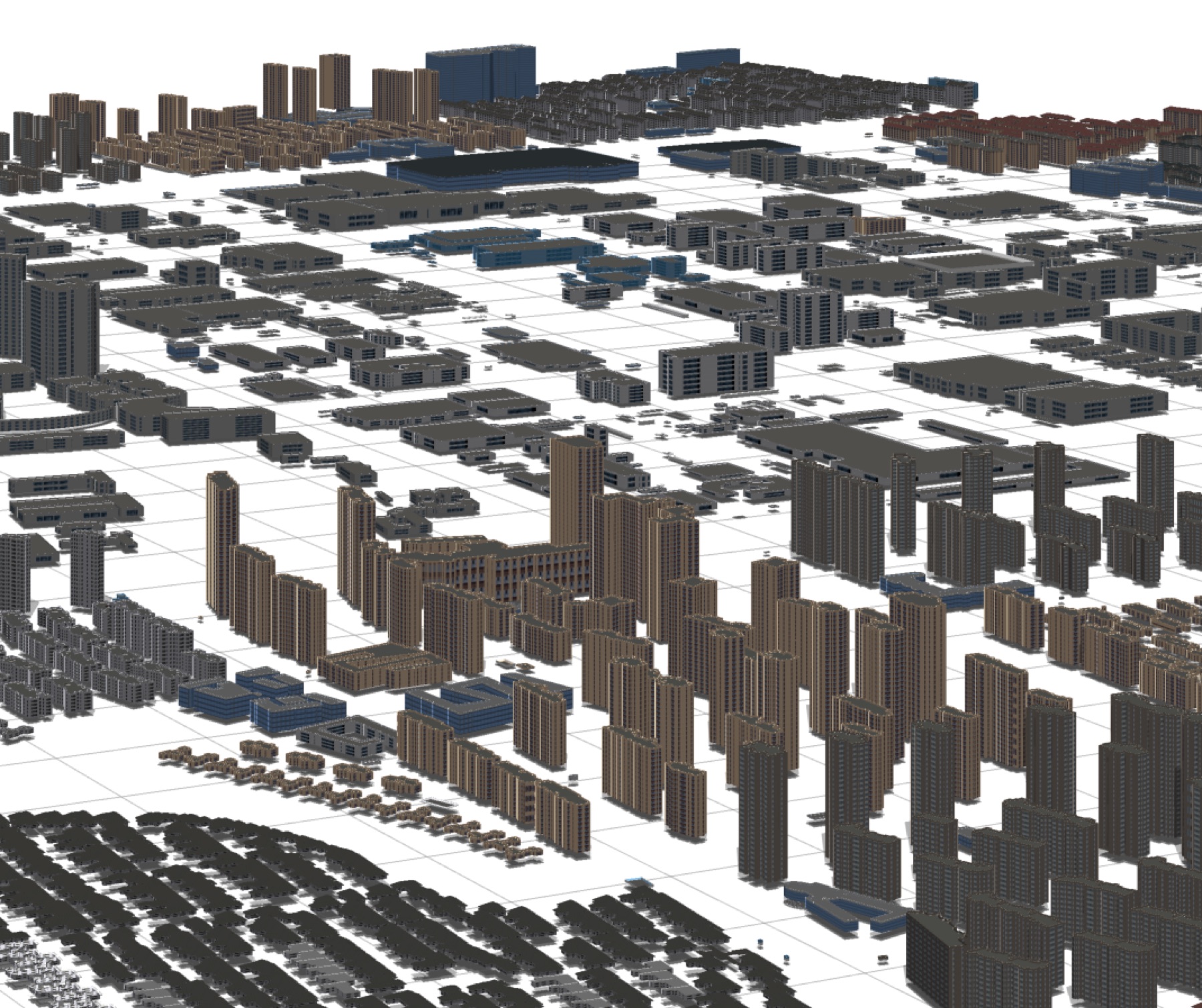
The last two images highlight research with ArcGIS CityEngine, where I contributed to developing a workflow for organizing and visualizing 3D city-scale data using the CGA programming language.
Together, these projects demonstrate an integrated approach to urban design, balancing large-scale planning with innovative computational methods.
Project notes
- Type: Urban Scale
- Scale: Metropolitan
- Focus: Sustainable Development
- Integration: Multi-modal Transportation
- pic 1-4 credit to Lea Architecture, pic 5-6 credit to Yuance Information Technology
Tools & methods
- Rhino & V-Ray, D5 Render
- ArcGIS CityEngine, CGA Shape Grammar
- Urban Analytics
- Transportation Planning
Mix-use
The mixed-use collection includes three projects, each exploring different scales and contexts of design.
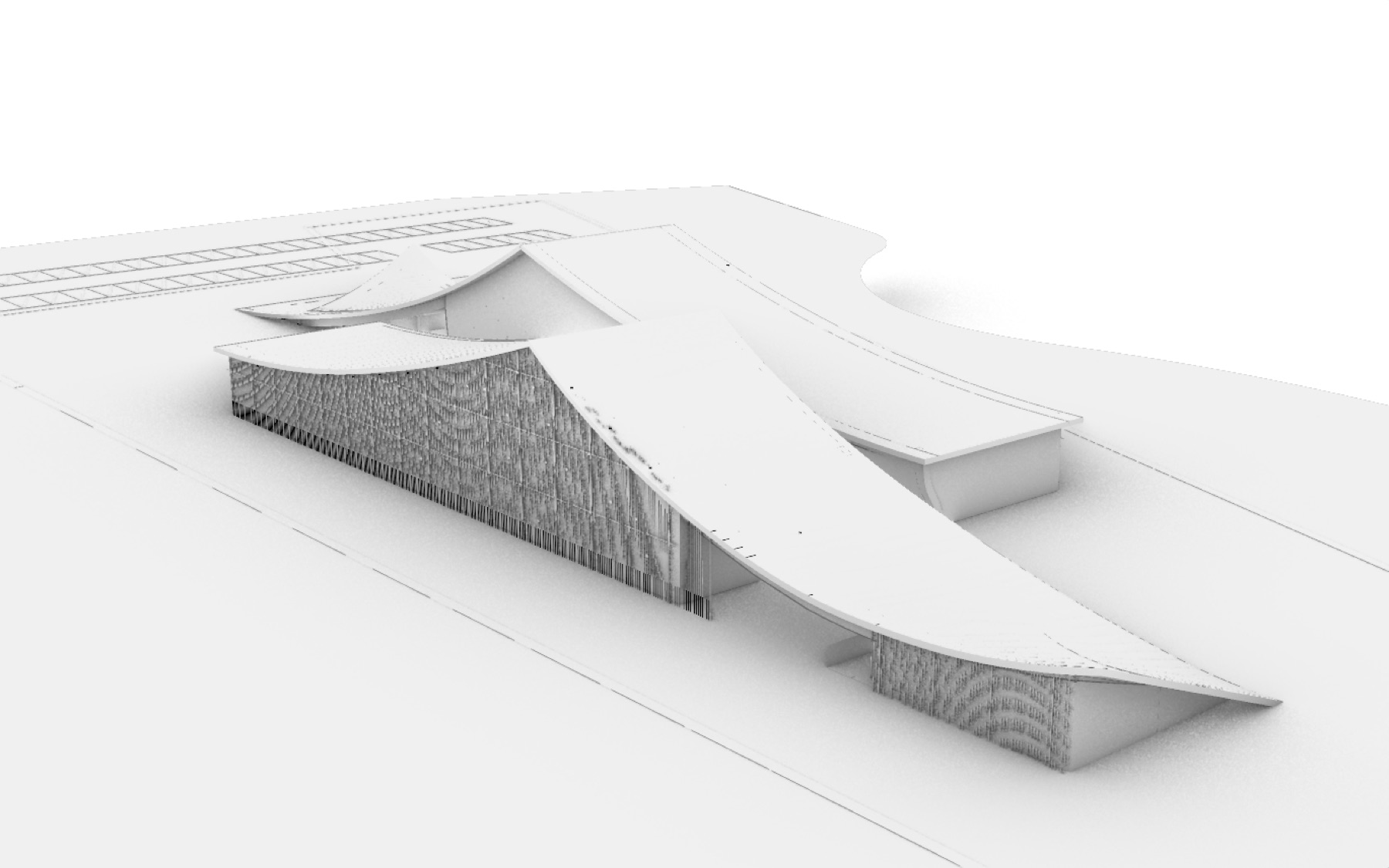
The first is a gallery project sited along the river, where the green roof doubles as an extension of the landscape, blending architecture with nature.
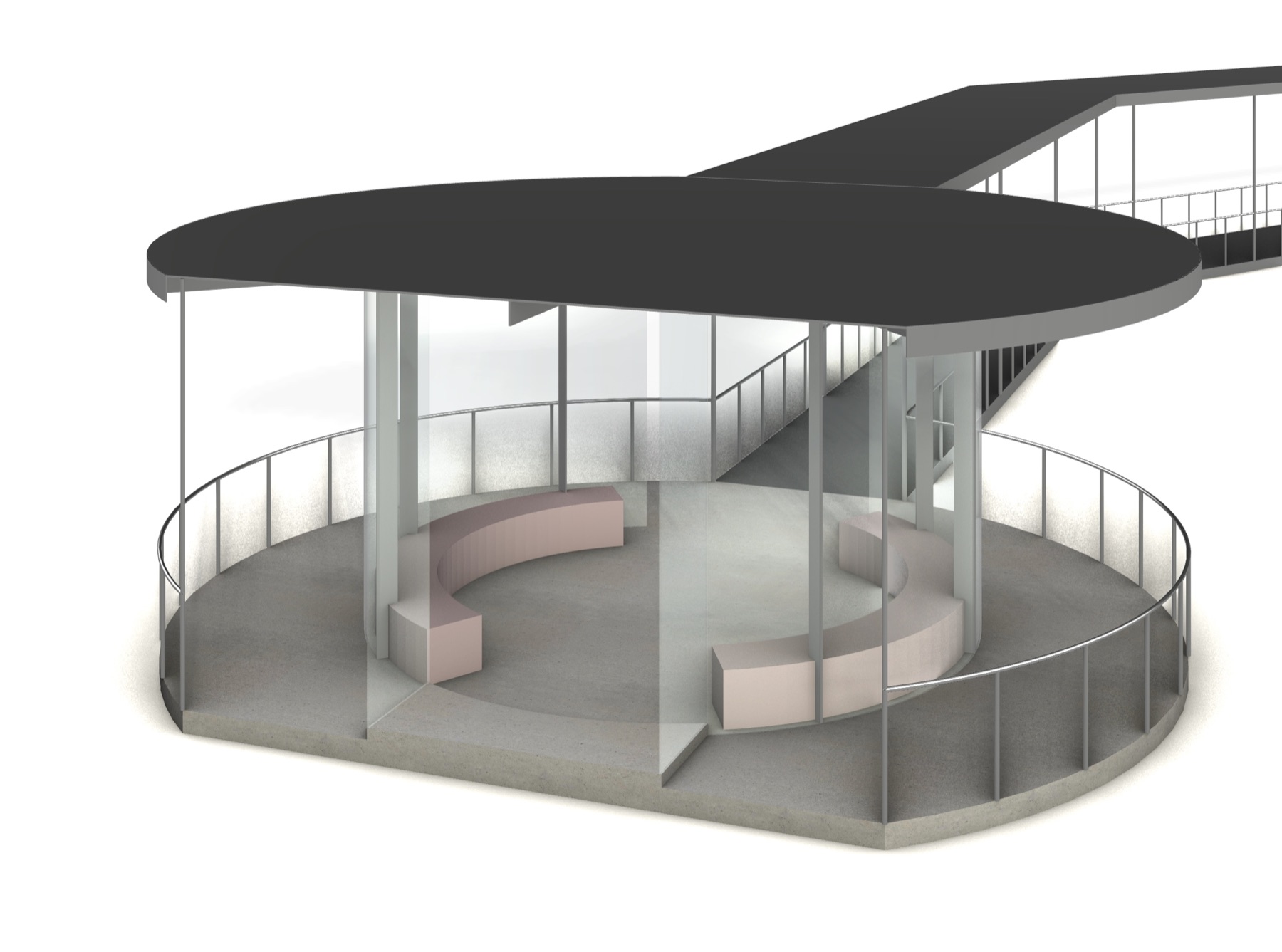
The second is a small pavilion integrated within a hotel development, serving as both a gathering node and an architectural accent within the larger plan.
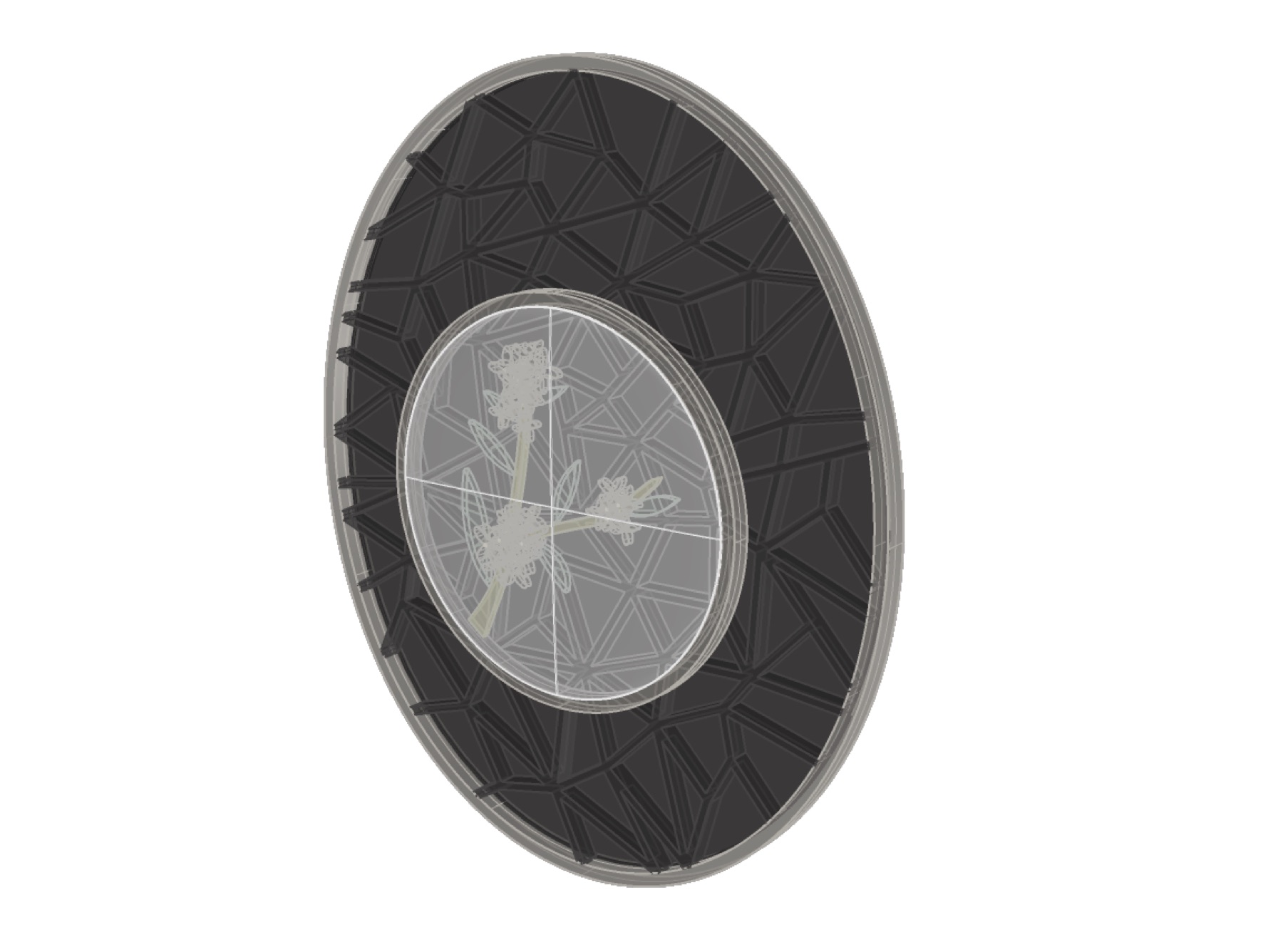
The third highlights a detailed eave design, incorporating traditional floral motifs and window patterns to connect contemporary form with cultural heritage.
Project notes
- Type: Mixed-use
- Credit to ARTS Group
Tools & methods
- Rhino & CAD
- Program Strategy
- Mixed-use Typologies
All Data Are Spatial
All Data Are Spatial explores how datasets that seem abstract or purely numerical can be reinterpreted through a geographic lens. The project begins from the premise that every dataset contains a spatial dimension, whether explicit, hidden, or implied—and seeks to uncover these connections by transforming public data into mappable forms. In doing so, it challenges conventional approaches to open data presentation and proposes new ways of perceiving relationships across scales and contexts.
Through computational workflows and interactive mapping, the project translates diverse datasets into geospatial formats, unifying them for greater accessibility and usability.
Project notes
- Type: Data Visualization
- Focus: Spatial Data Theory
- Innovation: Non-geographic Spatialization
- Application: Universal Data Understanding
Tools & methods
- Python Data Wrangling
- QGIS & GIS Analysis
- D3.js Visualization
- Open Data Pipelines
- Spatial Storytelling
Information is power.
Information is Power investigates how information asymmetry shapes housing accessibility. The project focuses on the housing search process, where unequal access to listings, pricing, and availability data determines who secures stable housing and who is excluded. By visualizing patterns in housing market dynamics, it reveals how hidden "information walls" reinforce inequality across urban life.
"Information is power. Access to information enhances one's power." — Jo Freeman. This project takes Freeman's words as a starting point, showing how the uneven distribution of information creates imbalance in opportunity.
Website: Project Page
Project notes
- Type: Housing Search Process
- Focus: Information Asymmetry
- Method: Data Analysis
- Impact: Housing Accessibility
Tools & methods
- Python & Pandas
- Housing Market Data Analysis
- Census & Open Data Integration
- Interactive Storytelling
- Data Ethics Research
City Glitch
City Glitch reimagines everyday urban passages through data driven analysis and simulation. Centered on Columbus Avenue between 97th and 100th Streets in Manhattan's Upper West Side, the project frames the street as a dynamic economy of opportunity where static infrastructure meets the fluid interactions of pedestrians, vehicles, cyclists, and vendors.
The project asks whether informal uses of space can reveal overlooked gaps or hidden potential in city design. By mapping entities and their attributes, simulating actions, and creating an interactive pipeline from data ingestion to web deployment, City Glitch visualizes how formal rules and informal activities converge to expose glitches and opportunities in urban space.
Project notes
- Type: Urban Design Project
- Focus: Urban Anomaly Detection
- Course: Professor William Martin, Spatial AI
- Collaborative project with Runqing Xi
Tools & methods
- Spatial AI
- Computer Vision
- Python & TensorFlow
- Urban Data Visualization
- Anomaly Detection